
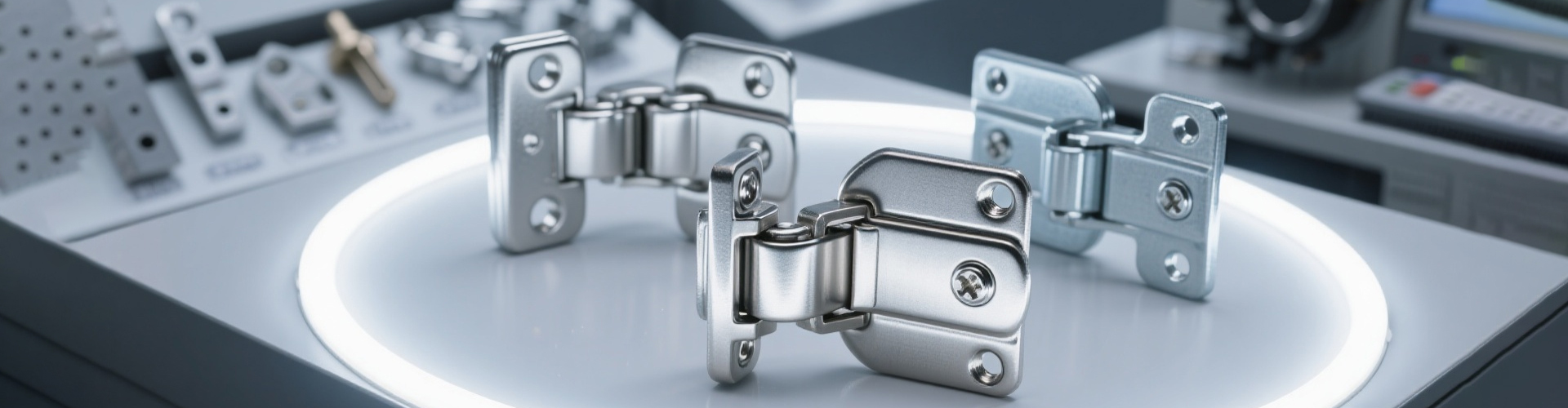
Sectional articulation fatigue management in garage door hinges and roller hinge assemblies
Reliable garage door hinges and roller hinge systems are essential for smooth sectional movement and long-term structural integrity in modern garage door designs. This article explores how these components address articulation-induced stress and fatigue, ensuring optimal performance for demanding door system applications.
Reliability of garage door hinges and roller hinges under sectional articulation stress
In the design of sectional garage doors, the articulation of panels during operation imposes complex mechanical demands on the hinge systems, particularly the garage door hinges and roller hinge assemblies. These components are critical to the controlled movement and alignment of door sections as they traverse the curved and horizontal tracks. For door system designers, the primary technical challenge centers on how these hinges manage stress concentration and fatigue over repeated cycles, directly impacting the reliability and longevity of the entire assembly. This article systematically examines the structural fatigue efficiency of garage door hinges and roller hinges, focusing on their role in dispersing articulation-induced stresses and mitigating fatigue failure risks in sectional door applications. Through a detailed engineering perspective, it addresses the core pain point of stress concentration at hinge points and evaluates practical hinge parameters for robust sectional movement.
The operational architecture of sectional garage doors relies on a series of interconnected panels, each joined by garage door hinges that facilitate controlled rotation and translation. The roller hinge, integrating both pivot and rolling functions, enables smooth transition of the panels along the track radius and straight segments. The geometry and material selection of these hinges are not arbitrary; rather, they are dictated by the need to distribute localized stresses that arise during panel articulation. Each hinge must accommodate both the bending moments generated as panels curve around the track and the shear forces transmitted from adjacent sections.
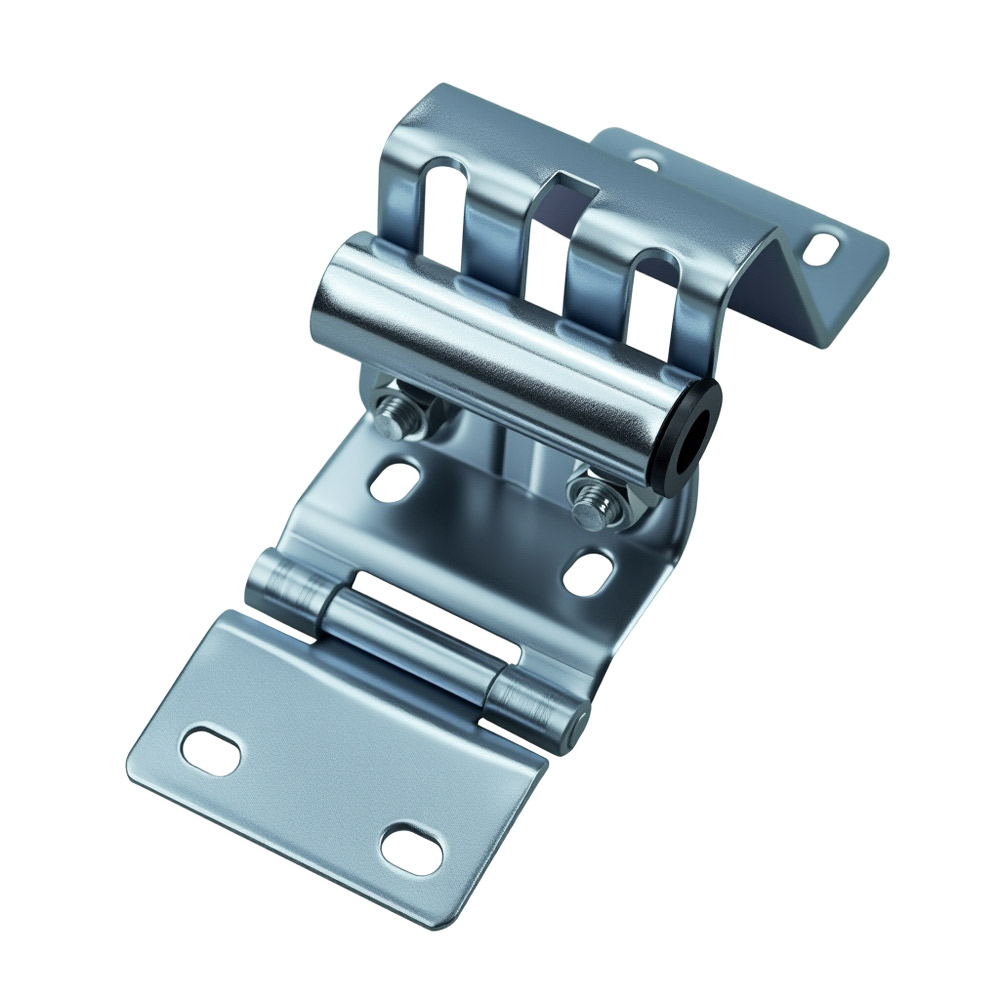
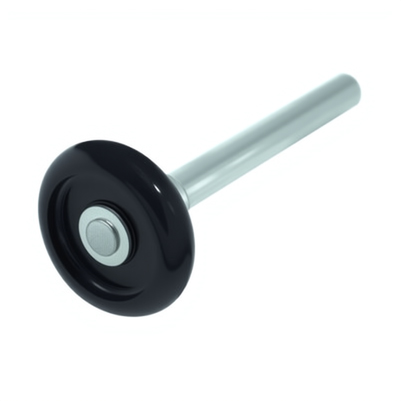
A typical sectional door employs multiple hinge types, often categorized by their mounting position (e.g., center, end, or intermediate) and their function (standard hinge versus roller hinge). The roller hinges, positioned at the panel ends, are subject to additional lateral and torsional loads as they guide the rollers within the track. The hinge leaf thickness, pin diameter, and bearing surface area must be engineered to minimize peak stresses at the knuckle and mounting interfaces. Material selection, often galvanized or stainless steel, is driven by the need for high yield strength, fatigue resistance, and corrosion protection, especially in environments subject to thermal cycling and moisture ingress.
The reliability of garage door hinges and roller hinges is fundamentally a function of their ability to disperse and withstand the cyclic stresses imposed by repeated door operation. The articulation of each panel introduces alternating tensile and compressive forces at the hinge knuckles, with the most severe stress concentrations typically occurring at the hinge-pin interface and the mounting fastener holes. Over time, these localized stresses can initiate microcracks, propagating under cyclic loading and eventually leading to fatigue failure.
To address these risks, hinge design must incorporate features that enhance stress dispersion. For example, increasing the hinge leaf width and optimizing the knuckle profile can distribute bending loads over a larger area, reducing the intensity of stress risers. The use of bushings or bearings within the hinge pin assembly also serves to lower friction and minimize wear, further improving fatigue life. In roller hinges, the integration of precision-machined roller pins and hardened bearing surfaces is essential to accommodate the combined rolling and pivoting actions without excessive deformation.
Engineers must also account for the cumulative effect of door weight, panel width, and frequency of operation when specifying hinge parameters. Heavier doors and wider panels generate greater bending moments at the hinge locations, necessitating the use of higher-grade materials and increased cross-sectional dimensions. In high-cycle applications, such as commercial or industrial doors, the selection of roller hinges with enhanced fatigue performance becomes critical to avoid premature hinge failure and subsequent misalignment or jamming of the door system.
The evaluation of hinge reliability extends beyond static load capacity to include dynamic fatigue testing and finite element analysis (FEA) of stress concentrations. Laboratory fatigue tests subject hinges to repeated articulation cycles under controlled loads, simulating years of service in a compressed timeframe. These tests reveal the locations and modes of failure, typically at the hinge knuckle or pin, and inform design improvements such as increased fillet radii or the use of shot peening to enhance surface hardness and crack resistance.
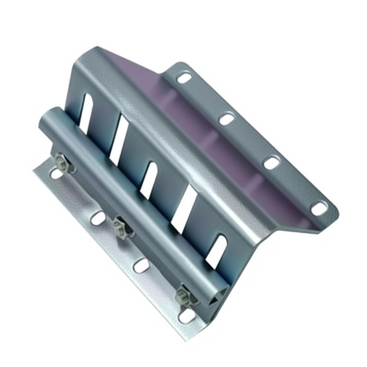
FEA modeling provides a detailed map of stress distribution across the hinge and roller hinge components during articulation. By simulating the door’s movement through its full range of motion, engineers can identify critical stress points and optimize hinge geometry accordingly. For example, areas of high stress concentration at the knuckle root can be alleviated by modifying the transition radius or increasing the local material thickness. Similarly, the alignment of the hinge axis with the panel’s center of rotation is crucial to minimize eccentric loading and uneven wear.
In field applications, hinge performance is also influenced by installation accuracy and maintenance practices. Improperly aligned hinges or over-torqued fasteners can introduce additional stress concentrations, accelerating fatigue failure. Regular inspection for signs of wear, deformation, or corrosion is essential to maintain system reliability. Lubrication of hinge pins and roller bearings reduces frictional heating and wear, further extending service life.
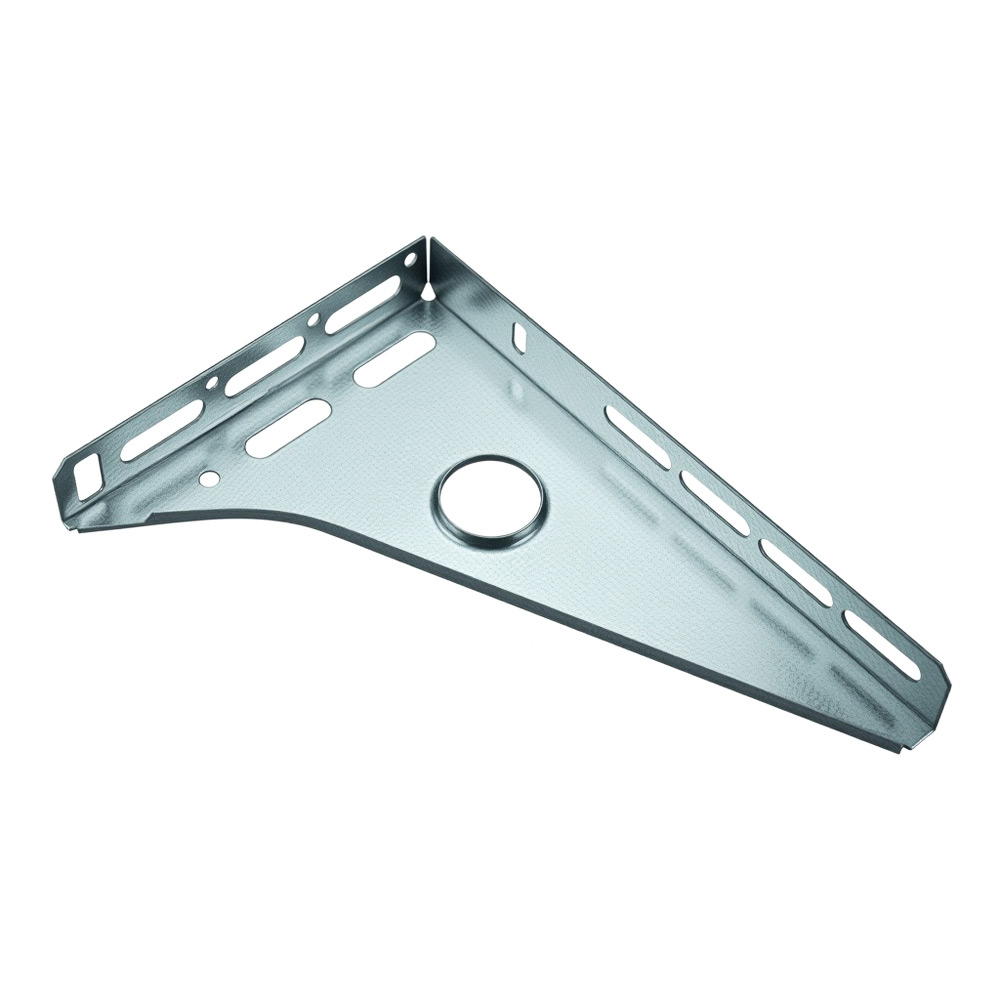
To quantify the structural fatigue efficiency of garage door hinges and roller hinges, engineers employ metrics such as the fatigue strength coefficient, endurance limit, and cycles to failure under representative loading conditions. These parameters are compared against the expected operational profile of the door system to ensure an adequate safety margin. For critical installations, hinge assemblies may be specified with redundant load paths or increased safety factors to account for unforeseen loading scenarios.
The articulation-induced stresses in sectional garage doors are not uniformly distributed; instead, they concentrate at discrete hinge points, particularly where the roller hinge interfaces with the track. This non-uniform stress distribution requires a holistic approach to hinge design, considering not only the mechanical properties of the hinge materials but also the interaction with adjacent structural elements, such as the panel reinforcements and track supports. The integration of hinge and roller assemblies must be engineered to provide smooth, synchronized movement while minimizing the risk of localized overstress and subsequent fatigue damage.
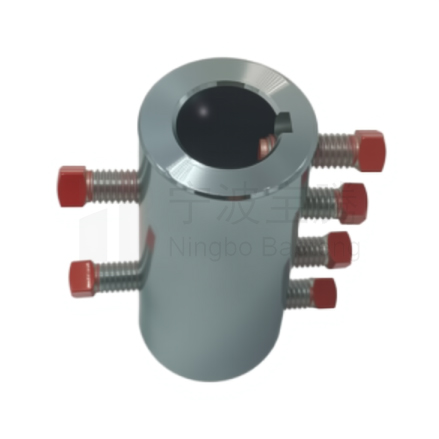
For door system designers, the core pain point remains the mitigation of stress concentration and fatigue failure at the hinge locations. This challenge is addressed through a combination of robust mechanical design, material optimization, and rigorous testing. The selection of hinge type, material grade, and dimensional parameters must be tailored to the specific operational demands of the door system, with particular attention to the articulation profile and expected duty cycle.
In practice, the verification of hinge reliability requires a systematic engineering review, encompassing both analytical modeling and empirical validation. Door system designers are advised to:
- Conduct finite element analysis of hinge and roller hinge assemblies under representative loading and articulation scenarios to identify and mitigate stress concentrations.
- Specify hinge materials with proven fatigue resistance and corrosion protection, appropriate for the environmental conditions and operational frequency.
- Select hinge geometries that maximize load dispersion, minimize eccentric loading, and accommodate the full range of panel articulation without binding or excessive play.
- Implement regular maintenance protocols, including inspection, lubrication, and timely replacement of worn components, to sustain hinge performance over the door’s service life.
- Validate hinge parameters through laboratory fatigue testing, ensuring that the selected components meet or exceed the required cycles to failure for the intended application.
Engineering best practices for garage door hinge fatigue management
By adhering to these engineering-grade safety checks and design principles, door system designers can effectively manage the articulation stresses inherent in sectional garage door operation, ensuring reliable performance and minimizing the risk of fatigue-induced hinge failure. The ongoing evaluation of hinge assemblies, both in simulation and in service, is essential to maintaining structural fatigue efficiency and extending the operational lifespan of sectional door systems.
For additional technical documentation and installation guidance on garage door hinges, refer to the 기술 문서 or explore 설치 튜토리얼 provided by Baoteng. For further support or to request engineering assistance, visit the 문의하기 page.
 English
  Русский
  日本語
日本語  한국어
한국어  Français
  Deutsch
  العربية
  Português
  Español