
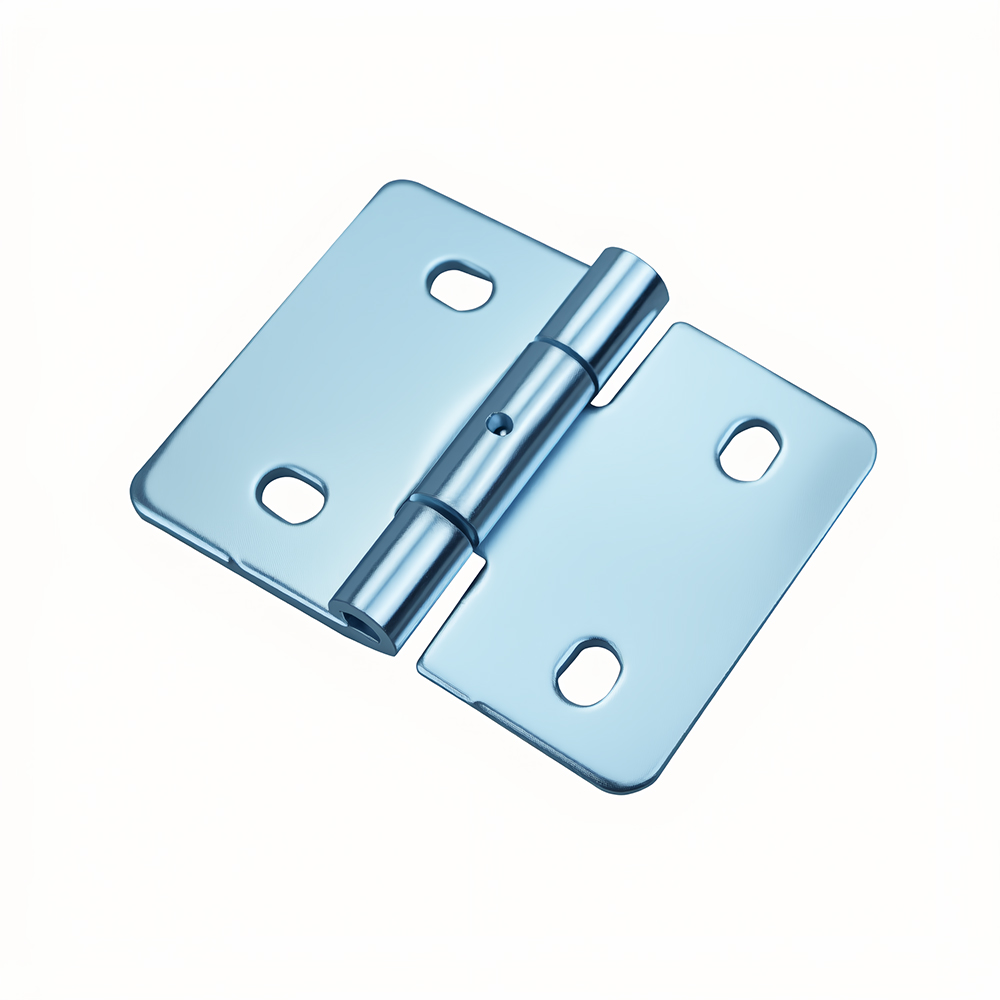
Sectional-Hinge Stress Analysis for Garage Door Roller Hinge and Heavy Duty Steel Hinge
In modern sectional garage doors, the garage door roller hinge and heavy duty steel hinge are essential for reliable articulation and long-term durability. This technical overview explores how these components manage articulation fatigue and stress concentration, providing actionable insights for door system designers seeking robust solutions.
By understanding the mechanics and fatigue efficiency of garage door roller hinge and heavy duty steel hinge assemblies, engineers can optimize both performance and reliability in demanding environments.
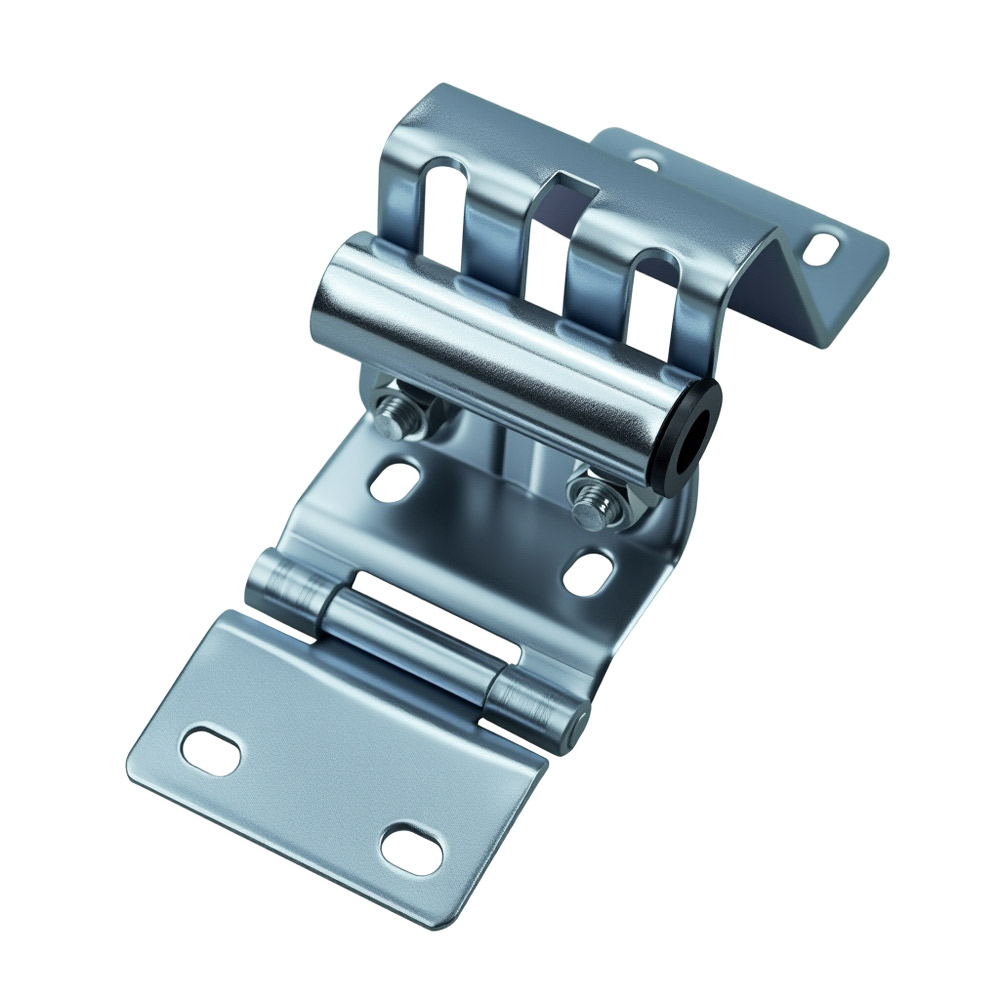
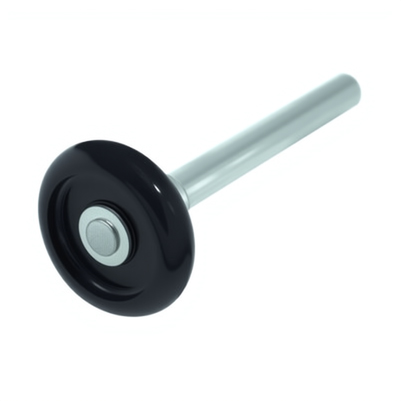
The garage door roller hinge and heavy duty steel hinge function as the primary articulation points in sectional door assemblies. Their design must accommodate both the vertical and horizontal loads imposed during door cycling, while also managing the dynamic forces generated as the sectional panels traverse curved tracks. The roller hinge integrates a cylindrical roller, typically fabricated from high-strength nylon or steel, which interfaces with the door track. The hinge body, constructed from heavy duty steel, is engineered to withstand the combined effects of bending, shear, and torsional loads transmitted through the door sections.
The articulation mechanism of the hinge is defined by its knuckle geometry, pin diameter, and the thickness of the hinge leaf. In heavy duty applications, the hinge leaf is typically stamped from 2.5–3.0 mm thick cold-rolled steel, with reinforcing ribs incorporated to increase moment of inertia and reduce localized deformation. The pin is precision-ground and heat-treated to resist wear, while the knuckle is dimensioned to minimize play and ensure consistent pivoting action under repeated cycling. The roller is retained within the hinge by a swaged or staked end, preventing axial displacement during operation.
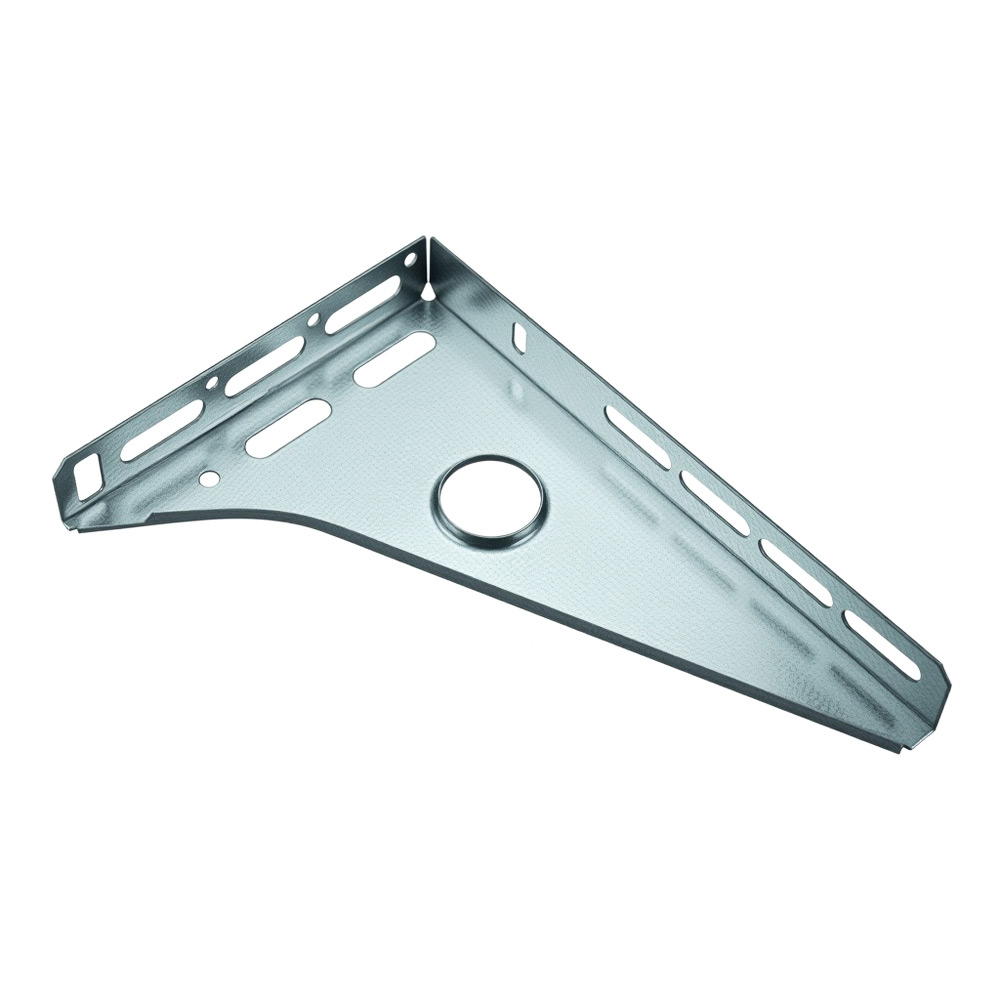
Sectional movement imposes complex loading on the hinge assembly, particularly at the interface between adjacent panels. As the door transitions from the vertical to the horizontal plane, the hinges must accommodate both rotational and translational motion, resulting in multi-axial stress states. The heavy duty steel hinge is designed to distribute these stresses over a broad contact area, reducing the risk of stress risers and subsequent fatigue failure. The interface between the hinge leaf and the door panel is typically fastened with self-tapping screws or rivets, with the fastener pattern optimized to disperse load and prevent local panel deformation.
Reliability in garage door roller hinge and heavy duty steel hinge assemblies is primarily determined by their ability to resist fatigue failure under cyclic loading. For industrial and high-cycle residential doors, hinges may be subjected to tens of thousands of cycles annually, with each cycle imparting alternating stresses that can initiate microcracks in regions of high stress concentration. The core pain point for designers is the management of these stress concentrations, which are typically located at the knuckle fillet, pin interface, and fastener holes.
Material selection is critical for fatigue resistance. Heavy duty steel hinges are commonly produced from low-carbon or medium-carbon steels with yield strengths exceeding 300 MPa. Surface treatments such as zinc plating or powder coating are applied to mitigate corrosion, which can exacerbate crack initiation. The hinge pin, being a critical wear component, is often manufactured from case-hardened steel to provide a hard, wear-resistant surface while maintaining core ductility.
The hinge geometry is optimized to distribute stress as evenly as possible. Fillet radii at the knuckle are maximized within design constraints to reduce local stress intensification. The use of reinforcing ribs or gussets on the hinge leaf further increases the section modulus, enhancing resistance to bending and shear. In roller hinges, the roller diameter and bearing surface area are selected to minimize contact stress and reduce the risk of brinelling or surface fatigue.
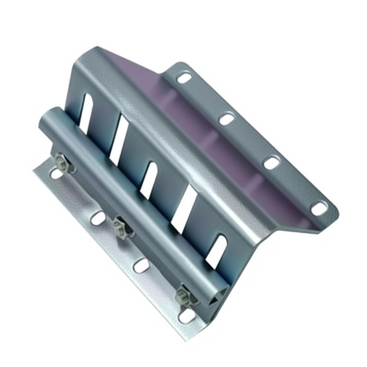
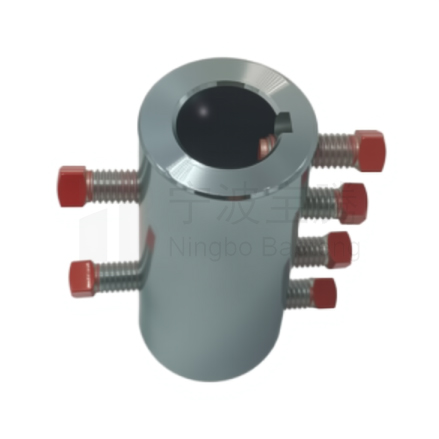
Evaluation of hinge performance under sectional articulation stress involves both analytical modeling and empirical testing. Finite element analysis (FEA) is employed to predict the distribution of stresses under representative loading conditions, identifying potential failure points and quantifying the fatigue life of the assembly. In typical FEA models, the hinge is subjected to a combination of bending moment (from door weight and wind load), shear force (from door motion), and torsional load (from misalignment or track irregularities).
Empirical testing protocols for heavy duty steel hinges include accelerated life cycling, in which the hinge assembly is subjected to repeated opening and closing cycles under controlled loads. Failure modes are documented, with particular attention paid to crack initiation at the knuckle, pin wear, and fastener pull-out. Metallographic analysis of failed components reveals the presence of fatigue striations, corrosion pitting, or wear-induced microstructural changes, providing insight into the dominant degradation mechanisms.
The efficiency of stress dispersion is a key metric in evaluating hinge reliability. Hinges with optimized geometry and material selection demonstrate lower peak stress values and longer fatigue lives. For example, increasing the fillet radius at the knuckle by 20% can reduce the local stress concentration factor by up to 15%, significantly extending the hinge’s service life. Similarly, the use of higher-grade steel or advanced surface treatments can delay crack initiation and propagation, further enhancing reliability.
In practice, the articulation of sectional doors generates non-uniform loading across the hinge array. Hinges located near the bottom of the door experience higher loads due to the cumulative weight of the panels above, while those near the top are subjected to greater dynamic forces during acceleration and deceleration. Door system designers must account for these variations by specifying heavier gauge hinges or additional reinforcement at critical locations.
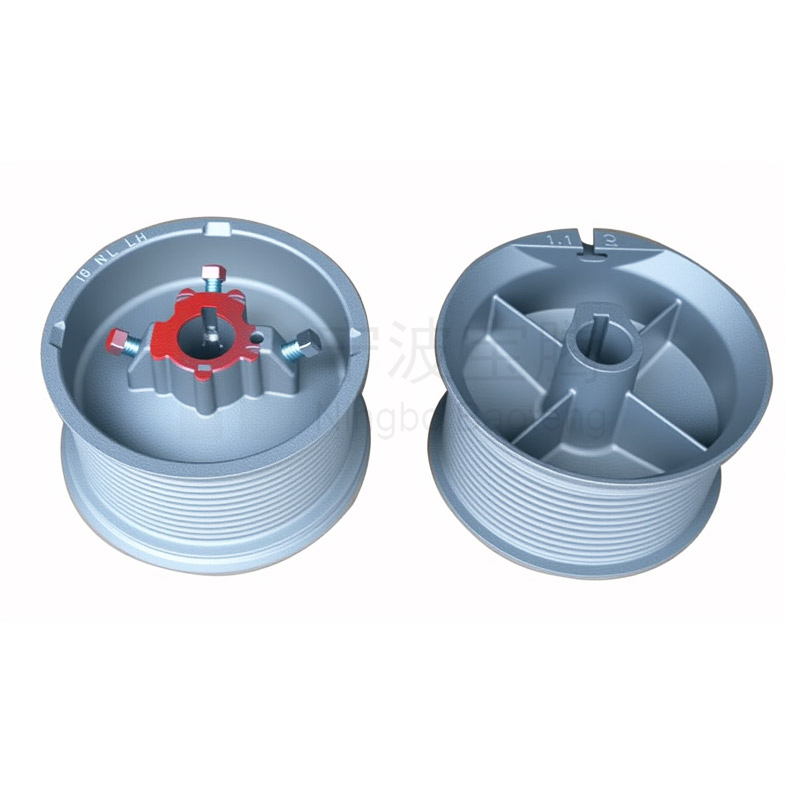
Fastener integrity is another determinant of hinge performance. Over-tightening can induce local yielding or thread stripping, while under-tightening may allow micro-movement and fretting fatigue. The fastener pattern and torque specifications should be validated through mechanical testing to ensure consistent load transfer and minimize the risk of localized failure.
Environmental factors also influence hinge fatigue life. Exposure to moisture, salt, and temperature fluctuations can accelerate corrosion, particularly at crevice locations such as the knuckle and fastener holes. Protective coatings must be selected based on the anticipated service environment, with periodic inspection and maintenance schedules established to detect early signs of degradation.
To ensure structural fatigue efficiency and mitigate the core pain point of stress concentration, door system designers should implement a multi-faceted engineering validation approach. This includes:
- Finite element modeling of hinge assemblies under realistic sectional articulation loads to predict stress distribution and identify critical regions.
- Material selection protocols emphasizing high-yield-strength steel and advanced surface treatments for corrosion and wear resistance.
- Empirical fatigue testing to establish baseline service life and document failure modes under accelerated cycling.
- Optimization of hinge geometry, including knuckle fillet radii and reinforcing features, to maximize stress dispersion.
- Verification of fastener patterns and installation torque to ensure robust load transfer and minimize local stress risers.
- Environmental durability assessments to validate coating performance and establish maintenance requirements.
By rigorously applying these engineering principles, door system designers can enhance the reliability and operational lifespan of garage door roller hinge and heavy duty steel hinge assemblies, particularly in high-cycle or demanding industrial applications. The focus on structural fatigue efficiency and stress dispersion directly addresses the persistent challenge of stress concentration and fatigue failure, enabling the development of sectional door systems with superior durability and articulation performance.
For technical verification, all hinge parameters—including material grade, geometric dimensions, fastener specifications, and surface treatments—should be cross-referenced with engineering-grade safety standards such as ANSI/DASMA 102 or EN 13241. In addition, periodic field audits and failure analysis should be incorporated into the product lifecycle to ensure that real-world performance aligns with analytical predictions. Only through such comprehensive engineering validation can the long-term reliability of garage door roller hinge and heavy duty steel hinge systems be assured in sectional door applications.
Engineering validation for garage door roller hinge and heavy duty steel hinge reliability
For further technical documentation, installation guidelines, and fatigue testing resources related to garage door roller hinge and heavy duty steel hinge assemblies, refer to the Baoteng technical documentation center. For assistance with product selection or engineering support, visit the Baoteng contact page or request a 무료 샘플 for evaluation.
 English
  Русский
  日本語
日本語  한국어
한국어  Français
  Deutsch
  العربية
  Português
  Español