
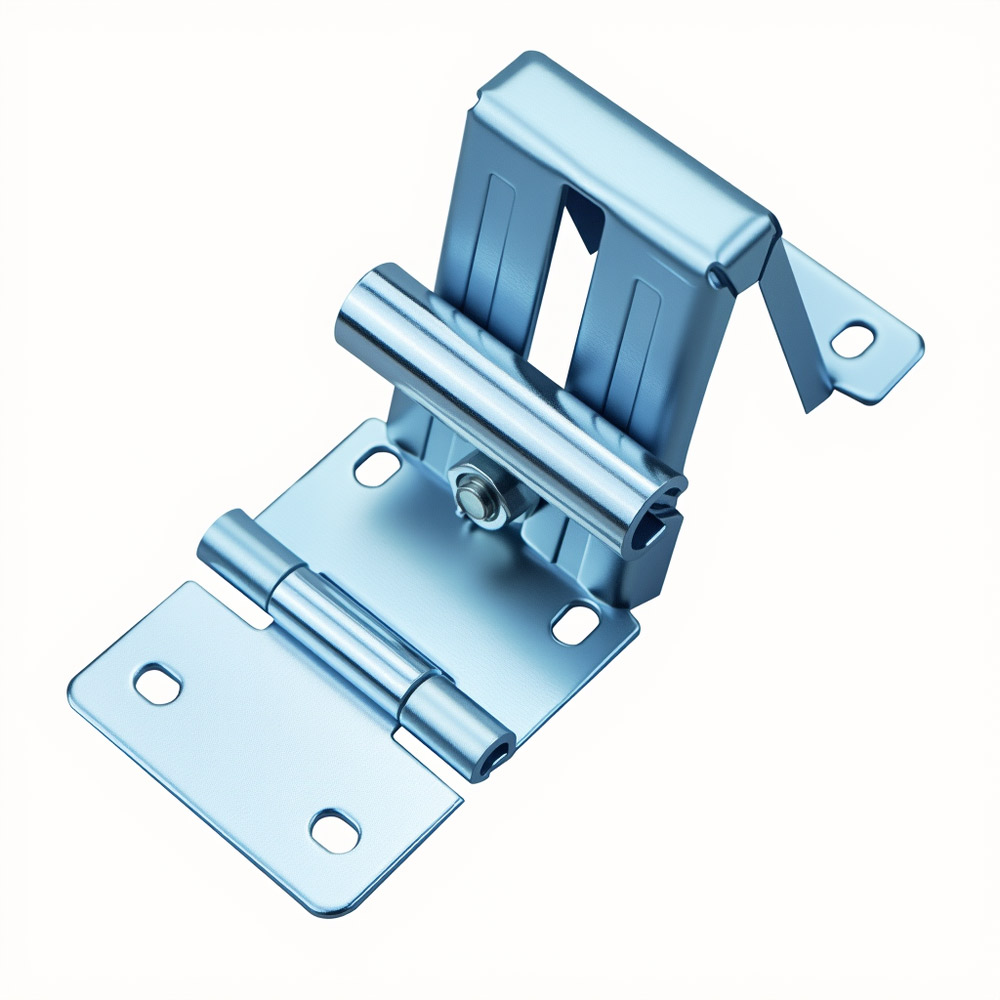
Sectional-Hinge Stress Analysis for Reliable Side Hinge and Edge Hinges Performance
Ensuring the mechanical reliability of Side Hinge and Edge Hinges is crucial for long-term articulation and fatigue resistance in modern sectional door systems. By understanding how these components manage stress concentration and distribute loads, designers can optimize both operational safety and durability.
Reliability of Side Hinge and Edge Hinges under Cyclic Articulation
In the design and engineering of sectional door systems, the choice and configuration of Side Hinge and Edge Hinges are central to ensuring reliable articulation and long-term durability. These hinges are subjected to repeated cycles of movement, bearing both the static and dynamic loads that arise as door panels articulate along their guided tracks. For door system designers, the primary technical challenge lies in managing stress concentration and mitigating articulation fatigue, which can compromise both operational reliability and safety. This article provides a detailed mechanical evaluation of Side Hinge and Edge Hinges, focusing on their role in distributing sectional articulation stresses and their resistance to fatigue under real-world loading conditions. The analysis is structured to address hinge architecture, reliability under cyclic loading, comparative evaluation, and technical verification steps for engineering-grade safety.
The architecture of Side Hinge and Edge Hinges in sectional doors is dictated by the need to accommodate rotational movement between adjacent panels while maintaining alignment and structural integrity. Side Hinges are typically mounted along the vertical edges of each panel, connecting one section to the next and providing the primary pivot axis for articulation. Edge Hinges, often referred to as intermediate or center hinges, are positioned at the horizontal junctions, further stabilizing the panel interface and distributing loads across the door width.
Material selection is a critical aspect of hinge architecture. Most Side Hinges and Edge Hinges are fabricated from cold-rolled steel or stainless steel, with thicknesses ranging from 2.0 mm to 3.5 mm depending on door weight and expected duty cycles. High-cycle applications may require heat-treated or case-hardened finishes to enhance surface wear resistance and delay crack initiation. The geometry of the hinge leaf, knuckle diameter, and pin design directly influence the hinge’s ability to resist deformation and maintain alignment under repeated articulation.
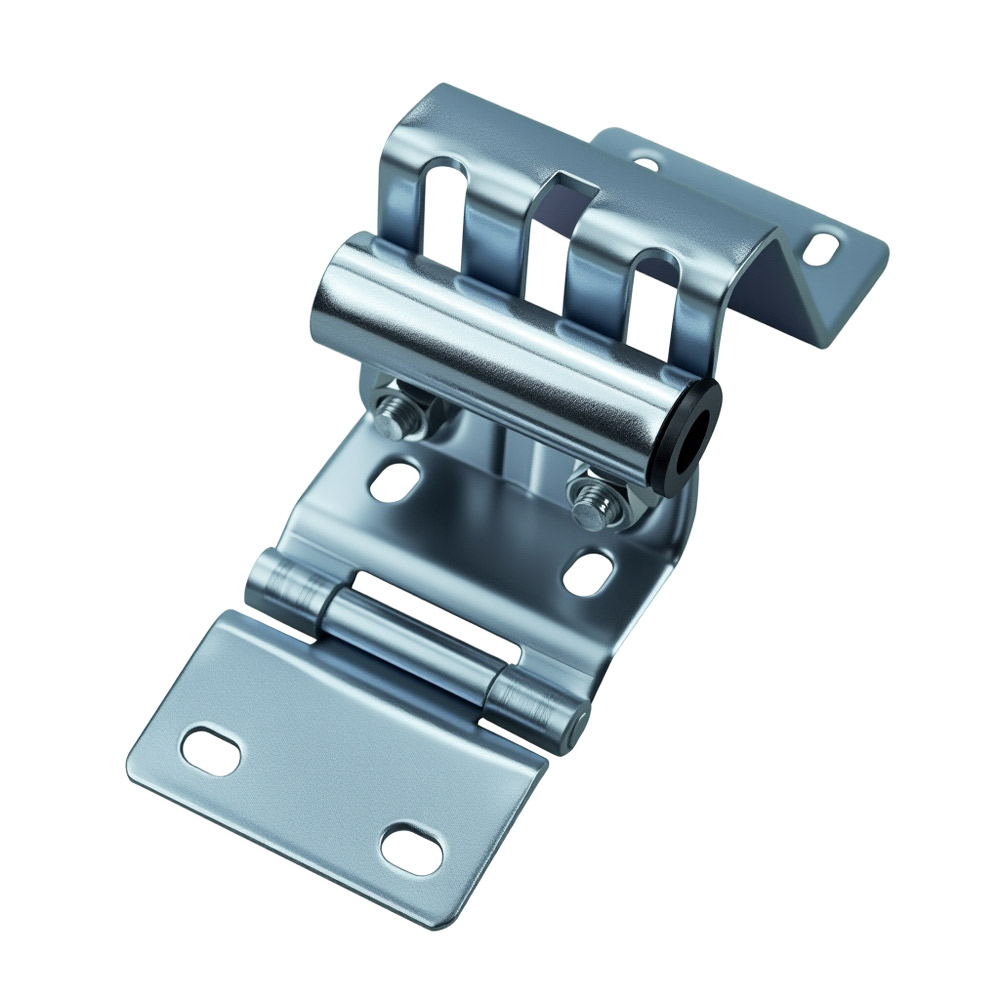
The mechanical interface between hinge components is another point of stress concentration. The pin-bushing interface in the knuckle is subject to both rotational and shear loads, especially during initial panel movement and at the extremes of the door travel. For doors with high operational frequency, the selection of self-lubricating bushings or hardened steel pins can significantly reduce frictional wear and extend service life. The mounting fasteners, typically M6 or M8 carriage bolts, must be torqued to manufacturer specifications to prevent loosening under vibration and cyclic loading.
In terms of installation, the alignment of Side Hinge and Edge Hinges is paramount. Misalignment can introduce secondary bending stresses, leading to premature fatigue failure at the hinge leaf or mounting interface. Door system designers must specify precise mounting tolerances, often within ±0.5 mm, to ensure that the hinge axis is collinear with the intended articulation path. Any deviation from these tolerances can amplify stress concentrations at the hinge knuckle and reduce the effective fatigue life of the assembly.
Reliability of Side Hinge and Edge Hinges under cyclic articulation is governed by their ability to disperse mechanical stresses and resist cumulative damage. During each opening and closing cycle, hinges are exposed to a combination of bending, shear, and torsional loads. The highest stress concentrations typically occur at the transition between the hinge leaf and knuckle, where geometric discontinuities can serve as initiation sites for fatigue cracks.
Finite element analysis (FEA) is commonly employed to model the stress distribution in hinge assemblies. Results indicate that the maximum von Mises stresses are often localized at the inner radius of the knuckle and at the fastener holes. To mitigate these concentrations, hinge designs may incorporate generous fillet radii and countersunk fastener holes to smooth stress trajectories. For high-cycle environments, such as commercial or industrial doors, designers may specify hinges with increased cross-sectional area at critical locations or employ dual-leaf configurations to share the load.
Fatigue resistance of the hinge material is a function of both the base metal properties and the surface finish. Microstructural defects, such as inclusions or surface scratches, can serve as nucleation points for fatigue cracks. Therefore, manufacturing processes must include quality control steps such as magnetic particle inspection or dye penetrant testing to identify and eliminate defects before assembly. Protective coatings, including zinc plating or powder coating, are applied to reduce corrosion-induced weakening, which can exacerbate fatigue under cyclic loading.
The articulation fatigue life of a hinge is typically quantified in terms of the number of cycles to failure under a specified load spectrum. Laboratory testing involves subjecting hinge samples to accelerated cycling at loads representative of actual door operation. Results are used to establish minimum cycle life requirements, often exceeding 25,000 to 50,000 cycles for residential applications and 100,000 cycles or more for commercial installations. Hinges that fail prematurely often exhibit crack propagation at the knuckle or through the fastener holes, underscoring the importance of robust material selection and geometric optimization.
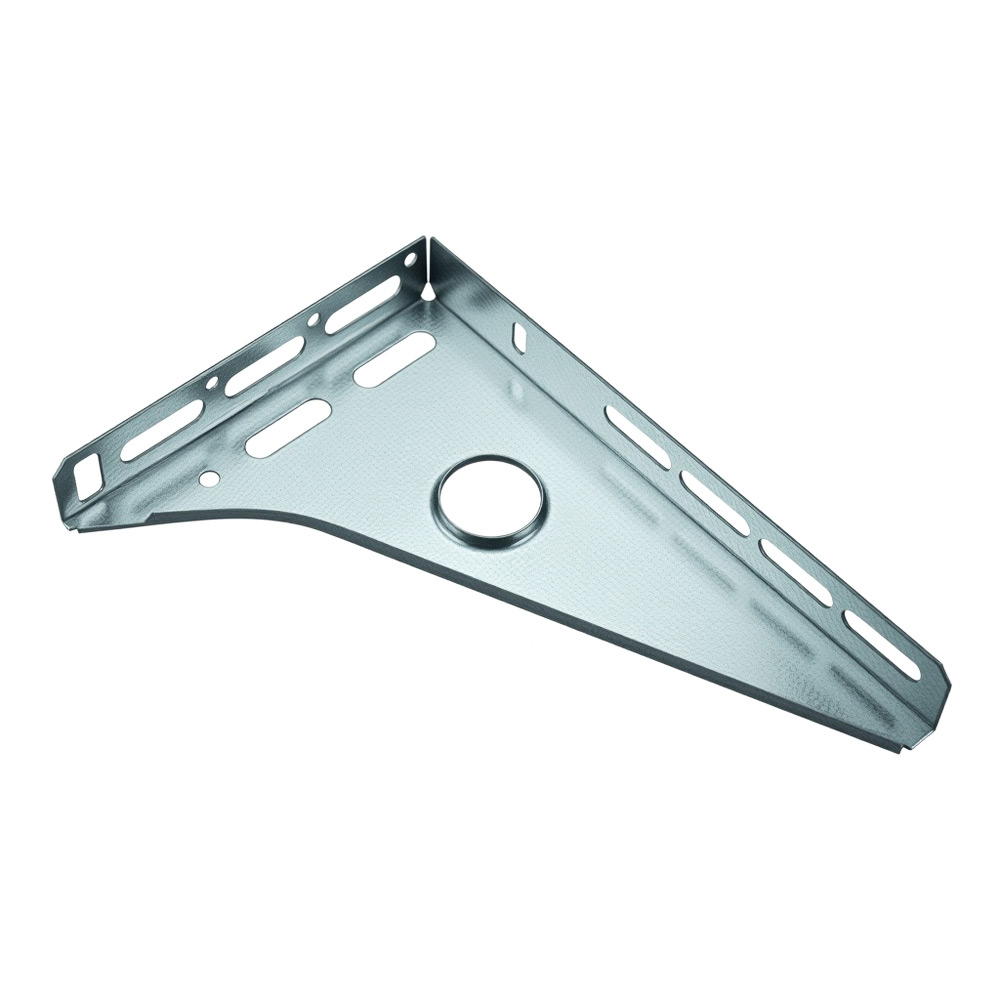
Comparative evaluation of Side Hinge and Edge Hinges focuses on their respective contributions to stress dispersion and articulation stability. Side Hinges, due to their edge-mounted position, primarily carry the bending moment generated as the door transitions from vertical to horizontal. They are also responsible for maintaining panel-to-panel alignment, which is critical for smooth track engagement and minimizing binding forces. Edge Hinges, by contrast, distribute shear loads across the width of the panel and help prevent local deflection or twisting during articulation.
Empirical studies and field observations indicate that improper hinge selection or placement can lead to uneven stress distribution, resulting in localized fatigue failure and reduced door service life. For example, under-sizing Side Hinges for a heavy or wide door can cause excessive flexing at the hinge knuckle, while inadequate Edge Hinge spacing may permit panel sag or misalignment. Door system designers must therefore conduct detailed load calculations, considering both static and dynamic effects, to determine the optimal hinge type, material, and spacing for each application.
In addition to mechanical performance, ease of maintenance and inspection is a practical consideration. Hinges with accessible lubrication points or replaceable bushings facilitate routine servicing, which is essential for sustaining fatigue resistance over the door’s operational lifetime. Fastener accessibility should also be considered, as periodic retightening may be necessary to counteract the effects of vibration and cyclic loading.
To verify hinge parameters for engineering-grade safety compliance, door system designers should implement a structured review process. This includes confirming that hinge materials meet specified mechanical properties, such as minimum yield strength and Charpy impact resistance, and that hinge geometry is compatible with the intended articulation path and panel thickness. Load testing of assembled hinges under simulated operational conditions is recommended to validate FEA predictions and ensure that stress concentrations remain within acceptable limits.
Regular inspection protocols should be established, focusing on known points of fatigue initiation such as the knuckle radius and fastener holes. Non-destructive testing methods, including ultrasonic or eddy current inspection, can be employed to detect sub-surface cracks before they propagate to failure. Documentation of hinge performance, including cycle counts and observed wear patterns, should be maintained to inform future design improvements and maintenance schedules.
Verifying Side Hinge and Edge Hinges for Engineering-Grade Safety
In summary, the mechanical reliability of Side Hinge and Edge Hinges in sectional doors is fundamentally linked to their ability to distribute articulation stresses and resist fatigue over extended service intervals. Addressing the core pain point of stress concentration and articulation fatigue requires a combination of optimized hinge geometry, robust material selection, precise installation, and ongoing inspection. Door system designers are advised to verify all hinge parameters against engineering-grade safety standards, employing both analytical and empirical methods to ensure that the installed hardware meets the demands of the intended application. This approach not only enhances operational reliability but also extends the service life of the door system by minimizing the risk of hinge-related failures.
For additional technical resources, refer to 힌지 내식성 그리고 로드 테스트 보고서 to support your hinge specification and maintenance strategy.
 English
  Русский
  日本語
日本語  한국어
한국어  Français
  Deutsch
  العربية
  Português
  Español