
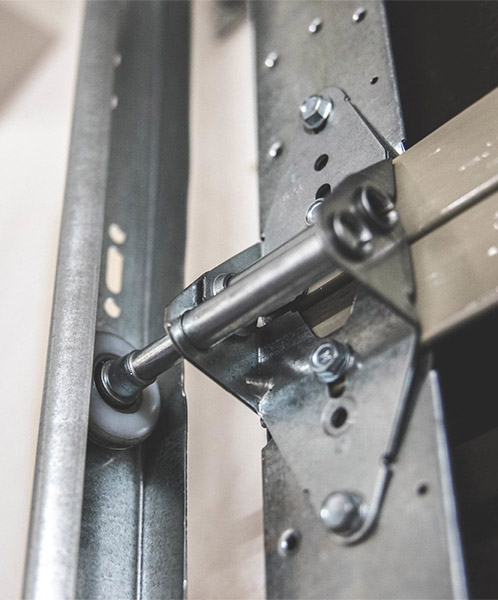
How to select stainless steel nylon pulley rollers that stay smooth and quiet in humid sliding door tracks
Selecting stainless steel nylon pulley rollers for humid, dusty sliding-door tracks often comes down to whether groove-to-track fit, wheel/axle tolerance, and bearing sealing are aligned with real operating conditions. When those details are missed, installers and buyers quickly encounter sticking, squeal, or uneven rolling long before the door itself shows wear.
Where stainless steel nylon pulley rollers are actually used
In garages and semi-outdoor sliding door installations, rollers are exposed to moisture, airborne dust, and frequent open–close cycles. These environments are not extreme, but they are persistent. Over time, small misalignments or tolerance gaps accumulate into noticeable resistance or noise. For procurement teams and installers, the challenge is not finding a roller that “fits,” but one that continues to move smoothly after months of real use.
Stainless steel nylon pulley rollers are commonly chosen because stainless steel hardware resists corrosion while nylon wheels reduce rolling noise and protect the track surface. That combination works well only when the surrounding geometry and load paths are respected.
Why material choice alone does not guarantee smooth sliding
Many buyers assume that selecting stainless steel and nylon automatically solves durability and noise concerns. In practice, material choice is only one variable. The interaction between wheel groove profile, track cross-section, and axle tolerance determines how forces are distributed during motion.
If the groove radius does not match the track, side loading increases. This side loading raises friction and accelerates localized wear, even if the wheel material itself is sound. Over time, the door begins to feel heavy or uneven, a common complaint in humid garage environments.
Key selection parameters that control rolling performance
The most reliable way to choose stainless steel nylon pulley rollers is to work backward from performance outcomes rather than catalog descriptions. Low rolling resistance, stable alignment, and quiet operation are all consequences of a small set of measurable parameters.
Wheel diameter influences how easily the roller bridges minor debris in the track. Larger diameters generally tolerate dust better, but only if axle stiffness is sufficient to avoid deflection. Axle diameter and tolerance control whether the bearing remains concentric under load or begins to tilt.
Bearing structure and sealing are equally critical. In humid, dusty tracks, unsealed or lightly shielded bearings tend to draw in fine particles mixed with moisture. The result is a gradual increase in rolling resistance rather than an immediate failure, making the issue harder to diagnose after installation.
How environment changes tolerance priorities
In a high-humidity garage or semi-outdoor corridor, corrosion is rarely catastrophic, but it is continuous. Stainless steel fasteners and axles slow this process, yet nylon wheels can still deform slightly under sustained load if tolerances are too tight.
Allowing a controlled clearance window between wheel and track helps accommodate debris without forcing the wheel into constant side contact. This clearance must be intentional; excessive play introduces vibration and noise, while insufficient clearance accelerates wear.
Typical failure patterns and what they indicate
When stainless steel nylon pulley rollers begin to squeal or bind, the underlying cause is usually not material degradation but alignment or contamination. Bearings that ingest dust and moisture often show a steady rise in rolling force before seizing. Grooves that mismatch the track profile leave visible polishing marks on one side of the wheel.
These symptoms are signals that the original selection did not fully account for load direction or environmental exposure. Addressing them early often means revisiting tolerance and sealing assumptions rather than replacing materials wholesale.
Matching rollers to door weight and usage frequency
Door weight determines contact stress at the wheel-track interface. Heavier doors demand either a larger wheel diameter or multiple rollers to distribute load. Usage frequency then compounds this effect. A lightly used storage door may tolerate marginal alignment, while a daily-use garage door will not.
For procurement teams balancing budget and longevity, it is often more effective to specify a modestly higher bearing sealing level than to oversize wheel material alone. This approach targets the most common degradation pathway in humid environments.
How rolling performance is verified in practice
Reliable selection depends on how components are evaluated before installation. Dimensional accuracy inspection confirms wheel diameter, groove geometry, axle size, and concentricity. These checks ensure that theoretical fits translate into real assemblies.
Corrosion and aging resistance tests, such as salt spray or equivalent exposure methods, indicate how stainless components behave over time in moist air. While these tests do not replicate every installation, they establish a baseline for material stability.
Load-based rolling resistance and durability checks simulate repeated opening and closing cycles. In combination, these methods align selection decisions with measurable outcomes rather than assumptions.
Standards and validation relevant to humid sliding door environments
Although garage door rollers are rarely governed by a single mandatory standard, selection often references widely accepted testing frameworks. Dimensional inspections and corrosion exposure methods align with practices described by organizations such as ISO 그리고 ASTM. These references provide shared language for discussing tolerances, aging behavior, and durability expectations.
Using these test approaches helps buyers and installers compare options consistently, especially when evaluating suppliers that claim similar materials but apply different manufacturing controls.
Reducing selection risk before committing to a supplier
Before finalizing stainless steel nylon pulley rollers, it is useful to confirm how groove geometry matches the existing track, what bearing sealing level is used, and how rolling resistance is evaluated under load. These checks often reveal meaningful differences between otherwise similar products.
For teams looking for a broader framework that connects these parameters across door types and usage scenarios, reviewing a more comprehensive garage door roller buyer guide and failure FAQ can clarify how individual selection choices fit into the overall system.
Making selection decisions that hold up over time
Stainless steel nylon pulley rollers perform best when their advantages are applied within clear boundaries. Corrosion resistance and low noise remain reliable benefits when groove fit, axle tolerance, and bearing sealing are chosen with the environment in mind.
By treating potential binding or noise as design parameters rather than surprises, buyers and installers can align roller selection with real operating conditions. Over time, this approach reduces maintenance interventions and keeps sliding doors moving smoothly in humid, dust-prone settings.
This content is developed based on material performance analysis, standardized industry testing references such as dimensional accuracy inspection and corrosion resistance evaluation, and real-world application scenarios related to high-humidity garage and semi-outdoor sliding door environments. Product specifications and testing practices referenced here reflect common industry methods used to assess rolling durability and long-term alignment behavior.
 English
  Русский
  日本語
日本語  한국어
한국어  Français
  Deutsch
  العربية
  Português
  Español