
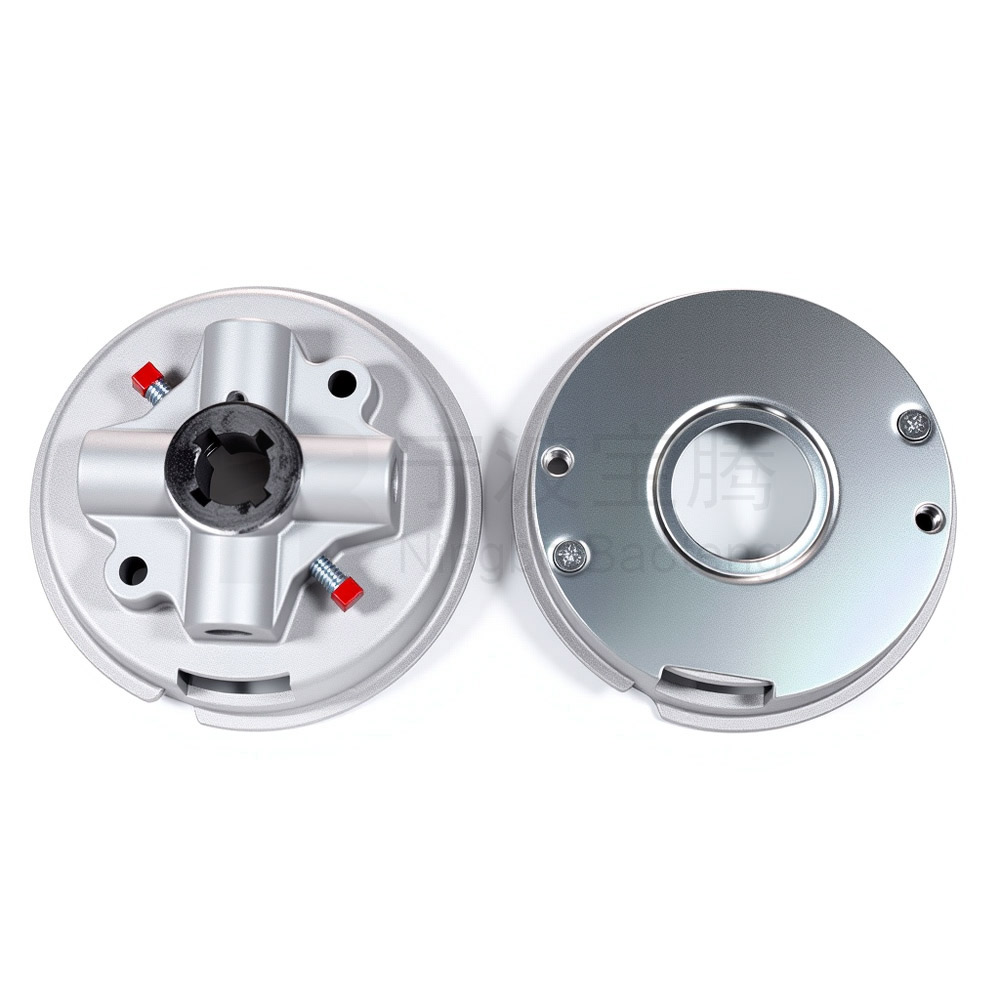
Torsion Shaft Coupler Fatigue Analysis for Load Balancing and Durability in Garage Door Systems
The torsion shaft coupler plays a critical role in the functionality and reliability of garage door systems, particularly in applications involving torsion springs. This component is designed to connect two torsion…
The torsion shaft coupler plays a critical role in the functionality and reliability of garage door systems, particularly in applications involving torsion springs. This component is designed to connect two torsion shafts, facilitating the transfer of torque generated by the springs to the door itself. The effective performance of a torsion shaft coupler is essential for ensuring that the door operates smoothly and safely, particularly under varying load conditions.
One of the primary engineering challenges associated with torsion shaft couplers is fatigue failure. This failure mode can occur when the coupler is subjected to repeated loading cycles, leading to the development of microcracks that can propagate over time. Factors such as improper installation, misalignment, or excessive load can exacerbate this issue, resulting in a significant reduction in the coupler’s lifespan. Understanding the mechanics of fatigue in torsion shaft couplers is crucial for predicting failure points and implementing design improvements that enhance durability.
The performance of torsion shaft couplers is also influenced by environmental conditions. For instance, exposure to extreme temperatures or high humidity can affect the material properties of the coupler, potentially leading to corrosion or changes in mechanical strength. Such environmental factors must be considered during the design phase to ensure that the coupler maintains its integrity over time, particularly in regions with harsh weather conditions.
Compliance with established test standards is vital for verifying the performance and safety of torsion shaft couplers. These standards typically involve rigorous testing protocols that assess parameters such as torque capacity, fatigue resistance, and material durability. By adhering to these standards, manufacturers can ensure that their couplers meet the necessary safety and performance criteria, ultimately reducing the risk of failure in real-world applications.
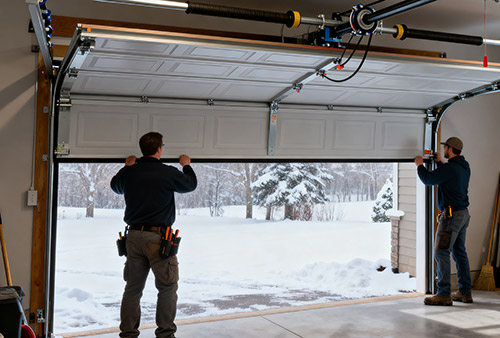
As the next section delves into the quality aspects of torsion shaft couplers, it will explore the specific materials and design considerations that contribute to their performance. Understanding these factors will provide a foundation for evaluating the metrics that determine the effectiveness and reliability of these essential components in garage door systems.
Quality in torsion shaft couplers is a critical factor that directly influences the performance and longevity of garage door systems. The integrity of these couplers is paramount, particularly given their role in transmitting torque and accommodating load variations. High-quality materials and precise manufacturing processes are essential to ensure that torsion shaft couplers can withstand the mechanical stresses they encounter during operation.
The selection of materials for torsion shaft couplers significantly impacts their fatigue resistance and overall durability. Commonly used materials include high-strength steel alloys, which offer excellent tensile strength and fatigue properties. However, the specific grade and treatment of the steel can affect its performance under varying environmental conditions. For instance, exposure to moisture or corrosive elements can lead to degradation of the material, increasing the likelihood of failure. Therefore, understanding the environmental type in which the coupler will operate is crucial. In regions with high humidity or temperature fluctuations, additional protective coatings or corrosion-resistant materials may be necessary to enhance the coupler’s lifespan.
Moreover, the design of the torsion shaft coupler must account for potential failure modes. A well-designed coupler will feature appropriate tolerances and clearances to minimize wear and ensure smooth operation. Misalignment or improper installation can lead to uneven load distribution, exacerbating stress concentrations and increasing the risk of fatigue failure. Engineers must consider these factors during the design phase to optimize the coupler’s performance and reliability.
Compliance with industry test standards is also a vital aspect of ensuring quality in torsion shaft couplers. These standards typically outline rigorous testing protocols that evaluate parameters such as torque capacity, fatigue life, and material properties under simulated operational conditions. By adhering to these standards, manufacturers can validate the performance of their couplers, ensuring they meet the necessary safety and operational criteria. This compliance not only enhances the reliability of the coupler but also provides assurance to end-users regarding its performance in real-world applications.
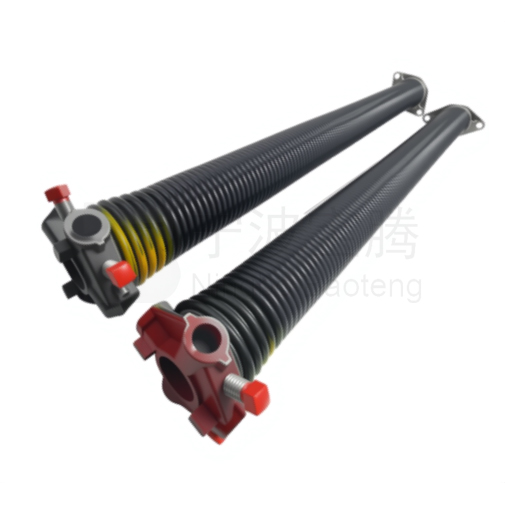
As the discussion progresses to the metrics that quantify the performance of torsion shaft couplers, it is essential to recognize how quality, material selection, and adherence to testing standards collectively contribute to the effectiveness of these components. Understanding these relationships will facilitate a deeper evaluation of the metrics that define the operational success of torsion shaft couplers in garage door systems.
Metrics play a crucial role in assessing the performance and reliability of torsion shaft couplers within garage door systems. These metrics encompass various parameters, including torque capacity, fatigue life, and operational efficiency, which are essential for ensuring that the couplers function effectively under the stresses of daily use. The evaluation of these metrics is vital for understanding how well a torsion shaft coupler can withstand the demands placed upon it, particularly in environments where factors such as temperature fluctuations, humidity, and potential corrosion are prevalent.
Torque capacity is one of the primary metrics used to determine the effectiveness of a torsion shaft coupler. This parameter indicates the maximum torque that the coupler can transmit without experiencing failure. Engineers must consider the expected load conditions during the design phase, ensuring that the coupler can accommodate the maximum torque generated by the garage door system. Failure to accurately assess torque capacity can lead to premature failure modes, such as stripping or shearing of the coupler, which can compromise the entire lifting mechanism.
Fatigue life is another critical metric that engineers must evaluate. This metric refers to the number of load cycles a torsion shaft coupler can endure before signs of wear or failure appear. The fatigue life is influenced by various factors, including material properties, load distribution, and environmental conditions. For instance, a coupler subjected to high humidity may experience accelerated corrosion, leading to reduced fatigue life. Understanding the fatigue characteristics of the materials used in the coupler is essential for predicting its longevity and ensuring safe operation over time.
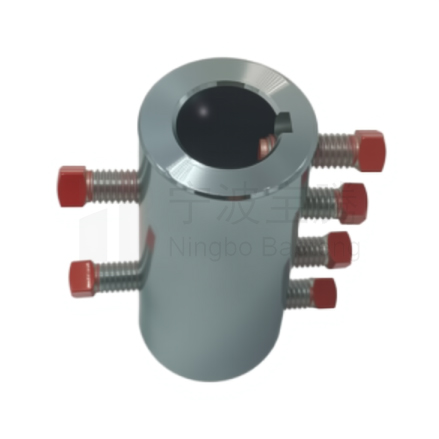
Compliance with established test standards is integral to validating these metrics. Industry standards provide a framework for testing torsion shaft couplers under controlled conditions, simulating real-world operational scenarios. Parameters such as torque capacity and fatigue life are rigorously assessed to ensure that the couplers meet safety and performance criteria. Adhering to these standards not only enhances the reliability of the couplers but also provides manufacturers and end-users with confidence in their performance.
In summary, the metrics associated with torsion shaft couplers are fundamental to their design and application in garage door systems. By focusing on torque capacity and fatigue life, and ensuring compliance with relevant test standards, engineers can optimize the performance of these critical components. This understanding will lead to improved durability and safety, ultimately contributing to the effective operation of garage door systems in various environmental conditions.
The torsion shaft coupler plays a pivotal role in the functionality and reliability of garage door systems, particularly in managing torque transfer and mitigating failure modes. Engineers must recognize that the performance of these couplers is not solely dependent on their design but also on the environmental conditions they encounter. For instance, exposure to high humidity can lead to corrosion, which significantly impacts the coupler’s fatigue life and overall durability. Understanding these environmental influences is essential for predicting how the coupler will perform over time.
Moreover, adherence to relevant test standards is crucial in ensuring that torsion shaft couplers can withstand the demands of real-world applications. These standards outline the rigorous testing parameters that evaluate torque capacity and fatigue resistance, providing a benchmark for quality and safety. By ensuring compliance with these standards, engineers can enhance the reliability of the couplers, thereby reducing the risk of premature failure and ensuring that the garage door operates effectively under various load conditions.
As the analysis progresses, attention will shift to specific installation guidelines and best practices for torsion shaft couplers. Proper installation is vital to achieving optimal performance and longevity. Engineers will explore how meticulous attention to detail during the installation process can prevent common issues associated with misalignment and improper torque application. This focus on installation will further solidify the understanding of how to maximize the performance of torsion shaft couplers in garage door systems, ensuring that they operate safely and efficiently throughout their service life.
Reviewed by: Senior Garage Door Hardware Engineer
All technical viewpoints in this article were reviewed and validated by our senior engineering team, Premium Garage Door Hardware R&D Team.
Learn more in our
회사 개요.
 English
  Русский
  日本語
日本語  한국어
한국어  Français
  Deutsch
  العربية
  Português
  Español