
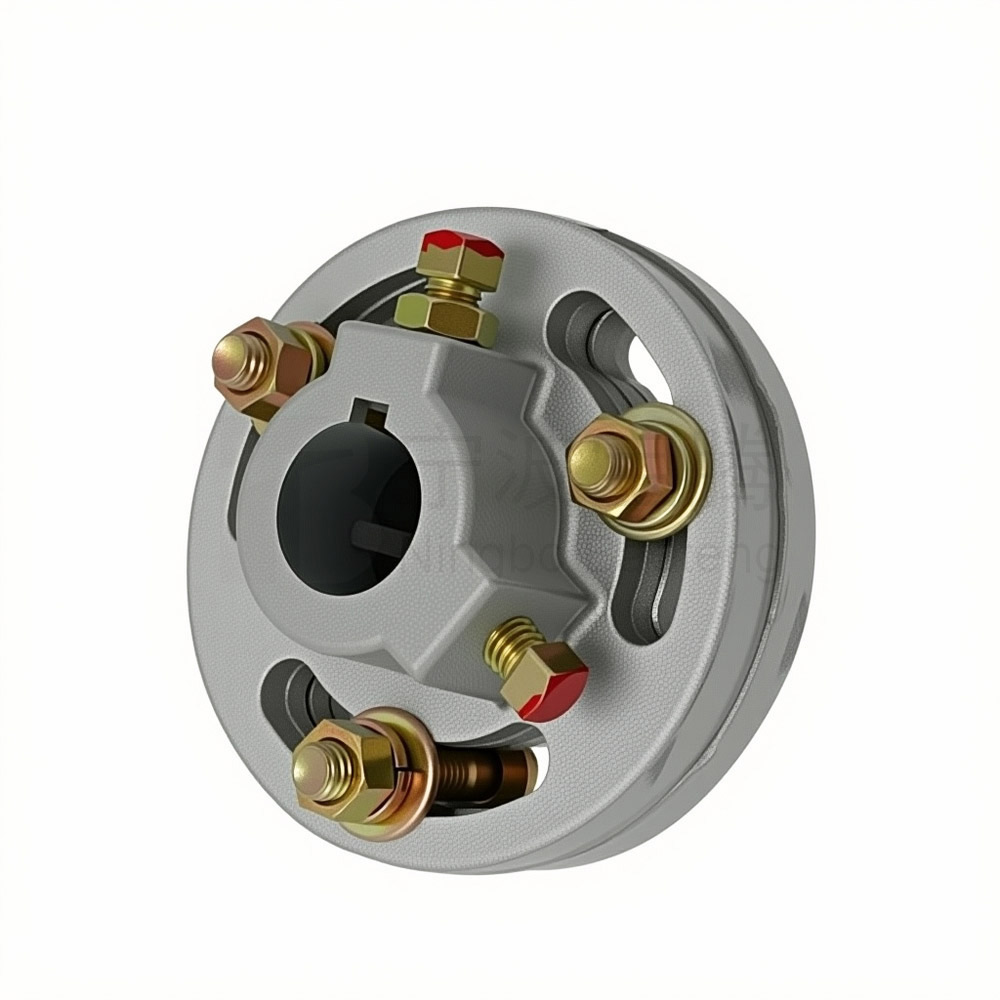
Understanding Torsion Shaft Coupling in Garage Door Systems
Torsion shaft coupling is essential for maintaining the performance and reliability of garage door systems, especially in high-demand applications.
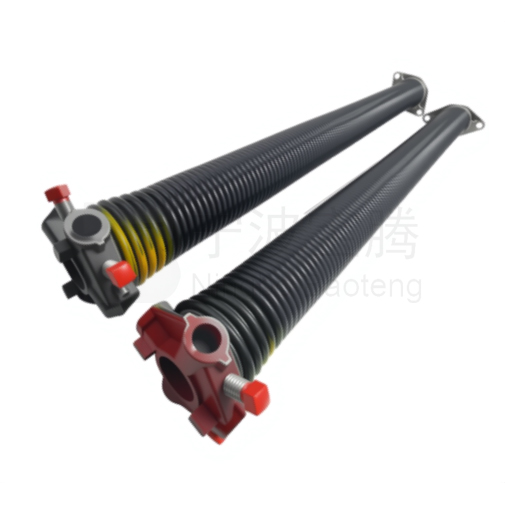
In high-cycle industrial environments, the torsion shaft coupling must endure repeated load cycles that can induce fatigue in the materials used. This fatigue can manifest as micro-cracks within the metal, gradually leading to a reduction in the coupling’s ability to transmit torque efficiently.
Understanding these mechanical stresses is critical for ensuring the longevity and safety of garage door operations. For more detailed insights into the components involved, refer to our section on 롤러.
Key Considerations for Torsion Shaft Couplings
The implications of torque loss are profound, potentially resulting in inadequate lifting force and operational failures. Therefore, it is imperative to analyze the performance of these couplings under realistic conditions to prevent such failure modes.
“The performance of torsion shaft couplings is crucial for the operational integrity of garage door systems, especially under varying environmental conditions.”
Understanding Torsion Shaft Couplings
The safety of torsion shaft couplings is paramount in ensuring the reliable operation of garage door systems, particularly in high-cycle industrial environments where they are subjected to repeated loading and unloading. The design and material selection of these couplings must account for potential failure modes, specifically torque loss and metal fatigue, which can significantly compromise operational safety.
Torque loss occurs when the coupling is unable to transmit the required rotational force due to material degradation. This degradation is often a result of metal fatigue, which manifests as micro-cracks that develop under cyclic loading conditions. As the coupling experiences these repeated stresses, the integrity of the material diminishes, leading to an eventual failure that can result in catastrophic operational incidents.
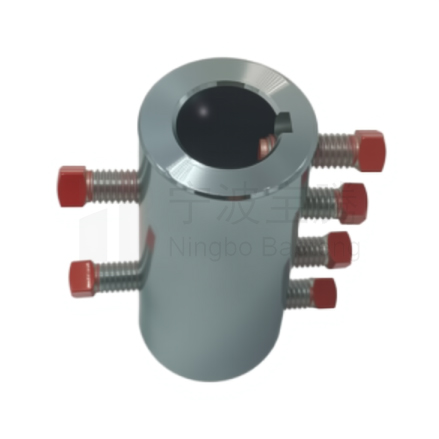
Key Considerations for Coupling Safety
To mitigate risks associated with torsion shaft couplings, adherence to rigorous testing standards, such as the fatigue cycle test, is essential. This testing simulates the conditions that torsion shaft couplings will face during their operational life, allowing engineers to evaluate the durability and performance of the materials used.
Compliance with these testing standards ensures that the couplings meet established safety benchmarks, thereby enhancing their reliability in real-world applications. For further details on testing procedures, refer to our 엔지니어링 사양.
Testing Torsion Shaft Couplings
The integration of knowledge regarding failure modes, testing standards, and environmental influences is vital for developing robust torsion shaft coupling solutions. This comprehensive understanding not only enhances the safety and efficiency of garage door hardware systems but also sets the foundation for exploring testing methodologies and their implications for design and performance.
Testing torsion shaft couplings is critical in ensuring their reliability and performance, particularly in high-cycle industrial applications. The fatigue cycle test serves as a benchmark for evaluating the endurance of these couplings under conditions that mimic real-world operational stresses.
During the fatigue cycle test, parameters such as load magnitude, frequency, and the number of cycles are meticulously controlled to replicate the conditions expected in service. This understanding is essential for engineers tasked with designing couplings that can withstand the rigors of high-cycle usage without compromising safety.
“Environmental factors play a significant role in the testing process, as variations in temperature and humidity can influence the mechanical properties of the materials involved.”
For further insights into the design and performance of garage door hardware, consider exploring our 엔지니어링 사양.
Key Takeaways
- Understanding torsion shaft couplings is essential for ensuring the reliability of garage door systems.
- Rigorous testing, including fatigue cycle tests, is crucial for evaluating the performance of these couplings under high-cycle conditions.
- Environmental factors such as temperature and humidity can significantly affect the performance and longevity of torsion shaft couplings.
- Effective installation guidelines are vital to enhance safety and operational efficiency in garage door systems.
결론
Ensuring the reliability of garage door systems hinges on a comprehensive understanding of torsion shaft couplings and their performance under various conditions. By adhering to established testing standards, engineers can guarantee that these couplings not only meet performance specifications but also comply with critical safety regulations. This compliance is essential for preventing failures that could lead to operational disruptions or safety hazards.
The insights gained from rigorous testing contribute to the development of more effective designs, enhancing the reliability of load-bearing garage door systems. As engineers prepare to explore installation guidelines, they must consider environmental factors that can influence the performance of torsion shaft couplings. A thorough understanding of these interactions will ultimately inform best practices for installation and maintenance, ensuring the safety and efficiency of garage door systems.
Reviewed by: Senior Garage Door Hardware Engineer
All technical viewpoints in this article were reviewed and validated by our senior engineering team, Premium Garage Door Hardware R&D Team.
Learn more in our
회사 개요.
 English
  Русский
  日本語
日本語  한국어
한국어  Français
  Deutsch
  العربية
  Português
  Español