
Wicket Gate Lock Case Study: Door-in-Door Stability
기준 물질: Relevant material and performance testing standards, including general corrosion-screening logic from ASTM 국제 and stainless steel material guidance from the International Stainless Steel Forum.
간단한 답변
A 개찰구 게이트 잠금장치 works in a more complicated position than a normal residential door lock because it is installed where two moving systems meet. The main garage door panel moves as one structure, while the wicket or pass door must still open, close, and lock as a smaller independent access point. That creates a boundary condition where small mechanical deviations can become practical user complaints: the key feels stiff, the face-plate looks loose, the lock box does not sit cleanly, or metal staining appears near the contact area after exposure to humid air and repeated handling.
This case study uses the confirmed BT-L713 catalog identity only: 문 잠금 장치, including lock mechanism, lock box, face-plate, and screws, 와 함께 copper and stainless steel as the recorded materials. No square shaft length, striker assembly, wire rope, emergency release system, zinc alloy body, chrome finish, cycle count, salt spray duration, or certified lock grade is assumed. The goal is to show how a small lock set can become a stability checkpoint for the full door-in-door structure.
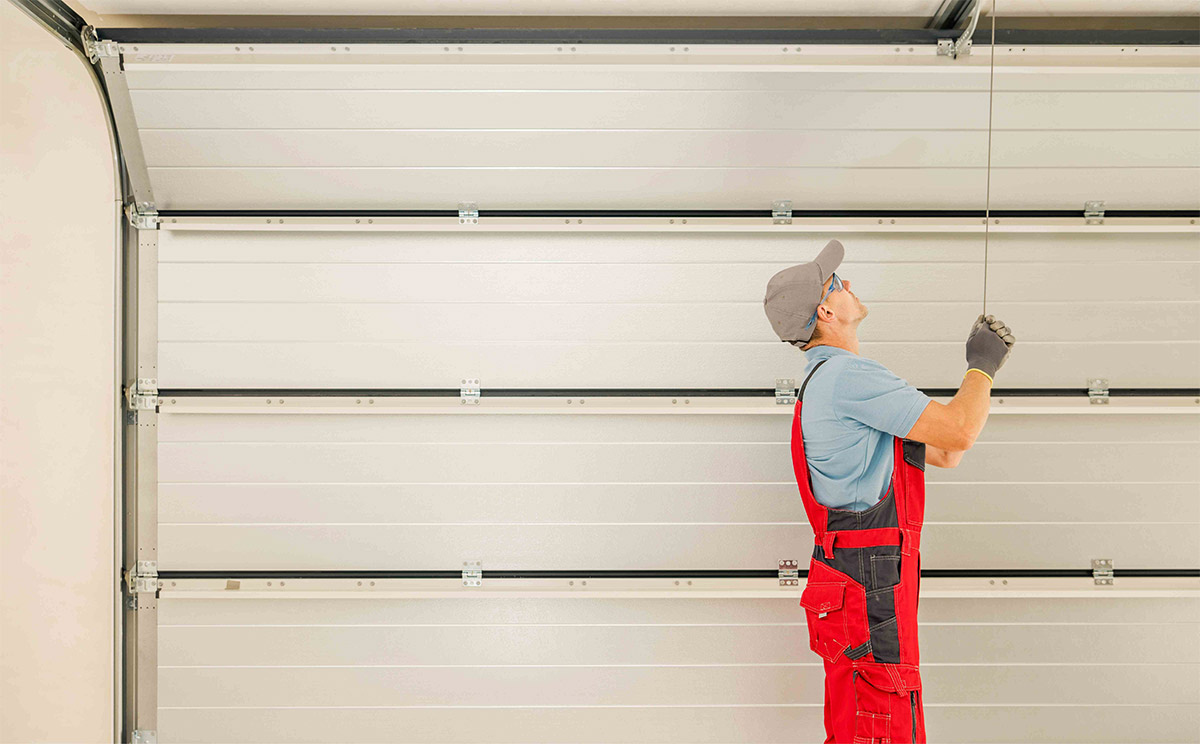
When a Pass Door Becomes a Moving Lock Boundary
A normal lock is usually judged by whether the key turns and the latch engages. A garage door wicket door lock needs a broader reading because the lock is mounted into a smaller door that is already built into a larger moving panel. The main door may vibrate during opening and closing. The pass door may be pulled, pushed, or closed at a different speed. The lock box and face-plate sit near that shared boundary, so the lock does not only experience turning force from the key; it also receives small positional stresses from the door skin, mounting screws, and surrounding panel edge.
The BT-L713 record is useful because it names the lock as 문 잠금 장치, not simply a handle or exterior release accessory. That wording matters. A door-in-door lock must preserve the locked state while the larger structure remains mechanically active. The confirmed component set also matters: lock mechanism, lock box, face-plate, and screws. These four parts form a compact load path. The lock mechanism handles rotation and engagement. The lock box houses the working parts. The face-plate controls the outside seating surface. The screws transfer fixing pressure into the door panel.
A practical edge-case model can be described without inventing unlisted test values. Imagine a pass door installed in a sectional garage door used several times per day in a damp service entrance. At the beginning of use, the lock feels normal because the box, plate, and screws are still seated. In the middle stage, panel vibration and repeated manual closing may create a tiny shift in the lock box position. The user may not see a visible failure, but the key path can start to feel less clean. In the later stage, the face-plate may no longer sit perfectly flush, and the user may compensate by lifting or pushing the door while turning the key. That compensating motion is an early warning sign, not a normal operating habit.
A cross-dimensional comparison shows why this lock should not be evaluated like a static cabinet latch. In a fixed cabinet, the frame and door usually move in one simple direction and carry low dynamic load. In a pass-door garage panel, the lock area sits inside a larger moving structure, so it can receive vibration, panel flex, humidity, hand pressure, and occasional impact from closing. Even if the same metal parts look similar on a product page, the use environment changes the risk logic.
For buyers reviewing garage door hardware supply options, the key question is not whether the lock looks strong in isolation. The better question is whether the lock box, face-plate, screws, and material choices can be inspected as one boundary system before the product reaches a real door.
Lock Box, Face-Plate, and Screws: A Three-Point Stability Reading
The most useful way to read BT-L713 is as a three-point stability system: lock box position, face-plate seating, 및 screw fixing pressure. This avoids the mistake of treating the product as a simple key cylinder. The catalog confirms that the door-in-door lock includes the lock mechanism, lock box, face-plate, and screws. Since no dedicated drawing, torque value, hole diameter, or installation template is disclosed, the safe technical approach is to focus on how these confirmed parts behave together.
The lock box provides internal containment. If it is not seated squarely, the internal movement of the mechanism can become sensitive to door-panel distortion. The face-plate provides the visible seating surface. If it is not flat against the panel, the user may see a loose edge or feel uneven pressure when operating the lock. Screws provide the fixing force. If screw matching, seating depth, or thread engagement is not controlled, the face-plate may appear acceptable at first inspection but lose stability after vibration.
A practical comparison test can be built around two inspection samples without inventing a formal certification. Sample A is checked only by visual appearance after assembly. Sample B is checked by visual appearance, lock/unlock operation, screw seating, face-plate contact, and repeated manual closure on a representative pass-door panel. Sample A may pass because it looks complete. Sample B may reveal friction, plate lift, or a key-turn change caused by the relationship between the lock box and the fixing points. This is the difference between a product identity check and a working-boundary check.
| Confirmed Part | Stability Role | Possible Field Symptom | 실무 점검 중점 사항 |
|---|---|---|---|
| Lock mechanism | Key rotation and locking action | Stiff turning or inconsistent engagement | Smooth lock and unlock operation |
| Lock box | Internal housing and position control | Mechanism drag after panel movement | Square seating and dimensional fit |
| 페이스 플레이트 | Outer contact surface | Loose edge or visible gap | Flush contact and scratch inspection |
| Screws | Fixing pressure transfer | Plate movement or loosening | Quantity, matching, and seating check |
| Copper and stainless steel | Metal contact performance | Surface marks or oxidation tint | Material confirmation and surface review |
An edge extreme scenario is a pass door installed near a coastal-style humid entrance or a workshop door exposed to wet hands, dust, and frequent manual access. In the first weeks, the lock may feel clean. After repeated closing, the screws can experience micro-settling into the panel surface. If the lock box shifts even slightly, the lock mechanism may no longer move with the same clearance. The user experiences this not as a technical tolerance issue, but as a practical complaint: the key must be turned with extra care.
A secondary chain effect is often overlooked. Once users start pushing the pass door while turning the key, they introduce extra side force into the lock area. That behavior can enlarge the original problem because the lock is no longer being operated through clean rotational input alone. The door skin, lock box, face-plate, and screws begin to share unintended force. The early symptom becomes part of the failure mechanism.
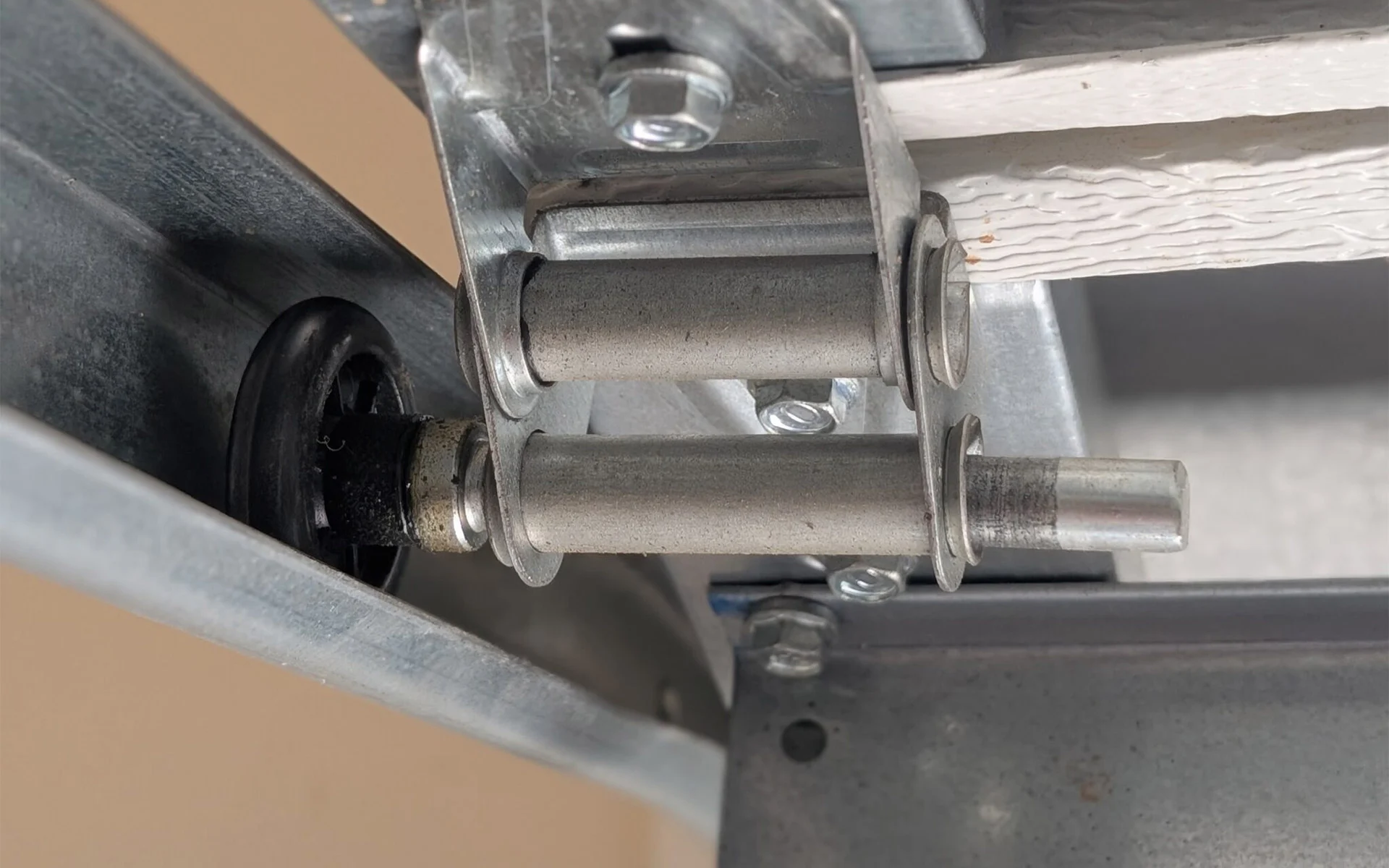
주요 요점
- A key that turns smoothly on the bench but feels stiff after door closure may signal lock-box alignment sensitivity.
- A small face-plate edge gap is an early warning sign because it may grow under vibration and hand pressure.
- Screw seating should be checked as a functional stability point, not only as a packing completeness item.
Copper and Stainless Steel Under Outdoor-Adjacent Contact
The confirmed material record for BT-L713 is copper and stainless steel. That combination should be treated as a real engineering clue, not as a generic quality phrase. Copper and stainless steel can both be used successfully in door hardware, but their surface behavior is different. Copper is known for its conductivity, workability, and tendency to develop surface oxidation or patina under environmental exposure. Stainless steel is valued for corrosion resistance, but it still depends on surface condition, grade, contamination control, and local environment.
In a wicket or pass-door position, the lock area may face outdoor-adjacent conditions rather than fully indoor conditions. This can include humid air, rainwater carried by hands or clothing, condensation near a metal panel, cleaning residue, and dust. When copper and stainless steel are near other metals in the surrounding door system, contact conditions can create visible staining or color contrast. This does not automatically mean structural failure, but it does affect user perception and long-term appearance.
The micro-level logic is based on surface chemistry. Stainless steel relies on a passive surface film to resist corrosion. If the surface is scratched, contaminated by mixed-metal particles, or kept in a damp crevice, localized marks can appear. Copper can oxidize and darken in air, especially when moisture and handling residues are present. Screws and nearby panel metals can add another contact variable. Without a disclosed protective coating or corrosion-test duration for BT-L713, it would be inaccurate to promise permanent outdoor resistance. A more truthful claim is that material confirmation, clean handling, surface inspection, and suitable packaging help reduce avoidable surface defects before the lock is installed.
An extreme environment timeline helps clarify the risk. In the early stage, handling marks and fine scratches may be the main concern. In the middle stage, moisture and hand residue can create a visible boundary around the face-plate or screw points. In the late stage, areas that trap water or dust may show darker edges or inconsistent surface appearance. These are not guaranteed outcomes; they are realistic risk pathways when copper, stainless steel, screws, and surrounding door metals are used in an outdoor-adjacent setting.
A useful comparison is dry indoor storage versus humid mixed-metal storage. In dry indoor storage, the lock surface is mainly challenged by scratches and packing pressure. In humid mixed-metal storage, the surface is also challenged by moisture, condensation, and possible contact staining. The same BT-L713 material description can therefore lead to different field appearance depending on storage, packing, and installation environment.
The practical lesson is simple: material names should not be treated as unlimited performance promises. Copper and stainless steel are credible hardware materials, but the lock still needs controlled handling, clean contact surfaces, and inspection before shipment.
A Factory Check That Starts Before the Key Turns
For BT-L713, the catalog does not provide a dedicated QC standard, test duration, cycle count, salt spray hour, torque figure, or certified acceptance class. That absence should not be covered with invented claims. A reliable product page should say what can be checked objectively and where the evidence boundary ends. The right factory-side logic starts before the key turns: confirm the materials, inspect the parts, assemble the lock set, verify the fixing points, test the operation, and protect the surfaces before packing.
Solution 1: incoming material confirmation. The inspection team should separate the confirmed copper and stainless steel parts from unrelated materials and avoid mixing claims from adjacent lock products. The execution protocol is straightforward: check the received parts against the order record, verify that the lock set is identified as BT-L713 Door Lock in the Door, and confirm that the included components match the catalog language: lock mechanism, lock box, face-plate, and screws. The expected material evolution is not a change in strength but a reduction in documentation risk. The hidden cost is slower intake inspection, but the benefit is preventing a product page or shipment record from borrowing data from another lock.
Solution 2: dimensional and seating review. Since the lock box and face-plate define the visible and internal seating condition, inspection should check whether the plate sits flat and whether the lock box aligns without forced pressure. The execution protocol should include a sample fit review on a representative door-in-door panel or fixture. The expected performance change is lower friction at the key and less plate movement after closing. The hidden risk is over-tightening screws to correct a poor fit. That should be avoided because screw force should secure a correct fit, not hide a misaligned one.
Solution 3: functional lock and unlock cycling. A door-in-door lock must be checked by operation, not only by appearance. The execution protocol should require smooth key rotation, clean locking, and repeated manual operation under normal assembly conditions. The expected result is stable user feedback: no sticking, no sudden drag, and no need to push the door while turning the key. The hidden cost is that functional testing takes time and may expose assembly variation. That exposure is useful because it identifies problems before packing.
Solution 4: surface and packing control. Copper and stainless steel parts should be handled in a way that limits scratches, mixed-metal contamination, and impact marks. The execution protocol should include visual surface inspection, separation from abrasive parts, and secure packing so the face-plate and lock mechanism are not damaged in transit. The expected material behavior is more consistent surface appearance after shipment. The hidden risk is assuming packaging only protects appearance. For a lock, packaging also protects the mechanism from impact and keeps screws from damaging the face-plate.
| Checkpoint | Cross Variable | Expected General Behavior | Acceptance Logic |
|---|---|---|---|
| Material intake | Copper and stainless steel identity | Reduced material-claim confusion | Match confirmed BT-L713 record |
| Lock box fit | Door-in-door panel seating | Lower risk of internal drag | No forced seating during sample fit |
| Face-plate contact | Panel surface flatness | Less visible edge lift | Flush visual and touch inspection |
| Screw matching | Quantity and seating | More stable fixing pressure | Correct screws included and seated |
| Functional operation | Key rotation after assembly | Lower stiffness complaints | Smooth lock and unlock behavior |
| Surface review | Humidity and handling exposure | Fewer visible marks before packing | No avoidable scratches or contamination |
| Packing control | Transit vibration and contact | Lower impact risk | Lock mechanism and face-plate protected |
유용한 팁 / 체크리스트
- Confirm that the product record is BT-L713 Door Lock in the Door before using any catalog data.
- Check that the included set contains the lock mechanism, lock box, face-plate, and screws.
- Do not add claims about square shafts, strikers, wire ropes, zinc alloy, or chrome plating unless separately documented.
- Inspect face-plate seating before judging key-turn smoothness.
- Test locking and unlocking after the lock is mounted into a representative pass-door condition.
- Review copper and stainless steel surfaces for scratches, stains, and mixed-metal contamination before packing.
- Keep screws separated from visible plates during packing to reduce transit marks.
- Treat any need to push, lift, or force the pass door during key operation as a warning sign.
자주 묻는 질문(FAQ)
How to manually open a garage door with a wicket gate lock?
A wicket gate lock should not replace the correct manual release procedure for the full garage door system. If the pass door is locked or misaligned, do not force the key. Check whether the pass door is fully seated, then inspect the lock box, face-plate, and screws for visible movement.
How to repair garage door cable near a pass door lock area?
Garage door cable repair is a separate safety task and should not be mixed with lock adjustment. Cables can carry stored spring tension. If a wicket gate lock area is misaligned, inspect the lock separately, but leave cable repair to qualified service personnel using the correct garage door procedure.
How to insulate a garage door with a wicket or pass door?
Insulation can change panel thickness, edge clearance, and face-plate seating around a pass door. Before adding insulation, verify that the wicket gate lock can still close without rubbing. Do not trap insulation behind the lock box or under the face-plate unless the installation design allows it.
How to program a garage door opener keypad after installing a wicket door lock?
Keypad programming and wicket gate lock function are separate systems. Program the opener according to the opener brand instructions, then confirm that the pass door is closed and locked properly. Some garage door systems may require the wicket door to be fully closed before powered operation.
How to program a garage door to a car when the pass door has a lock?
Vehicle programming should follow the opener receiver instructions. The wicket gate lock does not control remote pairing, but the pass door must be closed securely before motorized operation. A loose face-plate or stiff lock should be inspected before relying on automated movement.
 English
  Русский
  日本語
日本語  한국어
한국어  Français
  Deutsch
  العربية
  Português
  Español