
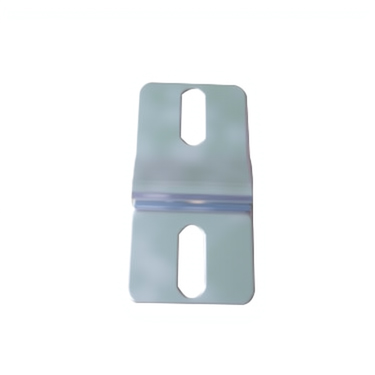
Managing Alignment Deviation in Double Track Retainer for Sliding Door Systems with Structural Rigidity Analysis
This technical review examines the Double Track Retainer’s role in maintaining track alignment precision for sliding and rolling door systems, focusing on structural rigidity and alignment stability to prevent deviation.
Engineering Challenges
The design and installation of a Double Track Retainer present several engineering challenges, particularly concerning alignment precision. One of the most significant issues is the potential for misalignment due to external factors such as temperature fluctuations, material deformation, and installation errors. Each of these factors can compromise the structural integrity of the door system, leading to alignment deviation.
Temperature variations can cause materials to expand or contract, affecting the overall alignment of the track system. For instance, metal components may expand in high temperatures, leading to a tighter fit within the tracks, while contraction in colder temperatures may create gaps. This dynamic can result in misalignment, which, if not addressed, can lead to increased friction, wear, and eventual failure of the door system.
Additionally, installation errors are a common source of alignment issues. Inaccurate measurements or improper installation techniques can lead to a misalignment of the Double Track Retainer relative to the door and track system. This misalignment can manifest as uneven door movement, increased noise, and premature wear of rollers and tracks.
To address these challenges, it is crucial to implement a rigorous alignment verification process during installation. This process should include precise measurement techniques and the use of alignment tools specifically designed for garage door systems.
Process
Achieving optimal alignment with the Double Track Retainer involves several critical steps, each aimed at ensuring the structural rigidity and alignment accuracy of the door system. The first step is to conduct a thorough site assessment before installation. This assessment should include the evaluation of the mounting surface, ensuring it is level and free from obstructions that could interfere with the track system.
Once the site has been assessed, the installation process can begin. It is essential to follow a systematic approach to ensure that the Double Track Retainer is installed correctly. This includes:
- Preparation of Components: Ensure that all components, including the Double Track Retainer, tracks, rollers, and mounting hardware, are free from defects and meet the specified engineering standards.
- Initial Alignment Setup: Position the Double Track Retainer at the designated location, ensuring that it is level and aligned with the intended door path. Use a laser level or alignment jig to assist in this process.
- Secure Mounting: Once the initial alignment is confirmed, securely mount the Double Track Retainer to the wall or ceiling structure. It is critical to use appropriate fasteners that can withstand the operational loads imposed on the door system.
- Final Adjustments: After mounting, perform a final alignment check. This may involve adjusting the position of the retainer or the tracks to achieve the desired alignment. It is advisable to operate the door several times during this phase to ensure smooth movement and proper alignment.
- Post-Installation Verification: After the installation is complete, a thorough verification of the alignment parameters should be conducted. This includes checking the spacing between the rollers and the tracks, as well as ensuring that the door operates smoothly without binding or excessive friction.
The installation process of the Double Track Retainer requires careful alignment and secure mounting for optimal performance.
Regular maintenance is also a critical part of ensuring the long-term performance of the Double Track Retainer. Periodic inspections should be conducted to identify any signs of wear or misalignment. This proactive approach helps to address potential issues before they escalate, ensuring that the door system remains functional and safe.
To maintain the integrity of your sliding door systems, it is imperative to verify alignment parameters for engineering compliance. This verification process not only enhances the performance of the Double Track Retainer but also contributes to the overall safety and longevity of the door system. Installation planners should prioritize alignment checks and utilize appropriate tools and techniques to ensure that all components are functioning as intended.
In conclusion, the Double Track Retainer is a critical component in maintaining track alignment precision for sliding door systems. By addressing the engineering challenges associated with alignment deviation and following a structured installation process, installation planners can ensure that their systems operate effectively and safely. Regular maintenance and alignment verification are essential for sustaining the structural rigidity and performance of these systems.
Regular maintenance inspections are vital for ensuring the continued performance of the Double Track Retainer.
Utilizing alignment verification tools during installation can prevent future alignment issues.
A well-aligned sliding door system operates smoothly, minimizing wear on components.
Testing the structural rigidity of the Double Track Retainer is essential for ensuring long-term performance.
Reviewed by Engenheiro Sénior de Ferragens para Portas de Garagem
 English
  Русский
  日本語
日本語  한국어
한국어  Français
  Deutsch
  العربية
  Português
  Español