
How garage door rollers shape predictable door motion
Commercial loading-dock facilities depend on predictable door motion, yet many technicians encounter premature bearing wear, growing vibration, and unexpected stoppages as door cycles increase through the day. These symptoms often stem from rollers gradually deforming under repetitive load transfer between the track, hinges, and the door’s structural frame. When left unmanaged, this deterioration disrupts workflow, increases maintenance frequency, and raises the likelihood of unplanned downtime.
Understanding how garage door rollers support reliable, high-cycle movement provides a path to longer service intervals and more stable operations. By examining their mechanical behavior, materials, and wear patterns, it becomes possible to determine how they contribute to the overall reliability of a busy dock environment. This perspective offers a clear starting point for evaluating hardware performance and optimizing system stability. Let’s explore how this matters in real-world door systems.
Mechanical role of garage door rollers in dock systems
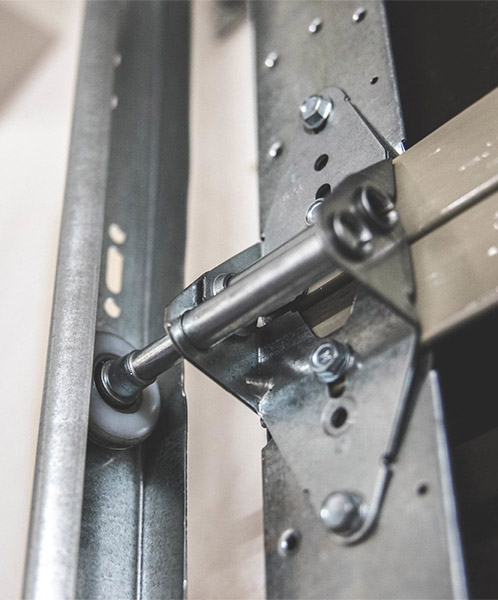
The function and structure of garage door rollers in commercial environments can be traced to both their material selection and their role in transferring loads across the track system. These rollers typically consist of a hardened steel or stainless-steel wheel, a precision-fitted bearing assembly, and a reinforced stem designed to interface with hinges and brackets. As a sectional door moves upward, torsion spring torque relieves some of the weight, yet the rollers still experience concentrated radial loads where the track bends or where the door transitions from vertical to horizontal alignment.
The stem must resist bending while the bearing assembly supports rotational motion with minimal friction. Surface finishing methods, such as zinc coating or stainless-steel construction, add corrosion protection, especially in docks exposed to moisture or cleaning chemicals. Some commercial systems incorporate polymer-coated wheels to reduce operational noise, though metal wheels remain standard due to higher load rating requirements.
Across the industry, cycle testing shows that roller alignment and bearing integrity are often the limiting factors for overall door lifespan, reinforcing the need for dimensional accuracy and periodic inspection. In routine engineering evaluations, alignment verification and lubrication assessments confirm whether each unit maintains expected rotational smoothness. For technicians working in high-cycle facilities, the correct installation of roller stems into hinge sleeves is equally crucial; misalignment can artificially increase torque demand, accelerating wear on bearings and track surfaces. Observations during field inspections consistently highlight that roller deflection tends to appear first at the bearing race and stem junction when subjected to repetitive heavy-duty operation.
30k–50k
Typical design cycle life under rated load
-30°C to 50°C
Common operating temperature envelope
Elevado
Corrosion protection with zinc or stainless steel
Quarterly
Recommended inspection interval in busy docks
Alignment verification, bearing temperature checks, and lubrication assessments are practical techniques technicians apply to confirm whether roller assemblies continue to perform within specification across thousands of cycles.
Application scenarios for high-cycle garage door rollers
How loading docks, cold storage, and heavy-duty sectional doors rely on robust roller performance.
High-frequency loading and unloading
Cycle intensity and lubrication disciplineIn high-cycle commercial garage facilities, rollers are exposed to constant movement throughout working hours, particularly during peak loading and unloading periods. A typical door may cycle hundreds of times a week, increasing mechanical stress on each bearing unit. Under these conditions, hardness level, bearing type, and wheel profile significantly influence performance. A well-matched roller resists flattening, maintains consistent track contact, and supports smoother transitions across track curves.
SEE experience from onsite adjustments often reveals that insufficient lubrication or minor misalignment causes early noise development and heat buildup. Maintaining track gauge uniformity ensures that rollers do not experience side thrust loads that exceed design limits.
Vibration-prone dock corridors
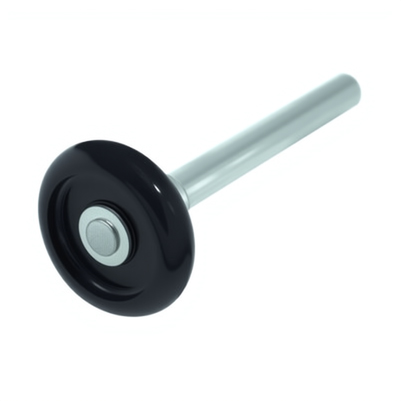
Transient side loads and track interactionIn busy dock corridors where multiple doors operate simultaneously, vibration and lateral movement become more common, especially when forklifts repeatedly pass through doorways at speed. This environment generates transient loads that push rollers against track edges. Reinforced stems and well-sealed bearings provide additional stability in such locations. Field observations frequently note that doors with properly selected rollers exhibit reduced shudder during ascent, contributing to quieter movement and fewer emergency service calls.
Technicians report more predictable motion and fewer unexpected stoppages over time when roller selection, track gauge, and hinge alignment are engineered as a single system rather than as isolated components.
Cold storage environments
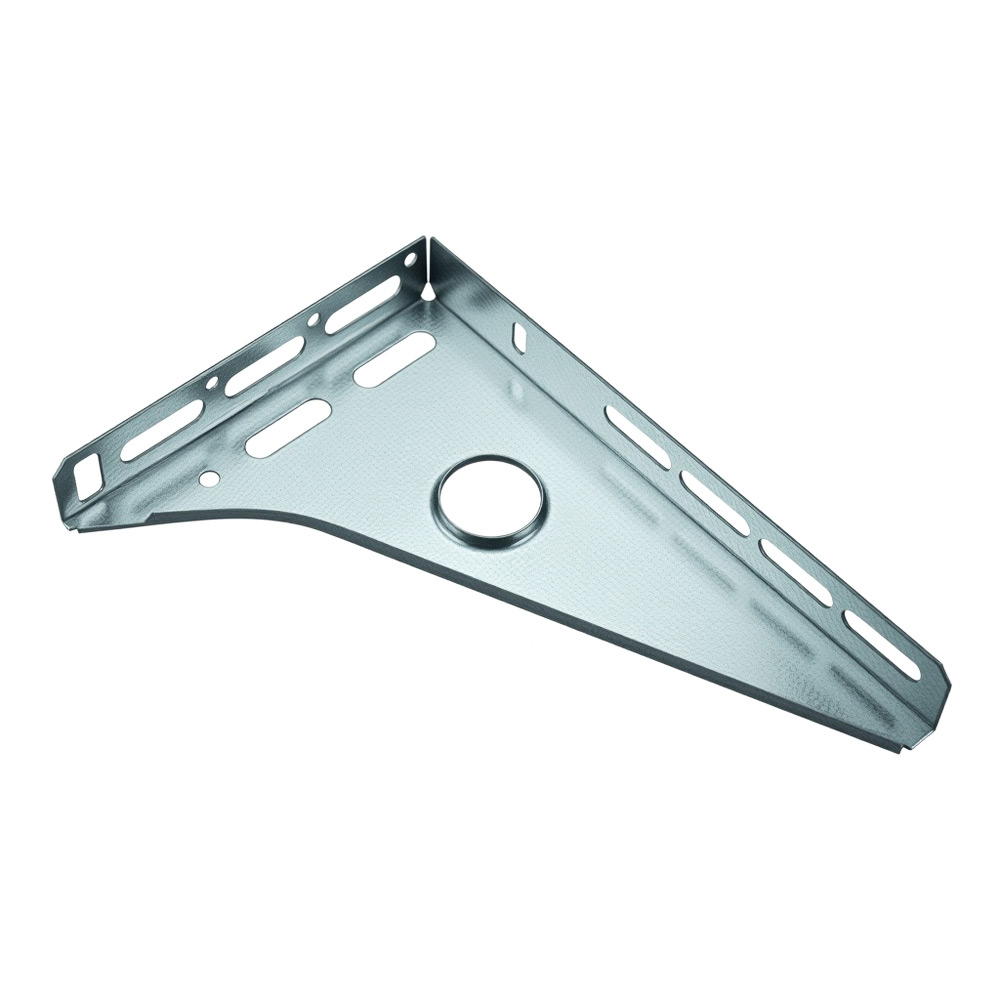
Commercial cold-storage facilities introduce another set of challenges. Low temperatures can thicken grease inside bearings and make polymer-based wheels more brittle. Steel rollers with specialized low-temperature lubrication maintain consistent rotation under these conditions. Surface condensation can occur around track curves, increasing the likelihood of corrosion on untreated hardware.
Experience shows that stainless-steel rollers or zinc-plated components maintain functionality far longer in such environments. Technicians often observe that cold-room doors using unprotected steel rollers eventually develop pitting or rust at the bearing seat, which compromises rotational accuracy. When matched with appropriate corrosion-resistant components, these doors maintain reliable movement even under sustained exposure to moisture and temperature variation.
Heavy doors with reinforced panels
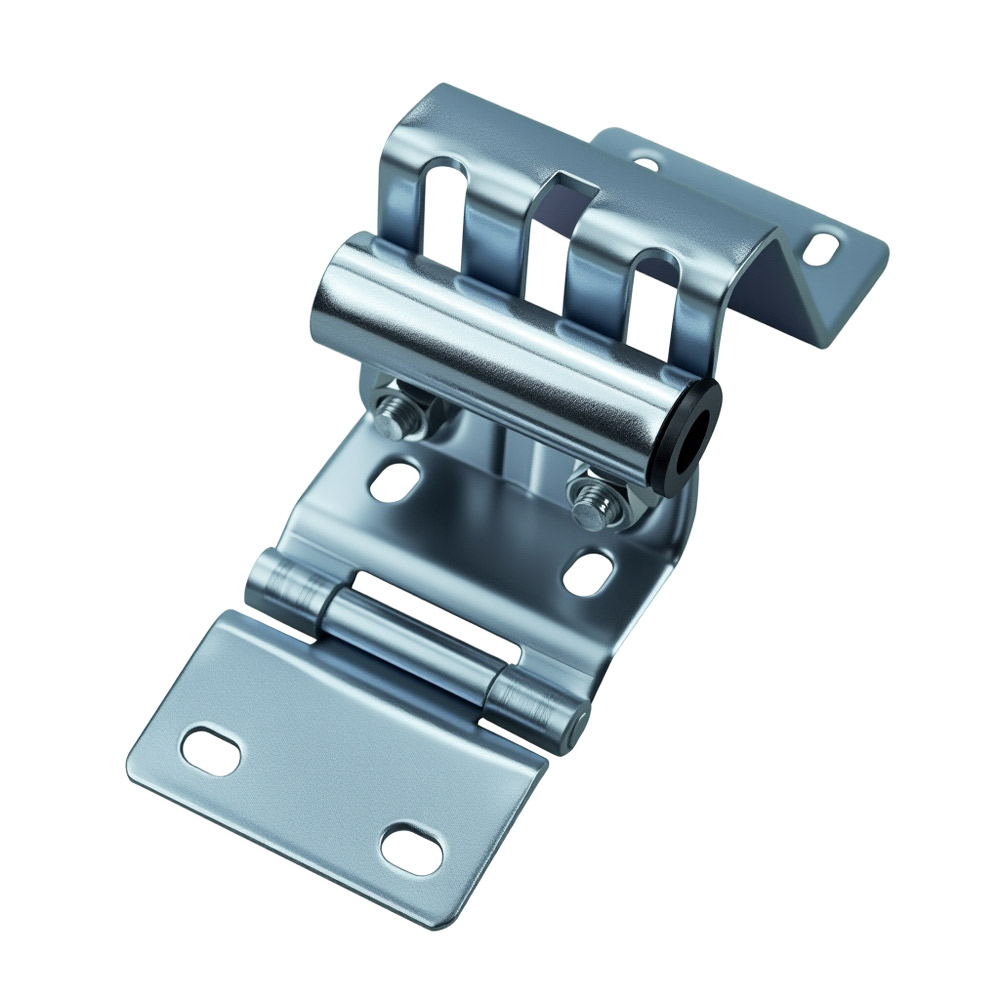
In distribution centers handling heavy dock doors with reinforced panels, load characteristics shift again. These doors commonly weigh more and rely on rollers with larger wheel diameters and higher load ratings. The increased load amplifies the effects of bearing precision, stem rigidity, and wheel hardness. SEE data from field operations indicates that doors equipped with undersized rollers often show track wear and stem bending long before reaching expected cycle life.
High-capacity rollers mitigate this by distributing forces more evenly, preventing localized track deformation and reducing the likelihood of sudden hardware failure during critical operations.
Performance benefits and practical limits
Smooth motion remains a central advantage of well-engineered rollers. Their bearing configuration reduces friction during rotation, minimizing energy needed for door operation and lowering the strain placed on torsion spring systems. High-quality materials allow rollers to resist wear patterns that typically appear after thousands of cycles, thus extending their effective lifespan. Corrosion-resistant coatings, whether through zinc plating or full stainless-steel construction, protect against moisture, cleaning agents, and airborne contaminants common in commercial docks. Reduced vibration is another key benefit; consistent bearing performance prevents the oscillations that often lead to premature hinge loosening or track misalignment. SEE maintenance logs frequently show that systems outfitted with properly selected rollers require fewer corrective adjustments over time.
Despite these strengths, certain limitations must be recognized. Precision hardware demands accurate installation, meaning technicians must ensure consistent track gauge and hinge alignment to prevent side loading. The selection process may also require additional evaluation of load rating, environmental exposure, and predicted cycle frequency, which adds complexity during initial hardware specification. In some cases, polymer-coated wheels offer quieter operation but cannot match the structural rigidity of steel alternatives in extremely heavy-duty settings. SEE experience indicates that improper lubrication selection or lack of scheduled maintenance can diminish many of the potential advantages, emphasizing that even high-grade rollers depend on appropriate service routines.
Manufacturing, testing, and validation of rollers
Manufacturing practices across the industry prioritize dimensional accuracy, bearing consistency, and surface protection. Production begins with material inspection, ensuring that steel or stainless-steel components meet required hardness and tensile specifications. Wheel blanks undergo machining to achieve proper diameter, tolerance, and surface finish, followed by bearing press-fit operations where alignment is checked with dial indicators. Assemblies then move to cycle testing rigs designed to simulate repeated door operation. These tests evaluate load distribution and bearing temperature rise over extended sequences, providing insight into long-term performance. Salt-spray corrosion tests assess the durability of protective coatings under moisture exposure, while impact tests determine how rollers handle abrupt shocks common in dock environments. Dimensional inspections verify that stems meet straightness requirements to avoid concentrated bending stresses during operation. These steps ensure that each roller offers predictable performance when integrated into a commercial door system, aligning with the reliability demands of high-cycle environments.
Engineering teams often reference structured test data from resources such as dedicated load testing reports for garage door rollers and complementary especificações técnicas to define acceptance criteria for commercial hardware.
Engineering value themes around garage door rollers
Quality & Durability
- Material selection and bearing precision define long-term mechanical consistency in demanding commercial environments.
- Ensuring that the roller assembly maintains structural integrity over thousands of cycles reduces service interruptions and enhances overall door stability.
Lifecycle Cost & Sustainability
- Longer-lasting rollers lower the frequency of replacement, reducing both material waste and maintenance costs.
- In high-cycle docks, selecting a durable roller contributes to a more efficient operational workflow and fewer disruptions.
Mechanical Integrity
- The mechanical interaction between the roller, track, hinge assemblies, and torsion spring torque requires consistent load transfer.
- A roller that resists deflection and maintains proper alignment supports system reliability and reduces component fatigue.
Material Reliability
- Corrosion-resistant finishes and high-strength alloys maintain performance even in facilities exposed to moisture, temperature fluctuations, or cleaning agents.
- These properties ensure predictable behavior throughout the hardware’s service life, protecting rollers from premature pitting or deformation.
Operational Reliability
- Technicians report more predictable motion and fewer unexpected stoppages where roller selection, lubrication, and alignment are managed as one system.
- Such coordination transforms individual hardware decisions into measurable uptime improvements for busy loading docks.
Perguntas mais frequentes
Cycle life varies depending on load rating, material selection, and lubrication quality. Commercial rollers typically operate through tens of thousands of cycles when alignment and maintenance are consistent. In high-frequency docks, technicians should monitor bearing temperature and noise development to detect early degradation.
Rollers with stainless-steel components or advanced corrosion-resistant coatings perform better in low-temperature zones and humid spaces. Lubricants formulated for cold environments prevent bearing stiffening. Procurement teams typically verify cycle rating and coating specification before approving the hardware set.
Misalignment in track gauge, hinge placement, or stem seating often causes lateral loading. This forces rollers against the track edge, accelerating wear. Ensuring dimensional accuracy and following adjustment procedures mitigates vibration issues during operation.
Yes, especially if undersized or constructed with insufficient hardness. Heavy commercial doors benefit from rollers with larger diameters, reinforced stems, and bearings designed for higher radial loads. Field feedback confirms that inadequate load matching leads to deformation or bearing race damage.
Routine lubrication, track cleaning, and alignment checks extend operational stability. Inspecting for signs of wear, heat discoloration, or stem bending helps identify units approaching the end of their useful life. Technicians frequently note that small adjustments made early can prevent larger mechanical issues later.
Bringing roller engineering back to system reliability
Selecting high-quality rollers for commercial dock environments contributes to smoother door operation, reduced vibration, and longer intervals between service visits. When load rating, environmental exposure, and material reliability are considered together, the door system remains predictable across thousands of cycles. Applying these engineering insights enables more stable long-term performance, supporting continuous workflow in demanding facilities.
These decisions also connect directly to broader quality frameworks such as the quality assurance process for garage door hardware and detailed documentação técnica that guide roller selection, installation, and verification.
 English
  Русский
  日本語
日本語  한국어
한국어  Français
  Deutsch
  العربية
  Português
  Español