
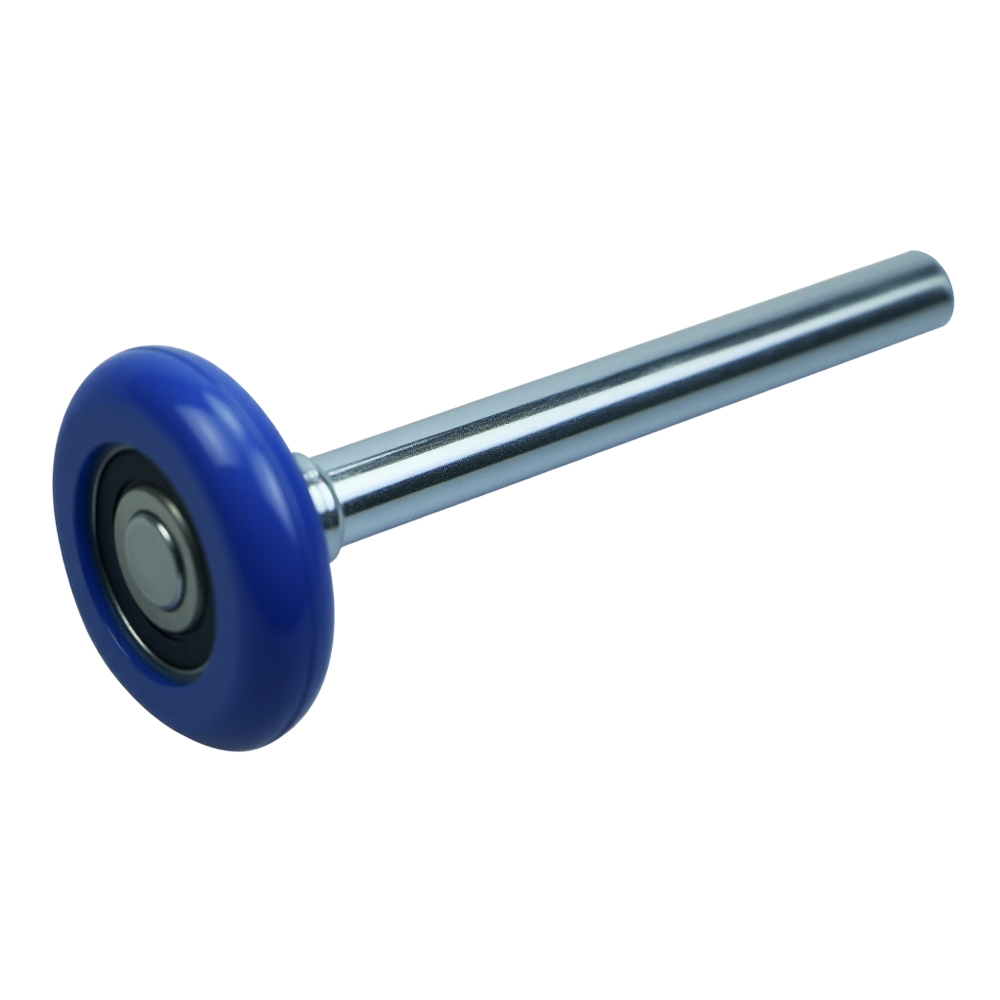
Rolling-friction mechanics and alignment stability of garage door wheels
Stable, quiet, and low-resistance movement in sliding garage door systems relies on the precise engineering of garage door wheels. By managing rolling friction, these wheels reduce operational noise and ensure consistent alignment, directly impacting the long-term reliability of the entire door assembly.
This technical review explores how garage door wheels influence friction, noise, and alignment, highlighting their essential role in the performance of modern sliding systems.
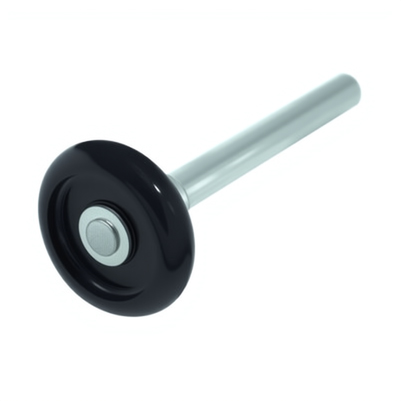
The mechanical behavior of garage door wheels is a critical factor in achieving stable, quiet, and low-resistance movement in sectional and sliding garage door systems. For door alignment engineers, the primary focus is on understanding and controlling rolling friction, as this directly influences both operational noise and the potential for misalignment. The interaction between wheel materials, track profiles, and loading conditions determines the running resistance encountered during door motion. This article examines the rolling-friction characteristics of garage door wheels, with a particular emphasis on noise generation, resistance sources, and the mechanisms that ensure consistent alignment. The following sections provide a technical exploration of wheel construction, reliability factors, and evaluation methodologies, all from the perspective of friction control and noise reduction.
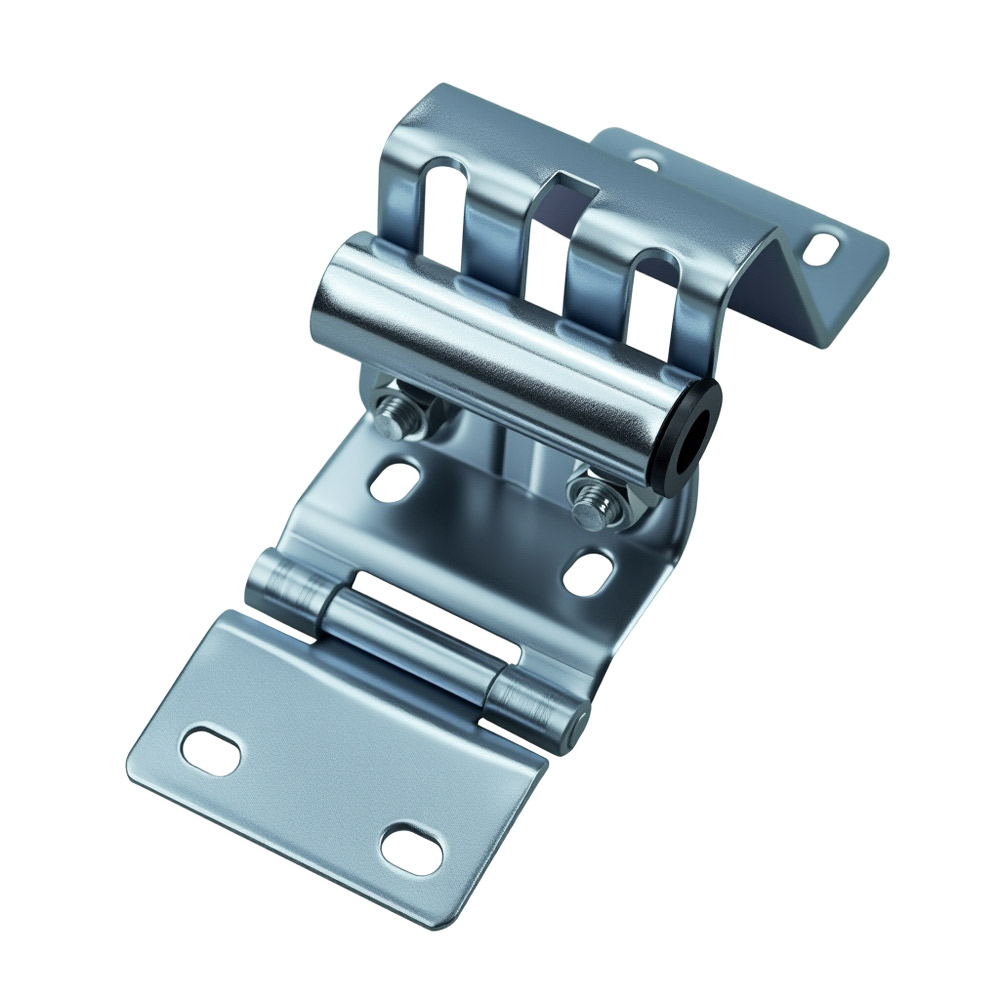
Garage door wheels are typically constructed as either solid polymer rollers, steel-sheathed wheels, or composite assemblies, each with distinct frictional properties. The wheel’s diameter, tread profile, and bearing configuration are selected to minimize rolling resistance while maintaining precise engagement with the track. In a standard sectional door system, wheels are mounted on axles affixed to hinges, guiding the door panels along a curved or straight track. The rolling interface between the wheel and track is the primary site of energy loss due to friction, which manifests as both heat and acoustic emissions.
Rolling friction in garage door wheels arises from deformation of both the wheel and the track at the contact patch. Unlike sliding friction, rolling friction is generally lower, but it is sensitive to wheel hardness, surface finish, and load distribution. For alignment engineers, the selection of wheel material is a key parameter. Nylon wheels, for example, exhibit lower noise and reduced friction compared to steel wheels, but may deform under high loads, potentially increasing resistance and causing misalignment over time. Steel wheels, while dimensionally stable, can transmit more vibration and noise.
The bearing assembly within each garage door wheel is another determinant of rolling performance. Sealed ball bearings are commonly used to reduce internal friction and prevent contamination from dust or moisture. However, inadequate lubrication or bearing wear can introduce additional resistance, leading to increased noise and the risk of wheel binding. The concentricity of the bearing relative to the wheel tread is essential for smooth rolling; any eccentricity will manifest as periodic resistance and vibration during door operation.
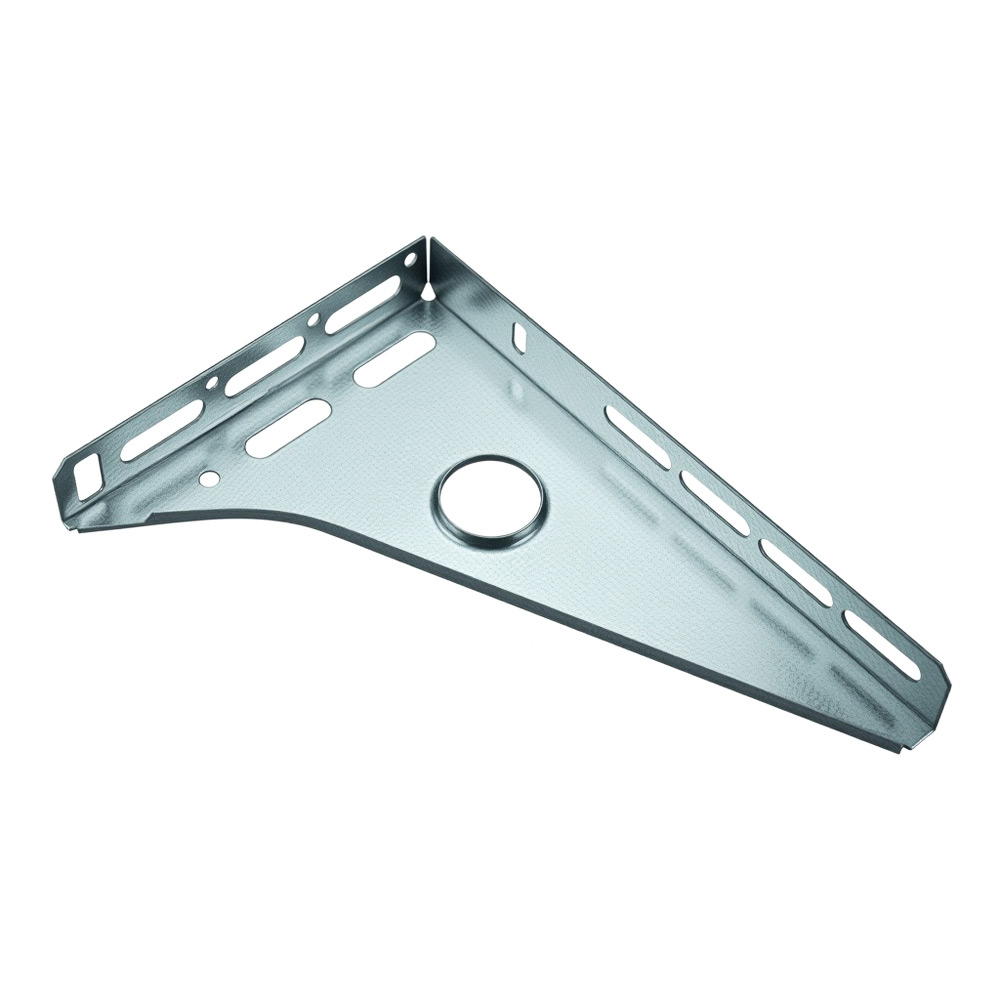
Reliability in garage door wheel performance is closely tied to the control of rolling friction and the minimization of noise. Operational resistance is not solely a function of the wheel-track interface; it is also influenced by factors such as track alignment, debris accumulation, and dynamic loading during door movement. Misalignment between the wheel and track can result in increased side loads, causing the wheel to scrub against the track flange and elevating both friction and noise. This is a core pain point for alignment engineers, as persistent running resistance can lead to uneven wear, premature wheel failure, and compromised door movement.
To address these issues, engineers must consider both the static and dynamic alignment of the door system. Static alignment involves verifying that the track is plumb, parallel, and free from deformation, ensuring that the wheels engage the track uniformly along their entire travel. Dynamic alignment focuses on the behavior of the door as it moves, monitoring for lateral displacement, oscillation, or binding events that indicate misalignment or excessive friction. Precision in wheel mounting and hinge installation is crucial, as even minor angular deviations can amplify resistance and noise.
Material selection for both wheels and tracks plays a significant role in long-term reliability. Hardened steel tracks paired with polymer wheels can offer a favorable balance between low rolling resistance and noise suppression. However, the surface roughness of the track must be controlled to prevent abrasive wear on the wheel tread. Engineers often specify a surface finish of Ra < 1.6 µm for the track contact surface to minimize micro-asperity-induced friction. Additionally, the use of corrosion-resistant coatings on steel components extends service life and maintains consistent rolling behavior.
Environmental factors such as temperature fluctuations, humidity, and exposure to chemicals can alter the frictional properties of garage door wheels. Polymer wheels may experience changes in hardness due to thermal cycling, while steel wheels are susceptible to corrosion-induced roughness. Regular inspection and maintenance, including cleaning of the track and re-lubrication of bearings, are necessary to preserve optimal rolling conditions and prevent the onset of noise and resistance.
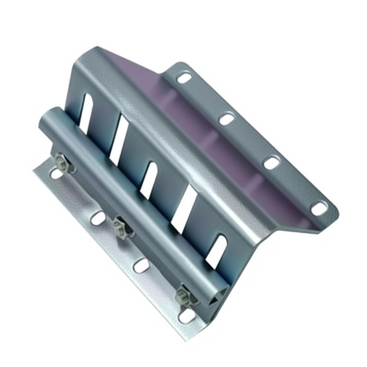
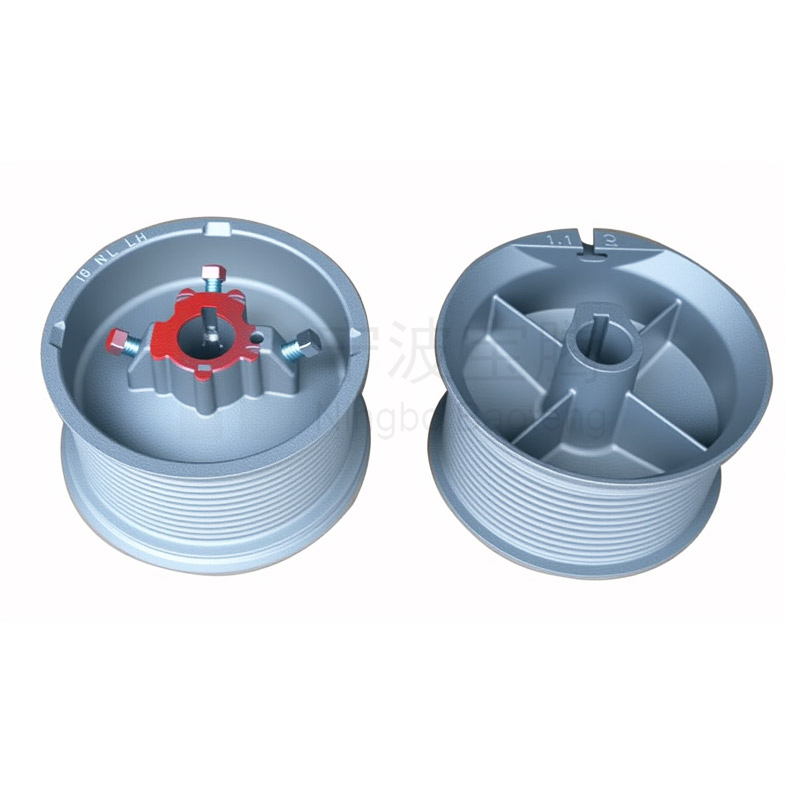
Evaluation of garage door wheel performance is conducted through a combination of static and dynamic testing. Static testing involves measuring the rolling resistance of a wheel under a specified load, typically using a force gauge to quantify the effort required to initiate and maintain movement along a representative track section. Dynamic testing assesses the behavior of the wheel during actual door operation, using accelerometers and acoustic sensors to detect vibration and noise events associated with frictional anomalies.
Engineers analyze the frequency spectrum of noise generated during rolling to differentiate between bearing noise, wheel-track interaction, and structural resonance. A well-aligned, low-friction system will exhibit minimal broadband noise and a lack of periodic vibration peaks. Any deviation from this profile indicates a potential issue with wheel roundness, bearing integrity, or track alignment. Quantitative thresholds for acceptable rolling resistance and noise levels are established based on system requirements and historical performance data.
Corrective actions following evaluation may include wheel replacement, bearing re-lubrication, track resurfacing, or realignment of the door system. The decision process is guided by the identification of the primary source of resistance or noise. For example, if the rolling resistance is within specification but noise levels are elevated, the issue may be related to bearing wear or insufficient damping in the wheel material. Conversely, elevated resistance with low noise may indicate misalignment or contamination at the wheel-track interface.
In practice, the optimization of garage door wheels for minimal friction and noise requires an integrated approach. This includes careful specification of wheel geometry, material selection, bearing quality, and track surface preparation. Engineers must also implement a rigorous inspection and maintenance regime to detect and address emerging issues before they lead to operational failures or safety hazards. The use of diagnostic tools such as laser alignment systems and vibration analyzers enhances the precision and repeatability of evaluation procedures.
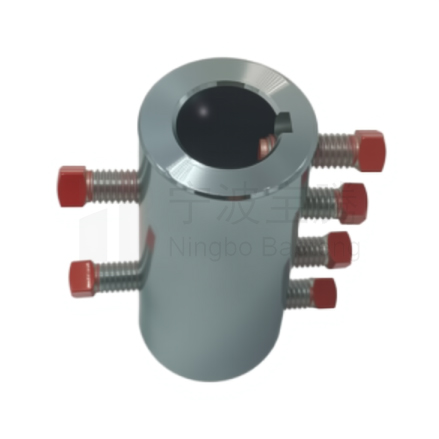
Ultimately, the performance of garage door wheels is a function of both their intrinsic design and the quality of system integration. Alignment engineers must continuously verify that wheel alignment parameters are maintained within specified tolerances to ensure optimal rolling behavior. This includes monitoring for signs of uneven wear, abnormal noise, or increased resistance during operation. Any deviation from expected performance should trigger a root cause analysis focused on friction sources and alignment integrity.
For door alignment engineers seeking to enhance sliding and rolling performance, the systematic application of friction control and noise reduction mechanisms is essential. By rigorously evaluating wheel design, installation accuracy, and maintenance practices, it is possible to achieve stable, quiet, and low-resistance movement in garage door systems. The verification of wheel alignment parameters, combined with ongoing assessment of frictional behavior, remains the cornerstone of reliable and efficient door operation.
Optimizing garage door wheels for quiet, stable, and efficient operation
For professionals specifying or maintaining garage door wheels, a focus on rolling friction, alignment, and noise reduction is essential for reliable system performance. To further enhance your understanding of component selection and installation best practices, explore the Baoteng garage door wheels product range and review technical resources on tutoriais de instalação e ensaio de carga para rolos to ensure optimal results in your next project.
 English
  Русский
  日本語
日本語  한국어
한국어  Français
  Deutsch
  العربية
  Português
  Español