

Sectional Articulation Reliability of Heavy Duty Hinges for Garage Door Roller Hinges
For garage door system designers, the reliability of heavy duty hinges and garage door roller hinges is essential to ensure safe, long-lasting operation under repeated sectional movement. Understanding how these components manage articulation stress and fatigue efficiency is key to optimizing door performance and minimizing maintenance risks.
Reliability of heavy duty hinges and garage door roller hinges under sectional articulation
In the design and engineering of sectional garage doors, the selection and evaluation of heavy duty hinges and garage door roller hinges play a pivotal role in maintaining system integrity under repeated movement. Door system designers are often confronted with the challenge of ensuring that these hinges can withstand the complex articulation stresses generated during sectional movement, while efficiently dispersing loads to prevent localized stress concentrations. The consequences of inadequate hinge selection or improper stress management manifest as premature fatigue failure, leading to costly maintenance and potential operational hazards. This article provides a technical examination of hinge reliability, focusing on the mechanisms of stress dispersion and structural fatigue efficiency within the context of sectional articulation.
Heavy duty hinges and garage door roller hinges are engineered to facilitate the relative motion between sectional door panels, guiding them along the track while accommodating the dynamic forces induced by opening and closing cycles. The articulation of each section imposes cyclic loading on the hinge assemblies, with stress patterns fluctuating as the panels transition from vertical to horizontal orientations. The mechanical interface at each hinge must therefore be robust enough to manage not only the static loads from the door mass but also the dynamic forces arising from acceleration, deceleration, and impact events during operation.
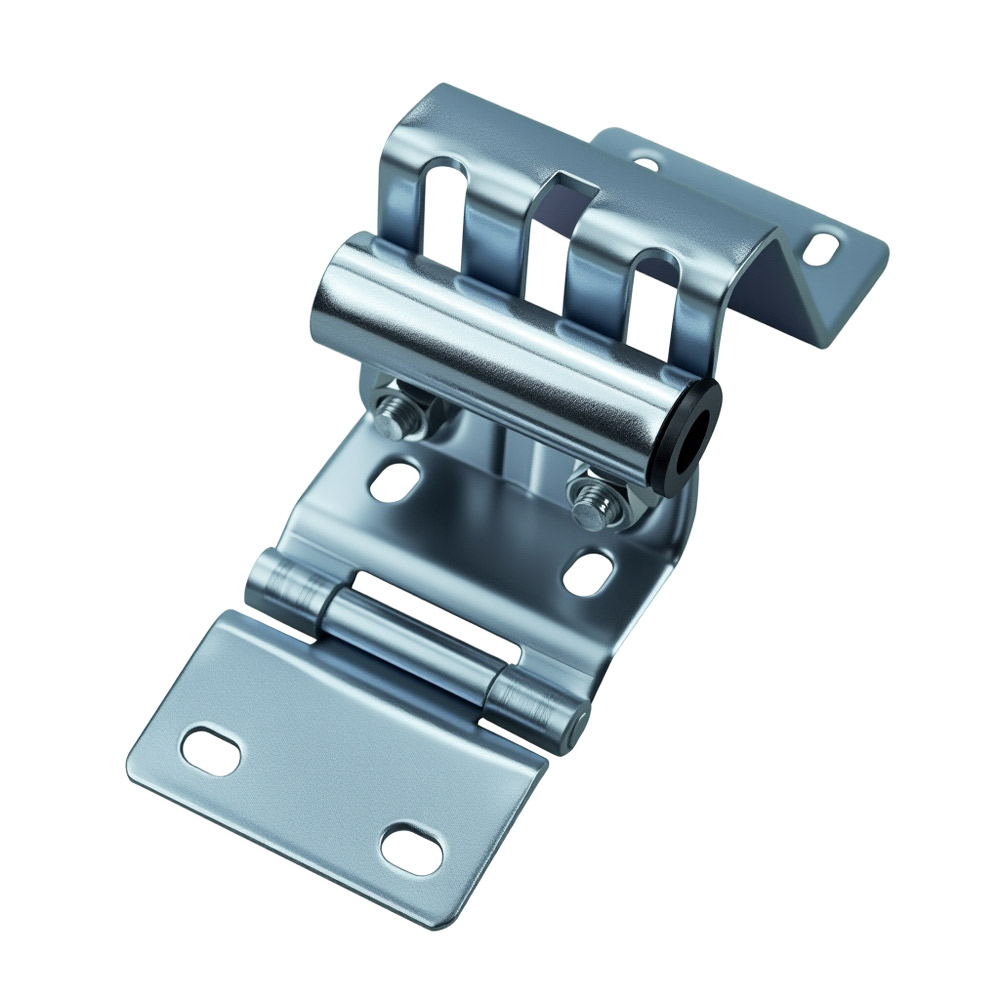
The reliability of heavy duty hinges in garage door applications is fundamentally linked to their ability to distribute articulation-induced stresses across their structural geometry. The hinge leaf, knuckle, and pin interface must collectively resist deformation, wear, and crack initiation under repeated load reversals. Material selection is critical; high-strength, low-alloy steels with appropriate surface treatments are commonly specified to enhance fatigue resistance and minimize the risk of surface-initiated cracks. The geometry of the hinge knuckle and the diameter of the hinge pin are engineered to maximize contact area, thereby reducing bearing stresses and mitigating the onset of plastic deformation.
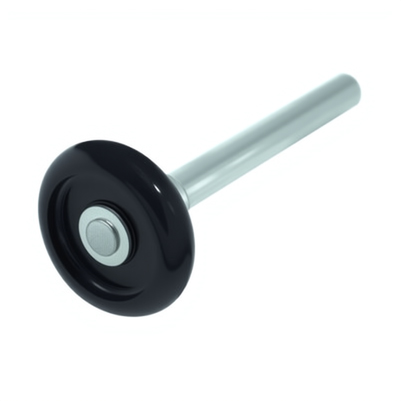
In the context of garage door roller hinges, the integration of the roller shaft with the hinge assembly introduces additional considerations. The roller not only supports lateral loads as the door traverses the track but also transmits torsional forces generated by misalignment or uneven loading. The hinge bracket must be designed to accommodate these multidirectional forces without excessive deflection, which could otherwise lead to misalignment of the door panels and increased wear on the roller bearings. Finite element analysis (FEA) is frequently employed in the design phase to simulate the stress distribution under worst-case loading scenarios, enabling engineers to identify potential failure points and optimize the hinge geometry for maximum fatigue life.
A primary concern for door system designers is the management of stress concentration at the hinge mounting points. The interface between the hinge leaf and the door panel is susceptible to localized stress intensification, particularly at fastener holes and sharp geometric transitions. To address this, hinge designs often incorporate radiused corners, increased material thickness at critical sections, and reinforcement features such as gussets or doubler plates. The fastener pattern and spacing are optimized to distribute loads over a larger area, reducing peak stresses and delaying the initiation of fatigue cracks. Proper alignment during installation is essential to ensure uniform load transfer and prevent eccentric loading, which can exacerbate stress concentrations and accelerate fatigue damage.
The operational reliability of heavy duty hinges and garage door roller hinges is further influenced by environmental factors such as temperature fluctuations, humidity, and exposure to corrosive agents. Corrosion-induced pitting can serve as a nucleation site for fatigue cracks, significantly reducing the service life of the hinge assembly. To mitigate this risk, surface coatings such as zinc plating, powder coating, or hot-dip galvanizing are applied to critical hinge components. In high-cycle environments, periodic inspection and maintenance are necessary to detect early signs of wear, deformation, or corrosion, enabling timely intervention before catastrophic failure occurs.
Evaluating the fatigue efficiency of heavy duty hinges and garage door roller hinges requires a systematic approach that considers the cumulative effects of cyclic loading, material properties, and geometric design. Laboratory testing protocols, such as accelerated life cycling and load spectrum analysis, are employed to quantify the number of cycles to failure under representative loading conditions. The S-N (stress-number) curve for the hinge material provides a baseline for estimating fatigue life, but actual performance is influenced by factors such as residual stresses from manufacturing, surface finish quality, and assembly tolerances.
In practical terms, the articulation of sectional doors imposes alternating bending and shear stresses on the hinge assemblies. The hinge pin, as the primary load-bearing element, is particularly vulnerable to fatigue crack initiation at the interface with the knuckle. Microstructural analysis of failed components frequently reveals that improper heat treatment or inclusions in the steel can act as crack initiation sites, underscoring the importance of stringent material quality control. The use of through-hardened or induction-hardened pins can significantly improve resistance to fatigue failure, especially in high-cycle applications.
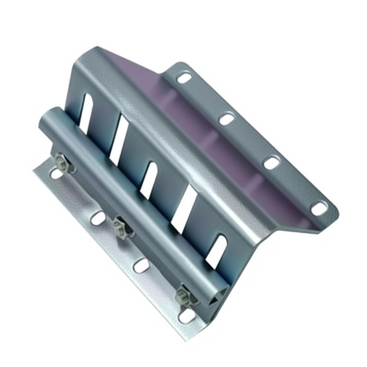
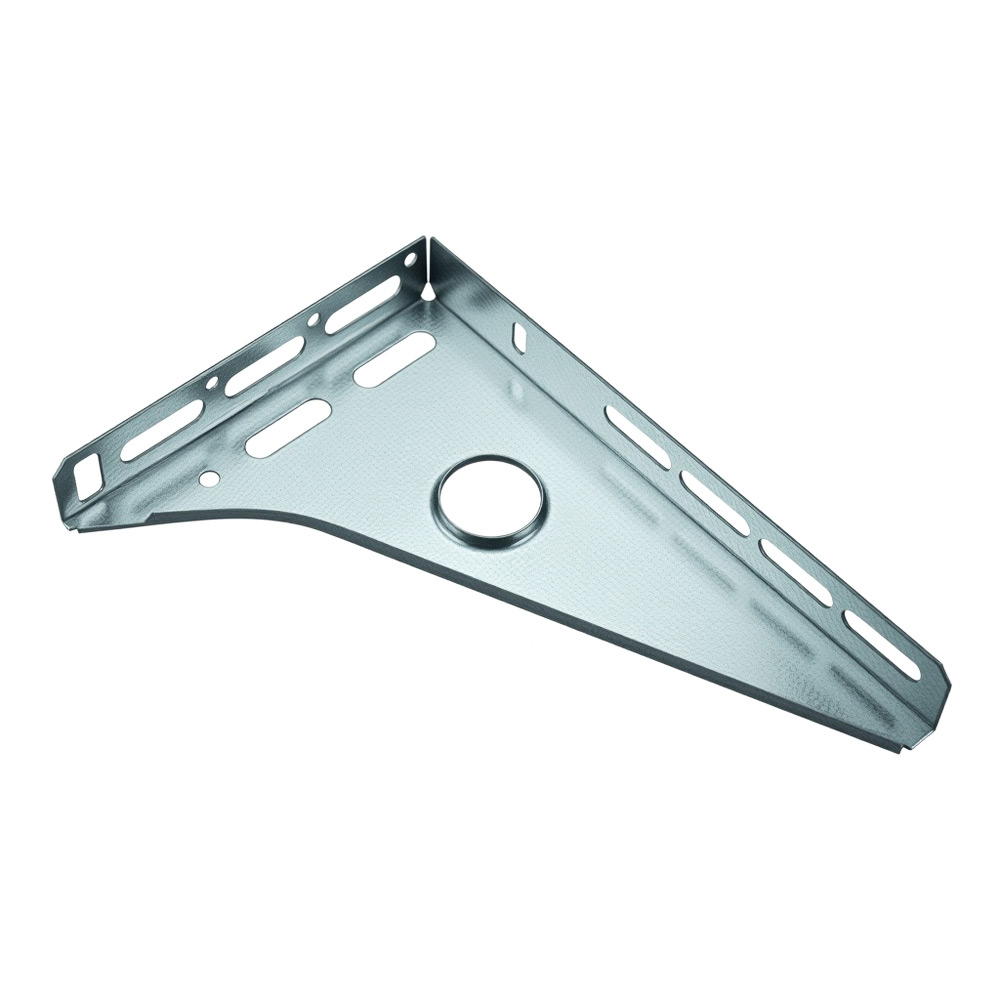
The evaluation of hinge reliability must also account for the interaction between adjacent hinges along the sectional door span. Uneven load sharing, resulting from manufacturing tolerances or installation misalignment, can lead to overloading of specific hinges and premature fatigue failure. To address this, hinge sets are often specified with graded load capacities, with heavier-duty hinges installed at the lower sections of the door where bending moments and impact forces are greatest. The use of self-aligning features and precision mounting templates during installation can further enhance load distribution and minimize the risk of stress concentration.
From the perspective of structural fatigue efficiency, the optimization of hinge design extends beyond individual component strength to encompass the holistic behavior of the door system. The articulation path, track radius, and panel geometry all influence the magnitude and direction of forces transmitted through the hinges. Computational modeling enables designers to simulate the dynamic response of the entire door assembly, identify critical stress paths, and validate the effectiveness of hinge placement and specification. In high-cycle industrial applications, the selection of oversized or custom-fabricated hinges may be warranted to achieve the desired fatigue life and operational reliability.
For door system designers focused on mitigating stress concentration and fatigue failure, the following engineering-grade verification steps are recommended. First, perform a detailed load analysis of the sectional door, accounting for door weight, panel dimensions, and anticipated cycle frequency. Select hinge materials and geometries based on calculated stress ranges and desired fatigue life, referencing material S-N curves and manufacturer test data where available. Utilize finite element modeling to assess stress distribution and identify potential areas of concern, particularly at hinge mounting points and pin interfaces. Specify corrosion protection measures commensurate with the operational environment, and establish a maintenance protocol for periodic inspection and lubrication.
During installation, employ alignment jigs and torque-controlled fastener installation to ensure uniform load transfer and minimize eccentric loading. After assembly, conduct functional testing to verify smooth articulation and absence of binding or excessive deflection. Document all design, material, and installation parameters to facilitate future maintenance and failure analysis.
Achieving robust fatigue efficiency in heavy duty hinges for garage door roller hinges
In summary, the technical evaluation of heavy duty hinges and garage door roller hinges for sectional doors demands a rigorous engineering approach centered on the principles of stress dispersion and structural fatigue efficiency. By addressing the core pain point of stress concentration and fatigue failure through informed material selection, geometric optimization, and precise installation, door system designers can achieve robust, long-lasting hinge performance under demanding operational conditions. Verification of hinge parameters using engineering-grade safety checks is essential to ensure ongoing reliability and safety throughout the service life of the door system.
For further technical documentation and engineering guidance on garage door hardware, refer to the Baoteng technical documentation or explore resistência à corrosão para dobradiças for best practices in fatigue life extension.
 English
  Русский
  日本語
日本語  한국어
한국어  Français
  Deutsch
  العربية
  Português
  Español