
Spring Loaded Gate Latch Comparison
Reference Standard: Relevant material and performance testing standards for galvanized hardware include ASTM B117 salt spray practice e ISO 9227 corrosion testing guidance. These standards are relevant for discussion only; the catalog data for this latch record does not confirm any salt spray grade, cycle count, spring force, or bolt travel value.
Short Answer
For a buyer, this makes the product a comparison problem rather than a simple selection problem. The visible latch data can define the metal housing and bar boundary, while the unconfirmed spring-loaded data must become a factory confirmation item before the latch is specified for gate, garage door, industrial door, or outdoor closure use. Buyers should use the measured catalog record as the starting point and ask for missing spring and bolt data before treating any model as a verified spring loaded bolt latch.
When a Gate Latch Becomes a Motion Stop Instead of a Lock Name
A gate latch is often described as a lock, but in actual use it also acts as a motion stop. The latch does not merely hold a closed position; it receives the last part of door movement, absorbs alignment error, guides the bar into its receiving position, and keeps the door from drifting open under vibration or repeated handling. This is why the catalog data matters even when it looks basic. The recorded latch family includes BT-L701 Industrial Latch Lock com 1.5 mm case thickness, 4 mm bar thickness, e 103 mm fixing-hole center line; BT-L702 Residential Latch com 1.5 mm case thickness, 4 mm bar thickness, e 83 mm fixing-hole center line; e BT-L704 Industrial Latch com 2.0 mm case thickness, 4.0 mm bar thickness, e acabamento galvanizado.
The comparison is not between “good” and “bad” latch names. It is between how much verified structure the buyer can see and how much performance still needs confirmation. A 1.5 mm case can define the metal shell thickness, but it does not prove impact resistance. A 4.0 mm bar identifies a bar dimension, but it does not prove pull resistance. A 103 mm ou 83 mm fixing-hole center line helps locate the mounting interface, but it does not prove that the latch will fit every old gate or garage door. A acabamento galvanizado indicates a corrosion-protection route, but it does not confirm salt spray duration or long-term outdoor life.
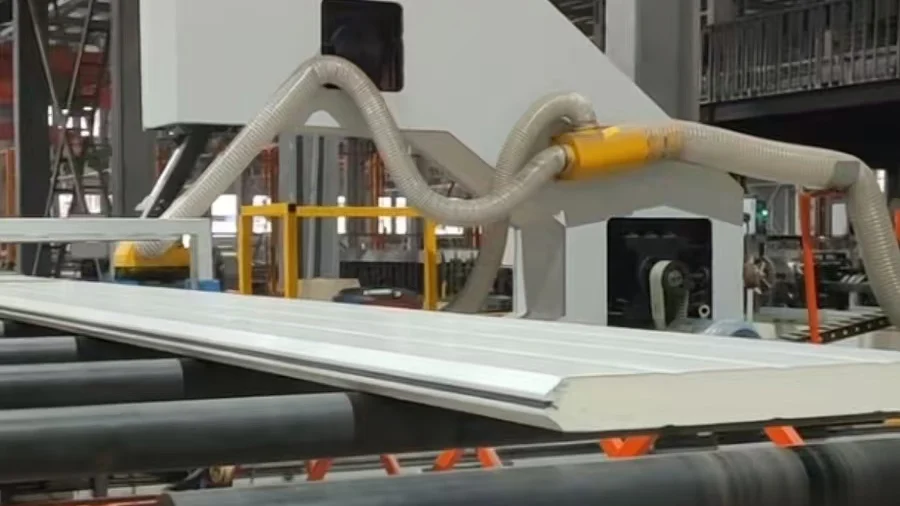
An edge extreme scenario can be modeled as a lightweight gate exposed to humidity, dust, and daily closing impact. During the first stage, the latch housing mainly experiences contact pressure and small alignment shifts. In the middle stage, repeated closing can increase friction around the bar path if the door frame sags or if mounting screws loosen. In the extreme stage, the latch may no longer behave like a clean locking device; it becomes a forced stop where the bar, housing, fasteners, and receiving point carry more stress than intended. The catalog values remain useful in this model because case thickness e bar thickness are real boundaries, but they still do not replace verified spring-loaded performance data.
A cross-dimensional comparison test would place a measured latch record beside a field-use assumption. The measured side includes 1,5 mm, 2.0 mm, 4.0 mm, 83 mm, 103 mm, e acabamento galvanizado. The assumption side includes return force, bolt diameter, spring fatigue life, and corrosion endurance. The first group is supported by catalog observation; the second group must be requested from the factory. This split keeps the article technically useful without inventing data.
Spring Loaded Bolt Latch Installation Check as a Geometry Audit
The first closing cycle should be treated as a geometry audit, not as a strength claim. A spring loaded bolt latch installation check should observe whether the door reaches the latch without side pressure, whether the bar enters the receiving position without scraping, whether the case sits flat on the mounting surface, and whether the fixing points remain stable after the closing action. This is a different comparison from simply asking whether a latch is industrial or residential. It compares the visible motion path against the confirmed catalog dimensions.
The catalog record gives two fixing-hole center line values in the latch group: 103 mm for BT-L701 Industrial Latch Lock and 83 mm for BT-L702 Residential Latch. These values can guide an installation check, but they should not be stretched into a universal mounting claim. If an old gate or garage door has existing holes that differ from these center lines, the installer may be forced into redrilling, adapter planning, or model selection review. The same principle applies to thickness. 1.5 mm case thickness e 2.0 mm case thickness can help compare housing form, while 4.0 mm bar thickness can help compare the bar interface. None of these values alone proves that a latch can tolerate a specific shock load.
A realistic edge scenario involves a metal gate that closes slightly out of plane. At the initial stage, the bar may still enter the receiver, but the contact line is not centered. At the middle stage, small rubbing marks can appear because the bar is carrying side contact instead of only axial movement. At the extreme stage, the latch can feel tight not because the spring is strong, but because the geometry is forcing the bar against the housing or receiver. If the product is being purchased as a spring loaded bolt latch, the buyer should ask the factory to confirm bolt travel and return action under mounted conditions, because the catalog does not confirm stroke or return force.
| Comparison Item | Confirmed Catalog Basis | What It Can Support | What It Cannot Prove |
|---|---|---|---|
| Case thickness | 1.5 mm or 2.0 mm | Housing dimension review | Impact load rating |
| Bar thickness | 4.0 mm | Bar interface comparison | Pull resistance value |
| Fixing-hole center line | 83 mm or 103 mm | Mounting layout review | Universal retrofit fit |
| Finish route | Galvanized on BT-L704 | Surface protection discussion | Salt spray duration |
| Spring-loaded behavior | Not confirmed | RFQ question planning | Spring force or cycle life |
A cross-dimensional comparison test can be built around “closing sound versus measured alignment.” A quiet close may still be poorly aligned if the bar is only lightly touching the receiver, while a noisy close may come from door mass rather than latch weakness. For this reason, inspection should combine visual alignment, case flatness, bar movement, and fixing point stability. This avoids the common mistake of turning one successful closing action into a false strength conclusion.
KEY TAKEAWAYS
- A smooth first close does not prove spring force, bolt stroke, or cycle durability.
- 83 mm e 103 mm fixing-hole center lines should be checked against the actual door interface before ordering.
- 1,5 mm, 2.0 mm, e 4.0 mm are structural references, not automatic load ratings.
Missing Spring Data Changes the Buyer Question Before It Changes the Product
A spring loaded gate latch becomes difficult to evaluate when the catalog confirms latch geometry but does not confirm spring-loaded behavior. The catalog record does not state spring material, spring force, bolt diameter, bolt stroke, cycle test result, pull resistance, or salt spray rating for the spring-loaded structure. That absence should not be treated as a defect claim. It should change the buyer’s question from “Is this a latch?” to “Which performance data must the factory confirm before the latch is used as a spring loaded bolt latch?”
This matters because a spring mechanism changes the risk profile. In a simple sliding latch, the user controls most of the movement. In a spring-loaded design, stored elastic energy returns the bolt or bar toward a default position. The spring material, wire diameter, heat treatment, free length, working deflection, and corrosion exposure can all affect return behavior. Since those values are not confirmed in the catalog record, the only responsible method is to separate visible latch dimensions from unverified spring performance. The buyer can compare BT-L701, BT-L702, e BT-L704 through case thickness, bar thickness, fixing-hole center line, and finish route, but not through spring force.
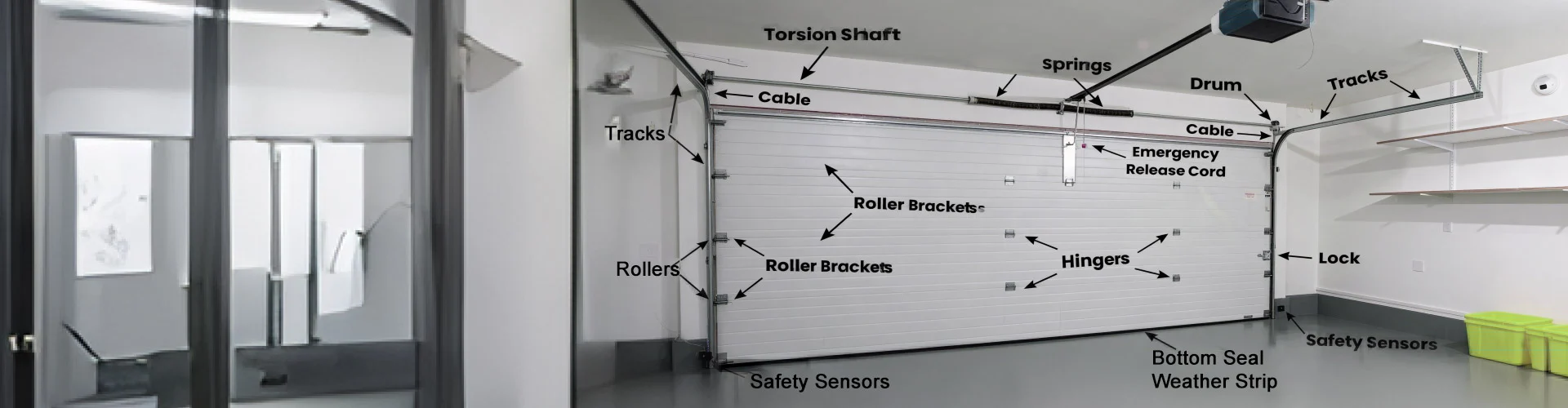
An edge extreme scenario involves an outdoor gate exposed to rain, airborne dust, repeated vibration, and hand operation. During the initial stage, a clean spring-loaded action may feel reliable. During the middle stage, dust and moisture can increase friction along the bolt path, so the spring may need to overcome more resistance than it did during sample handling. During the extreme stage, corrosion products or housing distortion can reduce return consistency. This model does not claim that the catalog latch will fail in that way. It explains why missing spring material, bolt diameter, stroke, and corrosion data must be requested before the buyer treats the product as verified for outdoor spring-loaded use.
A cross-dimensional comparison test should compare procurement language with engineering language. Procurement language may say “spring loaded gate latch,” while engineering language should ask for return force range, bolt travel, mounted cycle testing, corrosion requirement, and sample installation photos. If those items are not available, the safer specification is to write them as RFQ requirements. For example, the buyer may ask the factory to confirm the spring material, bolt diameter, working stroke, return force after repeated operation, and corrosion test expectation for the intended environment. This keeps the product discussion grounded in confirmed data while still moving the purchase process forward.
The internal purchasing page or category page can also support the selection route. Buyers reviewing related garage door hardware can start from the main Baoteng door hardware product source and then request the missing spring-loaded details model by model. This avoids the common mistake of using one catalog picture as the only selection document.
From Catalog Latch Record to Factory Confirmation Sheet
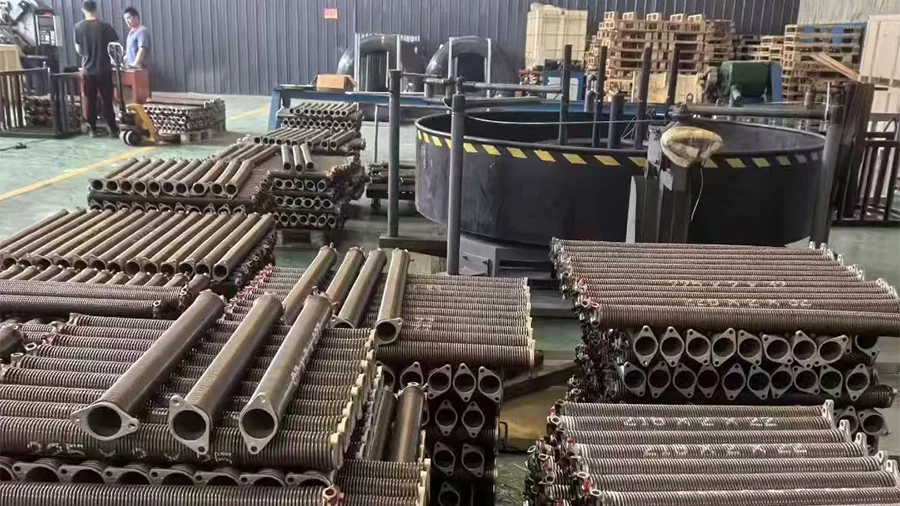
The best way to compare a spring loaded gate latch is to convert the catalog record into a factory confirmation sheet. The confirmed side should include the data already visible in the latch group: BT-L701 Industrial Latch Lock, 1.5 mm case thickness, 4 mm bar thickness, 103 mm fixing-hole center line; BT-L702 Residential Latch, 1.5 mm case thickness, 4 mm bar thickness, 83 mm fixing-hole center line; e BT-L704 Industrial Latch, 2.0 mm case thickness, 4.0 mm bar thickness, e acabamento galvanizado. The unconfirmed side should include spring material, bolt diameter, stroke, return force, cycle test, corrosion requirement, screw type, installation torque, mounted pull resistance, and packaging protection.
Solution 1: Build a catalog-to-RFQ data sheet. The execution protocol is to list every confirmed catalog value in one column and every missing spring-loaded value in another column. The buyer should not merge the two groups. The material expectation is better traceability because case thickness, bar thickness, e hole center line remain measurable items, while spring force and stroke remain factory-provided items. The hidden cost is slower quotation, but the risk is lower than ordering a spring-loaded latch based only on name similarity.
Solution 2: Require a sample installation check. The execution protocol is to mount the sample on a representative door edge, close it repeatedly, and observe case flatness, bar entry, return behavior, and receiver contact. The expected material change is not a change in alloy, but a clearer understanding of how the 4.0 mm bar behaves under alignment pressure. The hidden cost is fixture preparation, but the benefit is that geometry errors appear before bulk purchase.
Solution 3: Add surface and corrosion review for outdoor use. The execution protocol is to ask whether the finish route is galvanized and whether any salt spray or humidity exposure data exists. The expected material behavior is that a galvanized surface can provide sacrificial protection when intact, but exposed edges and rubbed areas may behave differently over time. The hidden cost is additional testing or documentation, but the benefit is more realistic outdoor risk control.
Solution 4: Confirm packaging and handling protection. The execution protocol is to check whether latches are separated, wrapped, or protected from metal-to-metal abrasion during shipment. The expected material behavior is reduced surface scratching before installation, especially where galvanized surfaces or sliding interfaces are exposed. The hidden cost is packing material and inspection time, but the benefit is lower chance of receiving parts with avoidable cosmetic or functional damage.
| Factory Confirmation Item | Confirmed or Not Confirmed | Practical Acceptance Logic | Buyer Action |
|---|---|---|---|
| Case thickness | Confirmed as 1.5 mm or 2.0 mm in related latch records | Measure sample against catalog record | Confirm model before order |
| Bar thickness | Confirmed as 4.0 mm in related latch records | Check bar movement and receiver entry | Validate with sample installation |
| Fixing-hole center line | Confirmed as 83 mm or 103 mm in related records | Compare against door layout | Request drawing or measured photo |
| Galvanized finish | Confirmed for BT-L704 | Review surface and outdoor exposure need | Ask for corrosion requirement |
| Spring force | Not confirmed in catalog | Cannot be assumed | Request factory data |
| Bolt stroke | Not confirmed in catalog | Cannot be assumed | Request sample measurement |
| Cycle test | Not confirmed in catalog | Cannot be assumed | Define project requirement |
PRO-TIP / CHECKLIST
- Confirm whether the requested model is a latch record, a spring-loaded latch, or a spring loaded bolt latch.
- Check case thickness before using the part in a high-frequency closing location.
- Compare the 83 mm ou 103 mm fixing-hole center line against the real door interface.
- Ask the factory for spring material, bolt diameter, stroke, and return force if spring-loaded action is required.
- Treat galvanized finish as a finish route, not as a confirmed salt spray rating.
- Request sample photos or mounted test feedback before bulk ordering.
- Inspect bar movement, burrs, surface scratches, and packaging separation after receiving samples.
Perguntas frequentes (FAQ)
How to manually close a garage door with a latch installed?
Close the door slowly and watch whether the latch bar enters the receiving position without side pressure. Do not force the door if the bar scrapes or binds. A latch with 4.0 mm bar thickness still needs correct geometry, not only material strength.
How much does it cost to fix a garage door latch issue?
Cost depends on whether the issue is hole alignment, latch replacement, surface corrosion, door sag, or missing spring-loaded specifications. The catalog confirms dimensions such as 83 mm e 103 mm fixing-hole center lines, but labor, screws, and mounted pull resistance are not confirmed.
How much to replace garage door springs when the latch also has spring-loaded action?
Garage door springs and latch springs are different components. The catalog latch record does not confirm spring material, return force, or cycle life for the latch. A buyer should not use garage door spring replacement pricing to estimate spring loaded bolt latch performance.
How to replace a garage door spring and check the latch at the same time?
Spring replacement should be handled with proper safety procedures by qualified personnel. For the latch, check case thickness, bar movement, fixing-hole center line, and receiver alignment separately. The latch data does not confirm garage door spring specifications or lifting force.
How to insulate a garage door without affecting latch operation?
Keep insulation clear of the latch path, receiver area, and moving bar. Added insulation can change door thickness, edge clearance, and closing pressure. After installation, perform a closing-cycle geometry check rather than assuming the latch still aligns correctly.
How to pair a LiftMaster garage door opener with latch hardware?
Pairing an opener is an electrical control task, while latch selection is a mechanical interface task. Before automated operation, confirm that the latch does not obstruct door travel and that any spring-loaded bolt action is intentionally compatible with the opener setup.
 English
  Русский
  日本語
日本語  한국어
한국어  Français
  Deutsch
  العربية
  Português
  Español