
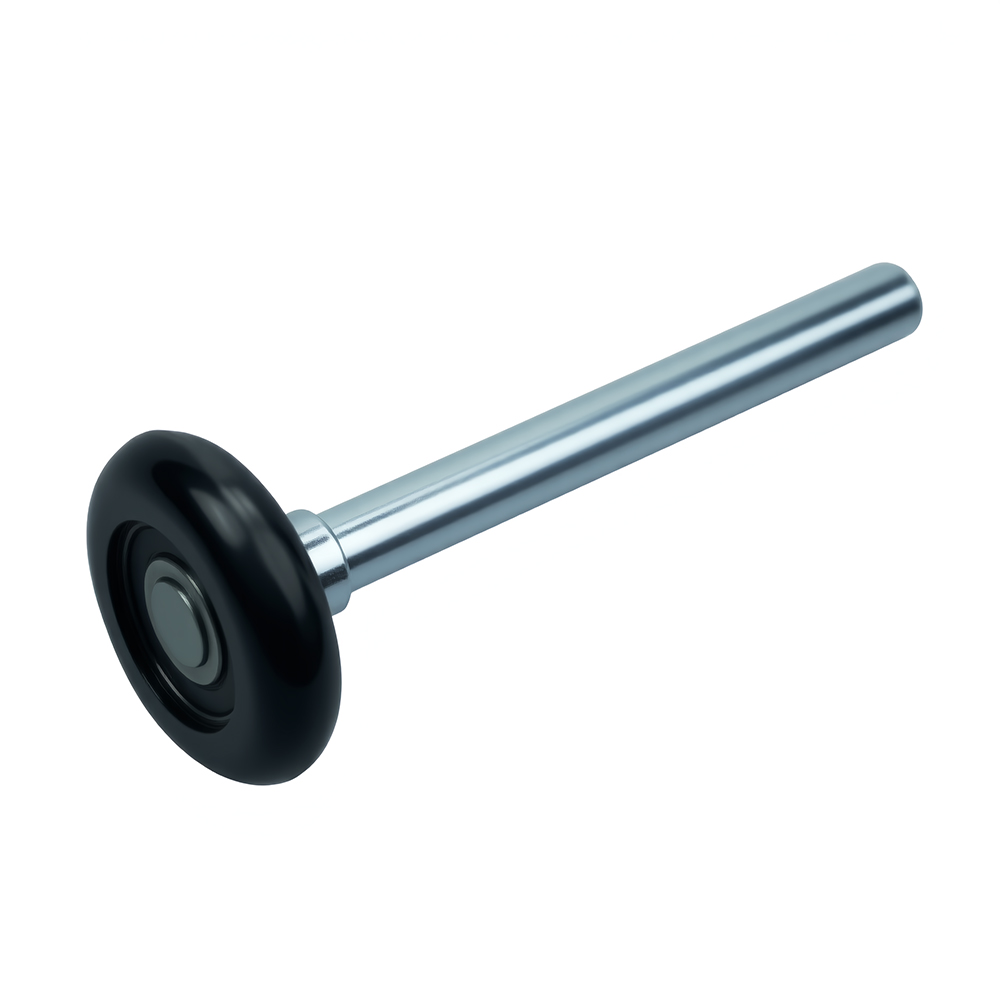
Reliability Analysis of Track Bearing Roller and Nylon Gate Wheels in Sliding Gate Systems
Consistent performance in sliding gates relies on the careful selection and evaluation of rolling components. Track bearing roller and nylon gate wheels play a crucial role in minimizing operational noise and maintaining precise alignment, directly impacting the mechanical efficiency and structural rigidity of the system.
This article examines the technical behavior of these components, focusing on rolling friction, noise control, and alignment stability—key factors for engineers seeking to optimize sliding gate assemblies using track bearing roller and nylon gate wheels.
Sliding gate systems demand consistent performance under varying operational loads, with particular emphasis on minimizing unwanted noise and maintaining precise alignment. The selection and application of rolling components such as track bearing rollers and nylon gate wheels are central to achieving these objectives. For engineers tasked with the alignment and reliability of door systems, the interplay between rolling friction, structural rigidity, and component design directly influences both the acoustic profile and the long-term stability of the installation. This analysis systematically examines the technical characteristics of track bearing rollers and nylon gate wheels, focusing on their frictional behavior, structural integration, and the resultant impact on noise and alignment deviation during sliding and rolling operations.
Track bearing rollers and nylon gate wheels are engineered to facilitate smooth translational motion along predefined tracks, supporting both the static and dynamic loads imposed by sectional or sliding gates. The primary function of these components is to convert sliding friction, which is inherently higher and more variable, into rolling friction, which is lower and more predictable. This conversion is achieved through the precise geometry of the roller or wheel, the quality and type of bearing used, and the surface finish of both the rolling element and the track interface.
Track bearing rollers are typically constructed from hardened steel or stainless steel, with the bearing assembly either integrated or separately housed. The bearing’s internal geometry, including the number and size of balls or rollers, the cage material, and the lubrication regime, all contribute to the frictional characteristics and load-bearing capacity. In contrast, nylon gate wheels utilize high-density polymer materials for the wheel body, often paired with a steel or brass bearing insert. Nylon’s inherent self-lubricating properties and lower modulus of elasticity provide a distinct advantage in noise attenuation, but may introduce compliance that affects alignment under high load or impact conditions.
The rolling friction coefficient for both component types is a critical parameter. For steel track bearing rollers, values typically range from 0.002 to 0.005 under proper lubrication, while nylon gate wheels may exhibit slightly higher coefficients, particularly in dry or contaminated environments. However, the softer contact interface of nylon reduces impact noise and vibration transmission, a key consideration in installations where acoustic performance is paramount. The trade-off between rigidity and damping must be carefully evaluated based on the specific application requirements.
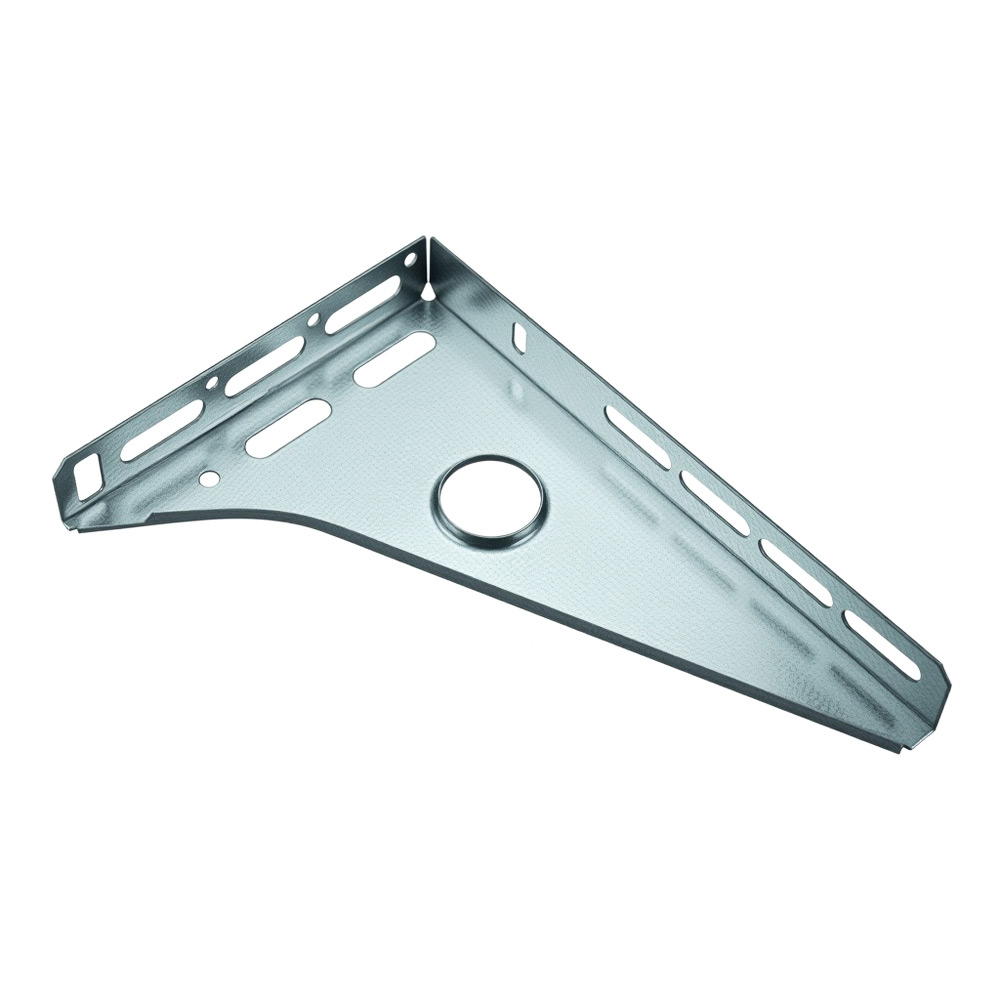
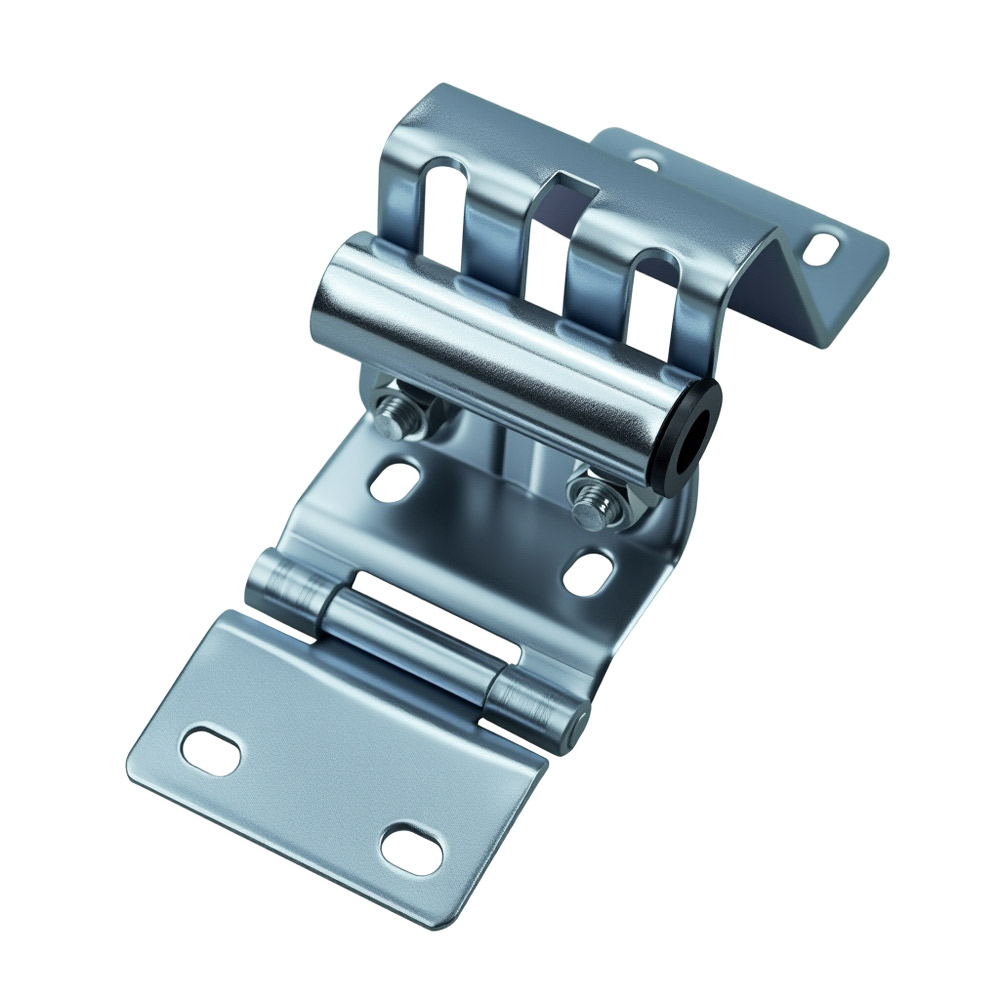
Reliability in rolling components is fundamentally linked to their ability to maintain consistent rolling friction and structural support over time. For track bearing rollers, the primary failure modes include bearing fatigue, surface pitting, and misalignment-induced edge loading. Bearing fatigue is accelerated by inadequate lubrication, contamination ingress, or excessive dynamic loading, all of which increase rolling resistance and generate noise. Surface pitting, often the result of repeated high-stress cycles, can further exacerbate noise levels and contribute to alignment drift as the rolling path becomes irregular.
Nylon gate wheels, while less susceptible to metal fatigue, are vulnerable to creep deformation and abrasive wear, particularly when subjected to sustained loads or aggressive environmental conditions. The viscoelastic nature of nylon allows for energy dissipation, reducing noise, but also introduces the risk of permanent deformation if the material yield point is exceeded. This can manifest as increased rolling resistance, eccentric rotation, or off-axis loading, all of which compromise alignment stability.
Noise generation in sliding gate systems is primarily the result of micro-vibrations at the rolling interface, impact events due to misalignment, and resonance amplification through the gate structure. Track bearing rollers, with their higher modulus and metallic contact surfaces, are prone to transmitting high-frequency vibrations unless isolated by elastomeric bushings or dampers. Nylon gate wheels, conversely, absorb a portion of this vibrational energy, resulting in a lower acoustic signature but at the potential cost of reduced dimensional stability.
Alignment deviation is a critical pain point for door alignment engineers, as even minor misalignments can lead to uneven load distribution, accelerated wear, and increased rolling resistance. The rigidity of track bearing rollers supports precise alignment, provided the track is properly installed and maintained. However, any deviation in track geometry or mounting tolerances can induce skewed loading, causing the roller to ride unevenly and generate both noise and frictional losses. Nylon gate wheels are more forgiving of minor track irregularities due to their compliance, but this same compliance may allow for progressive misalignment under repeated cycling.
A technical evaluation of rolling components must consider not only the initial performance metrics but also the long-term effects of wear, environmental exposure, and maintenance regimes. For track bearing rollers, periodic inspection of bearing preload, lubrication levels, and track surface finish is essential to sustain low rolling friction and prevent noise escalation. The use of sealed or shielded bearings can mitigate contamination ingress, while precision-ground track surfaces reduce the likelihood of localized stress concentrations that lead to pitting.
Nylon gate wheels require monitoring for signs of flattening, eccentric wear, and material degradation. UV exposure, chemical attack, and thermal cycling can all accelerate the aging process of nylon, leading to embrittlement or loss of elasticity. Engineers should specify UV-stabilized and chemically resistant grades where outdoor or harsh environments are anticipated. Replacement intervals should be determined based on observed wear rates and criticality of alignment precision in the application.
From a friction control and structural rigidity perspective, the optimal selection between track bearing rollers and nylon gate wheels is application-dependent. High-load, high-cycle installations with stringent alignment requirements benefit from the rigidity and precision of steel bearing rollers, provided noise can be managed through secondary damping measures. Installations prioritizing acoustic comfort and moderate load capacity may favor nylon gate wheels, with the understanding that regular inspection and timely replacement are necessary to prevent alignment drift and increased rolling resistance.
In both cases, the interface between the rolling component and the track is a locus of potential failure. Engineers must ensure that track profiles are dimensionally consistent, free of burrs or corrosion, and properly aligned throughout the gate travel. Misalignment at the interface not only increases rolling friction but also amplifies noise and accelerates component degradation. Lubrication practices should be tailored to the component material: mineral or synthetic greases for steel rollers, and compatible dry or PTFE-based lubricants for nylon wheels to avoid chemical incompatibility.
Advanced diagnostic techniques, such as vibration analysis and acoustic monitoring, can provide early warning of emerging friction or alignment issues. These methods enable engineers to detect subtle increases in rolling resistance or changes in noise signature before they manifest as functional failures. Data collected from such monitoring should inform maintenance schedules and component selection for future installations, closing the loop between field performance and engineering design.
For door alignment engineers, the persistent challenge remains the mitigation of noise and alignment deviation without sacrificing structural rigidity or increasing maintenance complexity. The technical evaluation of track bearing rollers and nylon gate wheels must therefore be grounded in a comprehensive understanding of rolling friction behavior, material properties, and the dynamic interactions within the gate system. Only through rigorous specification, installation, and ongoing assessment can reliable, quiet, and precisely aligned sliding gate systems be achieved.
Verify component parameters for engineering-grade safety assurance by conducting detailed inspections of rolling interfaces, monitoring frictional performance, and ensuring that all structural tolerances are maintained within design specifications. For every installation, prioritize the alignment of tracks and the selection of rolling components based on documented friction coefficients, material fatigue limits, and environmental compatibility. This technical diligence is essential for minimizing noise, preventing alignment deviation, and sustaining the long-term reliability of sliding gate assemblies employing track bearing roller and nylon gate wheels.
For additional technical documentation and installation guidelines on rolling components, refer to the Baoteng Technical Documentation and explore Tutoriais de instalação for best practices in maintaining optimal performance of track bearing roller and nylon gate wheels in sliding gate systems.
 English
  Русский
  日本語
日本語  한국어
한국어  Français
  Deutsch
  العربية
  Português
  Español