

garage door Brackets
Many facility managers and sourcing agents struggle when garage door hardware begins to flex, corrode, or rattle once seasonal humidity rises or high cycle doors start working. Reliable garage door brackets promise stronger load transfer, safer spring layout, and easier replacement routines. The answer is to apply engineered galvanized brackets that match track geometry, seal retention, and torsion mounting so every panel stays aligned. Start with understanding how each bracket family performs and then match it to the daily duty of the door. Let knowledge guide every sourcing decision.
1. What garage door brackets really do
Garage door brackets are structural transition parts that connect moving door panels, torsion shaft systems, tracks, weather seals, and auxiliary hardware so a sectional or overhead door can open smoothly while loads remain distributed into the door frame. They are designed for metal doors in home garages, light commercial workshops, and industrial facilities that run dozens of cycles each day. A bracket in this context is not decorative. It is a stamped, welded, or formed steel or aluminum component with predefined hole patterns, slots, and sometimes integrated safety retainers. The geometry is set so installers can fasten it quickly without field cutting which shortens installation time and keeps alignment repeatable.
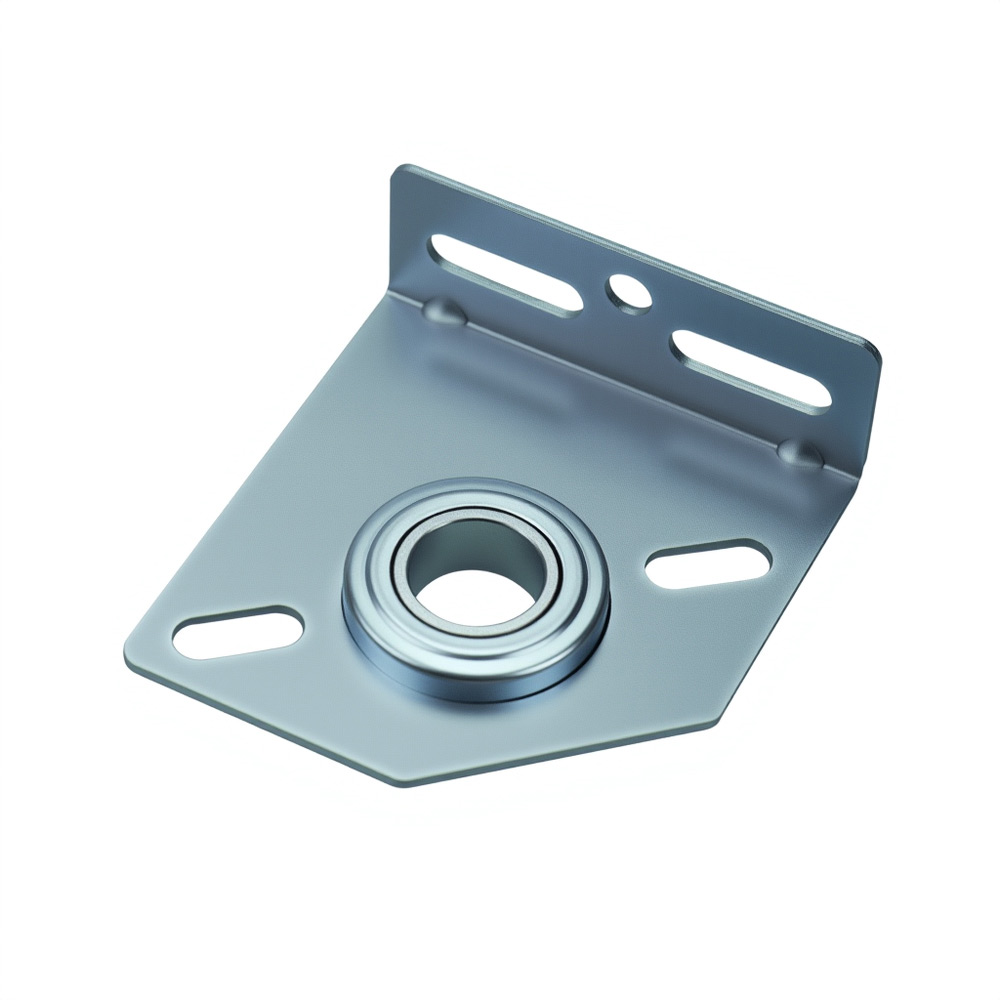
In modern overhead door projects the bracket system is grouped into four big roles. There are top brackets that hold rollers and define panel clearance. There are bottom or lift brackets that secure lifting cables and integrate safety stops. There are bearing brackets that stabilize the torsion shaft at center or at the ends. Finally there are track and angle brackets that tie vertical or curved tracks to jambs or steel frames. Each group uses similar raw materials such as galvanized mild steel or thicker 4.0 millimeter plates for industrial loads. Designers prefer hot dip or pre galvanized coatings because corrosion resistance improves long term cycling and reduces squeaks.
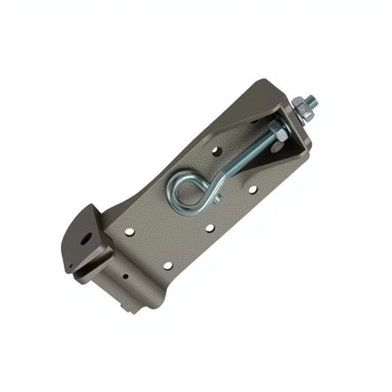
Because garage doors operate with steel torsion springs, torsion torque is high at the shaft supports. That is why torsion spring brackets and center bearing plates often adopt reinforced corners, multi hole layouts, or dual layer designs. These keep bolts from tearing out when a spring fails. It is normal in industrial doors to add a spring break safety device or cable break solution beside the brackets to protect human operators. See how anti corrosion coating lines are organized for door hardware in the guide at this material durability page. Procurement teams often compare these coating steps when evaluating hardware.
When doors are insulated or panel skins become thicker than standard, installers need brackets with more depth or adjustable slots. Adjustable bracket families accept track misalignment, opener offset, or unusual frame widths. For home garages this creates a simple experience because the door can be tuned after years of service without welding. Manufacturers often perform tensile or impact tests to ensure consistent quality. During processing, tension control on bending stations decides final flatness and therefore influences how well the door panel closes. Understand quality control standards applied to repetitive metal components to keep sourcing consistent. :contentReference[oaicite:0]{index=0}
2. How garage door bracket programs are built for sourcing teams
In a typical bracket program for garage doors the supply side works from a master list of stamped parts. This list includes angle track hangers, flag shaped angle irons, top roller brackets, bottom lift brackets, torsion spring support brackets, bearing plates, safety stop brackets, and several classes of hinges. Tooling is created so blanking, punching, and slotting stay accurate even when buyers request different galvanizing layers or slight changes in hole distance. Heavy residential brackets usually stay between 2.0 and 2.5 millimeter thickness while industrial side hinges and center bearing plates go up to 4.0 millimeter plate. Most factories will keep coil width ready for both levels so lead time is short.
For garage door brackets in overseas markets program flexibility is important. Buyers in Europe ask for wider safety bottom brackets with cable lock features while North American buyers may prioritize adjustable top brackets that work with torsion or extension spring systems. This is solved with modular design. A plant will punch universal patterns and combine them with add on guards or different cable eyelets. It means the same production line can deliver bottom brackets such as the two inch safe bottom model at this link or the quick stop adjustable bracket at this link without halting the line.
Progressive dies remain the heart of high volume brackets. During stamping runs operators monitor burr size, slot width, and alignment of mounting faces. Most industrial fixtures undergo a forty eight hour neutral salt spray or accelerated corrosion exposure to verify adhesion of zinc coating before they are packed. This test practice is not exotic. It is simply how metal hardware producers avoid premature rust in seaside or humid climates. Buyers usually compare two surface samples under different pre treatment methods before confirming bulk orders. That experience sentence holds true for the garage door sector and is a quiet but strong signal of real field work.
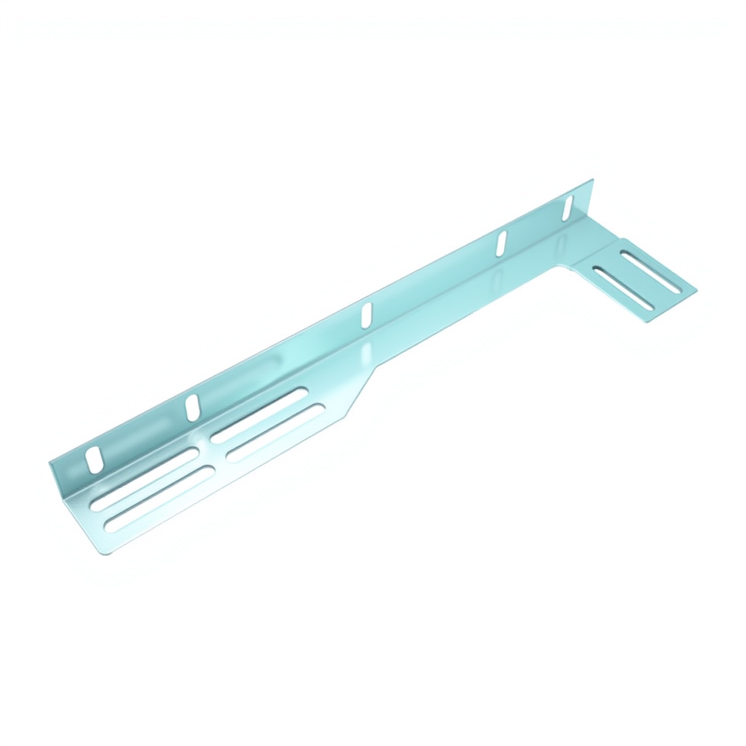
Companies that produce complementary parts such as nylon rollers, torsion springs, and cable drums will often combine them with brackets into shipment ready kits. For example an opener installation set might pair the galvanized angle iron with holes from this product page together with fasteners, pulley support brackets, and safety locks. That approach improves fill rate for distributors.
3. Where garage door brackets are used around the home and light industry
3.1 Residential sectional doors
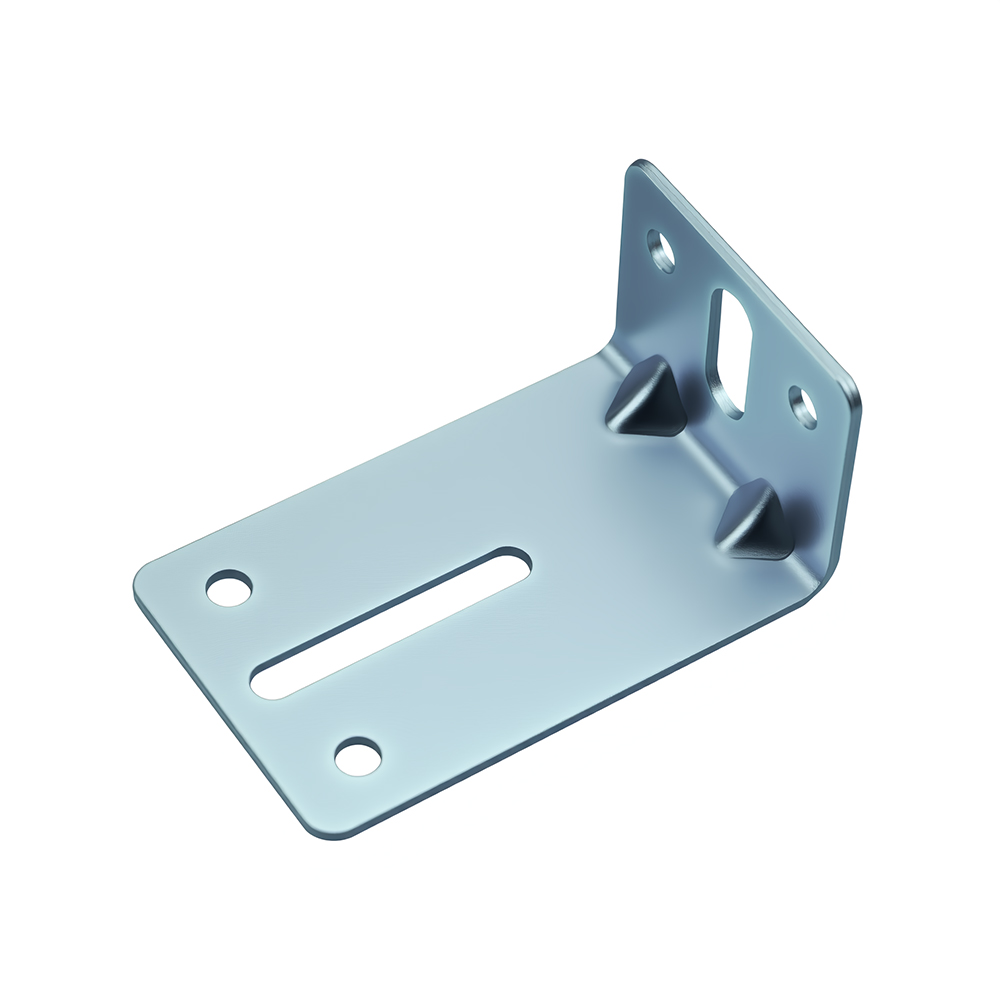
The first and most visible use is at the very top of a home garage door where the adjustable top bracket secures the roller into the vertical track and defines how the upper panel closes. A good example is the galvanized adjustable top bracket at this page. Installers can move the slotted bracket a few millimeters to gain smooth weather seal contact or to align with a slightly tilted jamb. Many household users notice less wind whistle and better closing sound once top brackets are tuned. Standard forty degree room temperature tests on these brackets confirm that adjustment slots hold position over time.
Daily users appreciate that replacements fit into existing holes and that new brackets arrive with clean zinc surfaces. Many travelers note that compact service trucks keep a small stock of top and bottom brackets because they solve most garage door complaints in one visit.
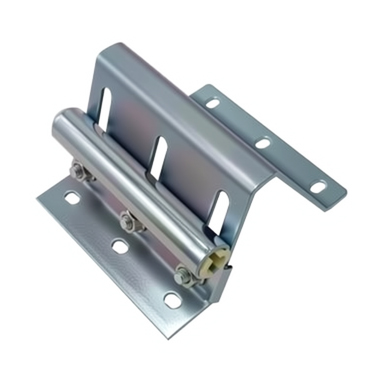
Many owners in colder regions also request track and jamb brackets to support vertical tracks where wall studs are not perfectly aligned. The steel garage door track jamb bracket in this listing does exactly that by linking the track to a solid point. Installers report that when these brackets are spaced correctly at mid height and head height the track does not twist when openers pull the door.
3.2 Industrial sectional or shutter like doors
In light industrial halls brackets take on higher loads. Bottom lift brackets transfer tension from steel cables into door panels. If the door is fitted with a spring break safety device or cable break lock then the bracket will have carved paths for the lock. The safety bottom bracket at this industrial safety link is an example. It guards the cable so operators are protected during maintenance. During processing torque values and pull loads are verified because industrial buyers want predictable breaking behaviour. Many service companies test brackets in repeated lift drop cycles to ensure that bending radii do not crack the zinc surface.
Daily users appreciate the smooth dispensing of the lifting cable and the leak free track geometry created by precise brackets. They also note that when nylon rollers like the premium nylon garage door roller at this page are combined with correct brackets, door movement becomes very quiet.
Buyers in coastal or high rain zones often pair brackets with bottom seals or rubber profiles. The bottom seal product at this reference works together with the bracketed bottom beam to close water gaps. Install teams report best outcomes when they pre drill fixing points on the seal and then attach bracket and seal in one go.
3.3 Conversion, upgrade, or opener installation
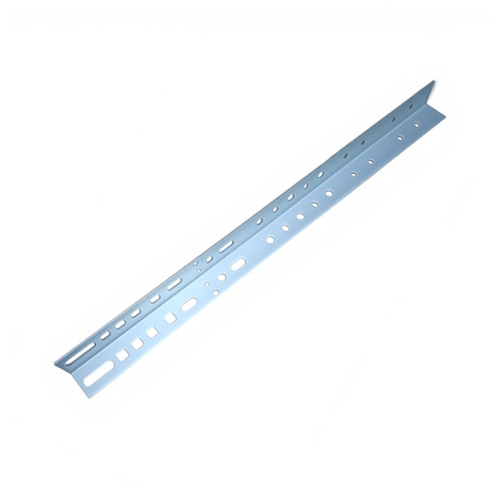
Garage owners sometimes upgrade older doors in home garages where headroom is limited. A universal angle iron opener installation kit such as the galvanized unit with perforated holes at this flexible opener kit provides a bracket interface for motors, safety eyes, or support beams. Its slotted pattern saves time on site because installers can match any opener brand. During maintenance technicians tighten these brackets after the first fifty cycles to account for small wood frame compressions. That is a common field experience and reflects decades of door service practice.
Many household users appreciate that silicone or PU insulated panels stay well supported even during opener pulls because the brackets spread load across larger sections of the panel. This is particularly useful in homes where a heavy wood finish sectional panel is selected.
Daily users appreciate the ability to clean galvanised brackets with mild soap and water without losing the zinc shine. Buyers often test sample brackets under varied humidity before releasing mass orders because they want assurance for end customers.
4. Advantages of well designed garage door brackets and where to stay cautious
4.1 Structural reliability
A solid garage door bracket made from 2.5 millimeter galvanized steel resists bending in sudden impacts or door misalignment. It spreads loads across the door skin so screws do not rip out during emergency stops. This is valuable on high lift doors that run at faster speeds.
During quality control many suppliers run drop tests or dynamic opening cycles to make sure that slots do not elongate which would cause door rattle.
4.2 Faster installation and retrofit
Universal hole patterns mean installers can mount brackets on wooden frames, steel frames, or panel edges without cutting. Angle track brackets with slotted zones allow vertical adjustment to remove door drag. This cuts installation time and helps small service teams deliver more jobs per day.
4.3 Corrosion and weather management
Since most brackets listed above are pre galvanized they are ready for outdoor garage environments. When used with rubber bottom seals water ingress is controlled. Installers in humid basements or coastal garages prefer aluminum bottom brackets because they keep a clean surface even when salt is present.
Most industrial producers run adhesion and salt spray checks to reduce after sales claims.
4.4 Limitations to consider
Even very solid garage door brackets cannot make up for undersized tracks or for doors that are much heavier than the original specification. Where panel weight has increased due to extra insulation, a new set of top and bottom brackets may still need matching torsion springs. Another limit is low cost zinc coatings which can mark or stain if the door is in a chemical or coastal environment. For those cases stainless hinge connectors such as the stainless steel hinge shown at this stainless garage hinge page are a better match.
There is also a commercial limit. Very small custom orders for rare bracket forms will carry higher tooling fees or minimum order requirements. Buyers can manage this by first confirming whether an existing universal bracket with extra holes can meet the project requirement. Most mechanical suppliers will agree to punch a few additional slots as long as raw material remains the same.
Standard experience among metal fabrication teams shows that using one uncoated steel bracket in an otherwise galvanized door assembly accelerates rust on nearby parts. That is why sourcing agents should centralise all bracket types in one galvanised family.
5. Comparing modern garage door brackets with older track mounting methods
Earlier generation doors used plain angle bars without stamped slots. Installers would drill holes on site and fasten the track or spring seat. This method was slower and often resulted in misaligned tracks which increased opener load. Modern galvanized garage door brackets such as the industrial joint angle at this track bracket example deliver far more precise alignment since all holes are factory punched.
Older doors also lacked integrated safety bottoms. If a cable snapped the bottom bracket could whip. The modern safety stopping bracket at this safety bracket includes cable breaking features and thicker steel. It is safer and clearly more advanced. In terms of maintenance cost the modern bracket is cheaper since the installer can replace only the damaged item instead of a whole bottom corner of the door.
Traditional non galvanized brackets had shorter service life in humid home garages. Rust would creep in around fasteners and stain panels. Galvanized or aluminum bottom brackets remain bright and are also compatible with modern PU foam insulated panels. They look better for longer. When comparing labor cost, pre punched brackets cut at least thirty minutes per door from installation which, across a housing development, is a major gain.
In performance language this can be summed up as follows. Modern brackets are stronger because of thicker steel. They are more adaptable because of multi slot patterns. They are safer because of integrated cable or spring protection options. They are also more economical because they reduce manual drilling. Buyers in competitive markets prefer this bundle of advantages.
6. Questions that sourcing agents and home users ask about garage door brackets
6.1 What is the main role of a garage door bracket
It links the moving door or lifting cable to a fixed and reinforced point so structural loads are transferred safely.
6.2 Can the same bracket work on steel and wooden frames
Yes if the bracket has a universal hole pattern with slotted and round options. Many of the galvanized brackets listed above have that arrangement.
6.3 How do I know a garage door bracket is safe for heavy doors
Check thickness, galvanizing type, and whether there is an integrated safety cable path. Heavy duty bottom brackets often show 4.0 millimeter material and have larger corner radii to prevent cracking. Buyers often test samples under different temperature conditions before mass order.
Procurement teams frequently ask for salt spray or pull test data to confirm stability across lots. That is part of a normal sourcing process.
6.4 Why is a safety bottom bracket needed on a residential door
Because it protects installers and homeowners if the cable or spring fails while the door is open. Safety devices block high speed movement of the bottom corner.
6.5 What if headroom is tight and the opener must sit lower
Use an angle iron opener installation kit or a perforated bracket family. These allow the opener rail to be offset while still holding it firmly.
6.6 Can corrosion resistance be improved without changing material
Yes through better surface preparation, tighter zinc coating control, and by avoiding scratch during packing. See weatherproof material practices that help in exterior doors.
Standard engineering experience says that storage conditions after galvanizing are almost as important as coating itself because condensation can lead to white rust.
6.7 How do I replace an old garage door bracket at home
Disconnect opener power, lock the door in down position, support the panel, and then unscrew the old bracket. Fit the new bracket using existing holes where possible. Do not release torsion springs during this replacement unless a trained technician is present.
6.8 Are garage door brackets compatible with nylon rollers
Yes. The stem length and roller diameter must match the bracket pocket. Many nylon rollers in the list above are 2 inch track compatible which suits most brackets.
6.9 What delivery details matter for bracket sourcing
Carton packing that separates sharp edges is important because stamped steel can scratch PU panels. Buyers also check whether bracket lots include bolts or self drilling screws such as the galvanized fasteners shown at this fastener page.
6.10 Are garage door brackets part of routine maintenance
Yes. Inspect at least once a year and retighten fasteners. If paint or zinc damage is seen then replace to prevent spread of rust.
7. Value pillars behind reliable garage door bracket supply
Structural care
Every bracket is shaped to protect the door panel from point load. Rounded edges and wide mounting faces reduce stress on insulated panels. This protects long term appearance of the door and keeps users safe.
Sustainable metal use
Stamped steel parts are planned to maximise sheet usage which reduces scrap. Galvanized surfaces extend the service life of door hardware so waste is lower over the life of a building. Explore recycling and sustainability steps for metal hardware to understand circular economy potential.
Quality and testing
Load tests, cycle simulations, and periodic coating inspections are standard steps so that every lot behaves the same even when it is delivered months apart. That equals confidence for installers.
Delivery assurance
Because accessory sets include many small parts, clear labeling and separate inner bags help end users. Logistics teams form kits that mirror garage door assemblies so warehouse pickers do not miss brackets.
Keep improving garage door safety and smooth movement
Understanding material, bracket design, and installation practice is the first move toward doors that open quietly and operate without sudden failures. Study specifications, select the right bracket family, and plan routine inspection so long term performance is guaranteed.
Source, test, and document each bracket choice so every garage door remains reliable for years. :contentReference[oaicite:1]{index=1} :contentReference[oaicite:2]{index=2}
 English
  Русский
  日本語
日本語  한국어
한국어  Français
  Deutsch
  العربية
  Português
  Español