
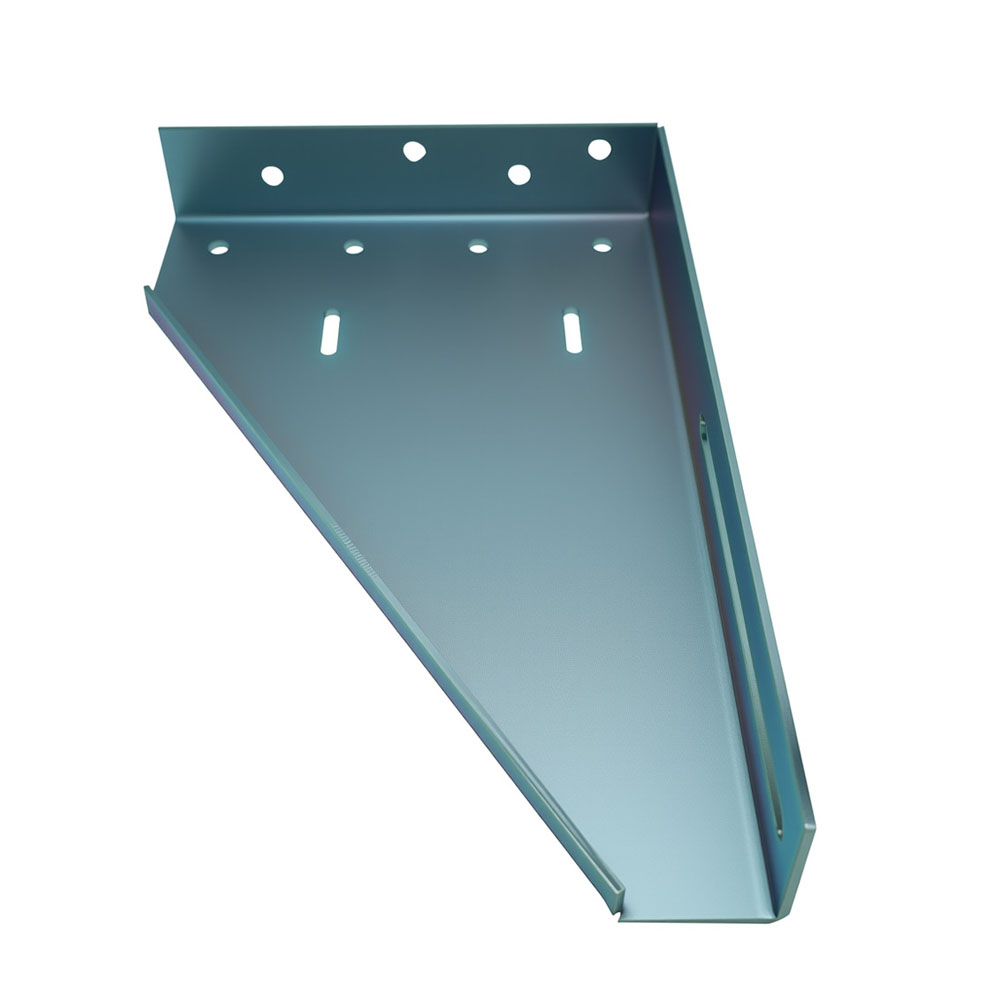
How Can Standardized garage doors Brackets Boost Changeover Efficiency in Hardware Workshops?
Frequent size and style switches in garage door hardware workshops often cause long machine downtimes, roller adjustments, and scheduling inefficiencies. By applying standardized garage doors brackets and pattern systems, planners can reduce lost output, align production schedules, and achieve smoother transitions between product variants. Let’s explore how this optimization reshapes changeover performance.
Let’s explore how it works1. About Standardized Garage Door Brackets
Standardized garage door brackets are structural connectors designed to mount and align rollers, hinges, and tracks within a consistent dimensional framework. In a multi-size production environment, each bracket’s geometry determines the roller offset, panel alignment, and torsion load. When these parts vary by model, operators must reset fixtures and adjust tooling, extending changeover times and increasing the risk of misalignment.
Using unified bracket patterns across multiple door sizes enables machines to maintain fixed jig settings and tooling coordinates. This approach minimizes the downtime required to reconfigure press punches, riveting points, and roller slot adjustments. For a production planner, such standardization translates directly to predictable scheduling blocks and faster throughput recovery after model switches.
Garage door hardware engineers often verify bracket precision through torque performance testing, ensuring consistent stress resistance across different batch runs.
Technicians usually validate roller bracket positioning through alignment jigs before each batch cycle to ensure tolerance consistency. This practice forms the foundation for repeatable setup and reliable operation.
In coastal or high-humidity areas, galvanized or zinc-coated brackets are preferred to resist corrosion and extend maintenance intervals.
2. Applications and Use Cases
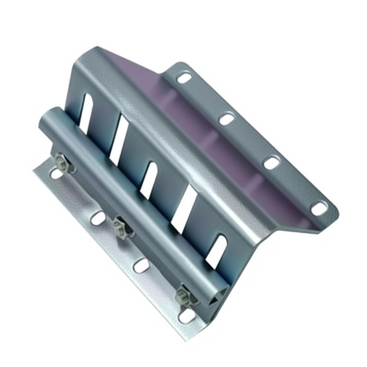
In a multi-size garage door hardware workshop, planners frequently coordinate batches ranging from single-panel residential doors to heavy-duty commercial roller systems. Each switch demands alignment of tracks, rollers, and hinges. Standardized bracket hole patterns simplify this process by allowing consistent fixture references regardless of door height or width.
For example, when moving from a 7-foot door to an 8-foot model, workers can reuse the same positioning points for the brackets. This reduces manual adjustment time for rollers and shafts by 30–40%, depending on the line configuration. As a result, machine operators can resume production within minutes rather than hours.
In industrial settings, such as logistics hubs and warehouse assembly lines, production planners rely on stable fixture geometry to maintain sequencing. Consistent bracket alignment prevents cumulative error across doors assembled in different shifts, improving dimensional quality and reducing inspection rework.
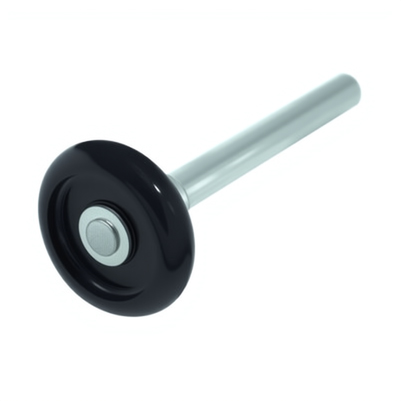
Installers typically use precision alignment tools to confirm that brackets and rollers maintain parallel movement along the track system. This ensures noise-free door operation and extends component life. Learn more about garage door track alignment techniques for smooth operation.
In maintenance workshops, technicians performing retrofit projects benefit from standardized brackets because spare parts can fit multiple door series. This reduces spare inventory and ensures compatibility between old and new assembly lines.
Cycle testing under varying temperatures helps determine bracket fatigue resistance and stability over repeated openings, ensuring reliable performance in both residential and commercial applications.
3. Key Benefits and Technical Limits
Reduced Changeover Time
By applying unified bracket templates, machine operators eliminate repetitive fixture adjustments. This minimizes downtime during style switching and allows planners to optimize shift scheduling more effectively.
Improved Production Predictability
Consistent bracket hole spacing and mounting geometry simplify digital scheduling. Planners can model time slots with less variance, improving overall equipment effectiveness (OEE) and output forecasting.
Enhanced Structural Integrity
Standardization ensures uniform load transfer and stress distribution across all door sizes, reducing failure risk and vibration noise during operation.
Maintenance and Spare Part Compatibility
Using universal brackets simplifies repair and replacement processes. Maintenance teams can service multiple door types without changing tools or fixtures.
However, standardization may limit flexibility for unique or customized door designs that require unconventional roller offsets or bracket angles. In such cases, adjustable fixtures or modular tooling solutions should be integrated into the workflow.
Technicians often measure torque and tensile load performance during sample validation to confirm bracket durability before mass production.
4. Legacy vs. Modern Hardware
Older garage door hardware systems used unique bracket geometries for each door size, requiring complete retooling between batches. The modern approach favors modularity—one bracket geometry serving multiple models through adjustable mounting slots. Compared to legacy systems, this reduces operator errors, fixture wear, and line rebalancing delays.
Traditional brackets, often produced through low-precision stamping, exhibited higher variability in hole spacing. In contrast, modern CNC and laser-cut brackets maintain dimensional accuracy within ±0.1 mm, improving installation precision and reducing bearing misalignment that leads to roller noise or premature wear.
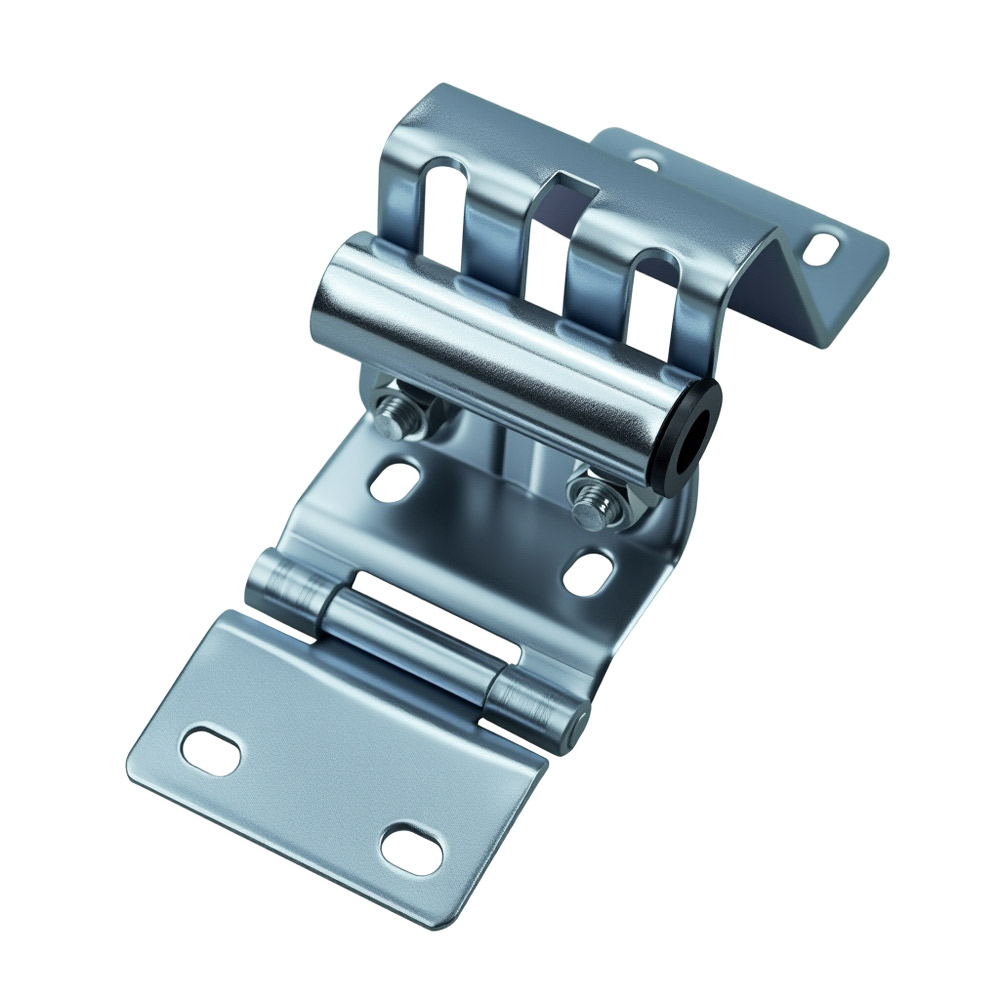
Modern standardized hardware systems often include corrosion-resistant coatings and pre-applied alignment marks, enabling technicians to install or inspect more efficiently. Explore hinge corrosion resistance tests to understand their longevity under humid conditions.
Many evaluators perform salt-spray testing on brackets to ensure performance reliability under coastal or humid climates. This process confirms anti-corrosion quality and long-term integrity of zinc-coated surfaces.
5. Manufacturing and Quality Validation
Production of standardized garage door brackets follows strict process control steps—material selection, press forming, hole punching, and anti-corrosion coating. Quality engineers often use automated optical measurement systems to confirm that hole centers, edge distances, and bends conform to specified tolerances.
In large-scale OEM environments, samples undergo load and cycle tests to evaluate fatigue strength. Many OEM buyers specify compliance with CE or ISO9001 standards to ensure international compatibility.
Door tracks, rollers, and brackets are frequently assembled in pre-jigged configurations during pilot runs to confirm proper torque balance and door smoothness. Learn more from quality assurance process documents that describe this verification.
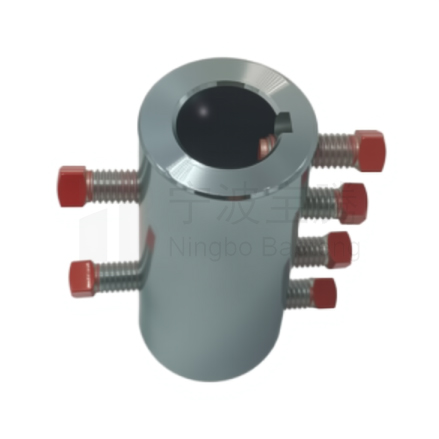
Many industrial buyers evaluate bracket and shaft combinations through load test reports before final approval. This ensures mechanical stability during repeated open–close cycles exceeding 20,000 operations.
6. Values and Sustainable Principles
Precision and Consistency
Every standardized bracket supports consistent door movement and structural balance, ensuring reliable performance throughout its lifecycle.
Reduced Waste
Standardization minimizes scrap generation during setup changes, aligning with lean manufacturing and sustainability goals.
Lifecycle Maintenance
Compatible parts simplify preventive maintenance scheduling and reduce resource consumption through component interchangeability.
Operational Safety
Uniform geometry ensures predictable load transfer, reducing unexpected tension variations and enhancing workplace safety.
Technicians often lubricate roller bearings and hinge joints as part of preventive maintenance schedules to preserve smooth motion and extend hardware life.
7. Frequently Asked Questions
See how standardized hardware transforms production flow
From smoother scheduling to consistent torque performance, standardized garage door brackets redefine how workshops manage rapid model transitions. Explore related components and testing insights to strengthen your planning strategies.
Explore Engineering Specifications English
  Русский
  日本語
日本語  한국어
한국어  Français
  Deutsch
  العربية
  Português
  Español