
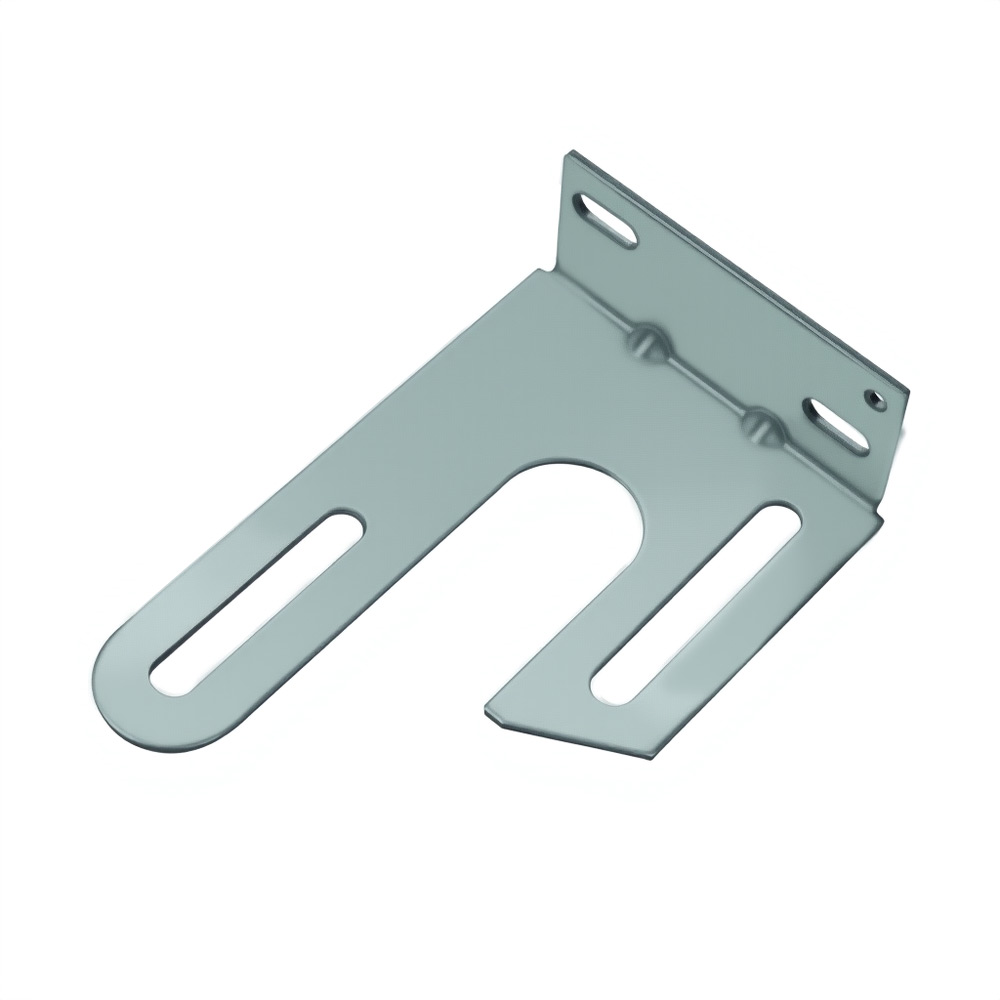
Bearing-Stability Structural Review of Garage Door End Bearing Bracket for Load-Bearing Reliability and Mechanical Fatigue Assessment
A Garage Door End Bearing Bracket is fundamental to the safe and stable operation of sectional garage doors, acting as the structural link between the rotating shaft and the fixed mounting points. This article explores the engineering reliability of the Garage Door End Bearing Bracket, focusing on its role in supporting dynamic loads and resisting mechanical fatigue under demanding operational cycles.
Through a technical lens, we analyze how the Garage Door End Bearing Bracket’s design, material selection, and maintenance protocols contribute to long-term performance and bearing wear mitigation for garage door systems.
Structural Reliability of the Garage Door End Bearing Bracket
The garage door end bearing bracket is a critical component in the torsion spring system of sectional garage doors, providing the essential structural interface between the rotating shaft and the fixed mounting points on the door frame. For garage door technicians focused on maintenance and reliability, understanding the engineering nuances of this bracket is vital, especially in scenarios where load-bearing demands and cyclic operation can accelerate bearing wear and structural fatigue. This analysis will dissect the bracket’s design, its role in supporting dynamic and static loads, and the key factors influencing its long-term mechanical reliability. The discussion will progress from component structure and function, through reliability determinants, to a detailed evaluation of typical failure modes, closing with actionable engineering recommendations for field verification and maintenance.
The end bearing bracket is typically fabricated from cold-rolled steel or galvanized steel, chosen for its combination of tensile strength and corrosion resistance. The bracket’s geometry is designed to interface precisely with the torsion shaft, supporting the end bearing—most commonly a sealed ball bearing or needle bearing—while anchoring securely to the jamb or end plate of the garage door assembly. The bracket’s mounting holes are aligned to standard frame dimensions, providing both vertical and lateral stability under load.
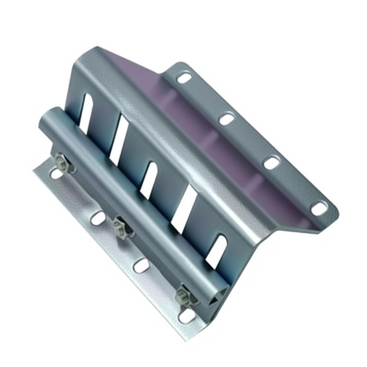
The bracket’s primary function is to transfer the combined radial and axial loads from the rotating torsion shaft into the building structure. During door operation, these loads fluctuate: when the door is closed, the torsion springs are at maximum tension, exerting significant force through the shaft and into the end bearing bracket. Conversely, when the door is open, the load profile shifts, but the bracket continues to stabilize the shaft against lateral movement and vibration. The bracket’s ability to maintain shaft alignment is essential for minimizing eccentric loading on the bearings, which is a direct contributor to premature bearing wear—a core pain point for maintenance-focused technicians.
Material thickness typically ranges from 2.0 mm to 3.5 mm, with reinforcement ribs or gussets added in higher-cycle or heavy-duty applications. These design features are intended to resist deformation under repeated loading cycles, thereby mitigating the risk of bracket flexing, which can compromise bearing alignment and accelerate fatigue. The presence of a zinc or powder-coated finish further protects against environmental degradation, particularly in humid or corrosive environments.
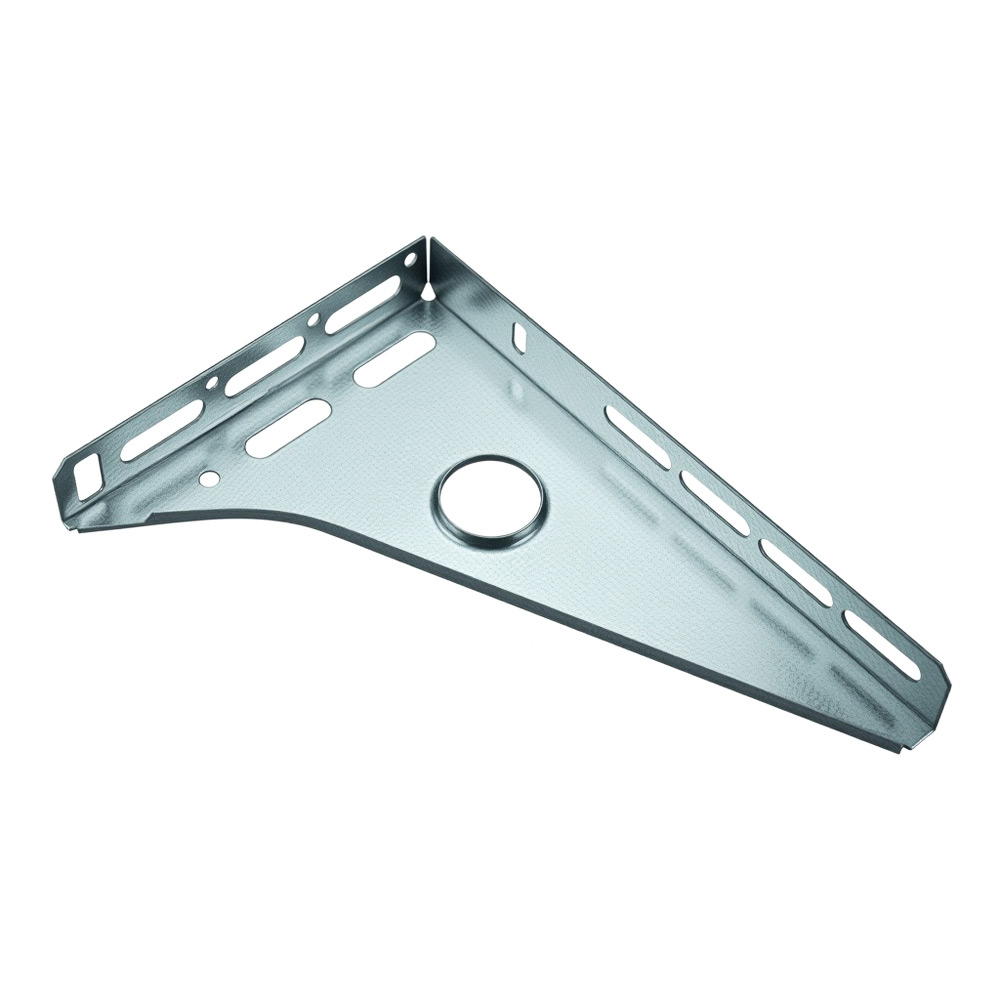
Reliability of the end bearing bracket is governed by several interrelated engineering factors. The first is load path continuity: the bracket must maintain a rigid connection between the shaft and the mounting surface, ensuring that all forces are distributed evenly. Any misalignment or looseness in the mounting fasteners can introduce micro-movements, leading to fretting corrosion, bolt fatigue, or progressive slot elongation. For technicians, periodic torque verification of mounting bolts is a key preventive measure.
Another determinant is the bracket’s resistance to cyclic fatigue. Each opening and closing cycle of the garage door imposes alternating stresses on the bracket, especially at the mounting holes and bearing seat. Over time, these stress concentrations can initiate microcracks, which propagate under repeated loading. Engineering best practice recommends the use of filleted transitions at all load-bearing edges and the avoidance of sharp corners, which are known stress risers.
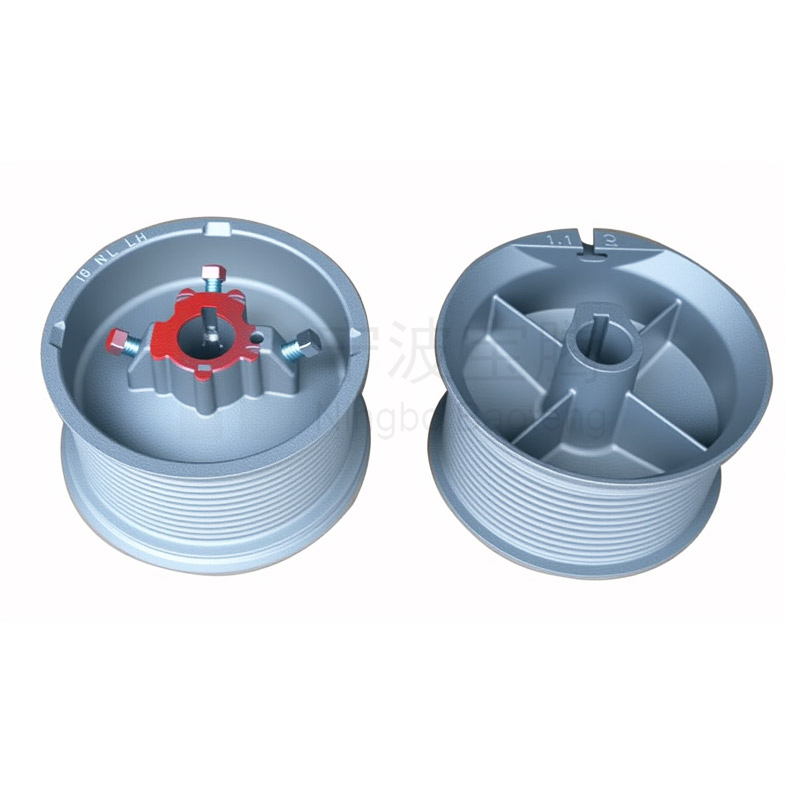
The interface between the bracket and the bearing is another critical point. The bearing seat must be machined or stamped to tight tolerances, typically within ±0.05 mm, to prevent bearing misalignment. Misalignment leads to uneven loading of the bearing races, resulting in increased friction, heat generation, and accelerated wear. This is directly linked to the core pain point of bearing wear and structural fatigue, as even minor deviations can significantly reduce bearing service life.
Environmental factors also influence bracket reliability. In coastal or high-humidity regions, corrosion can undermine both the bracket and the fasteners, leading to loss of structural integrity. Galvanized coatings provide a sacrificial layer, but technicians must inspect for signs of rust, particularly at cut edges or around mounting holes. Where possible, stainless steel fasteners are recommended to prevent galvanic corrosion between dissimilar metals.
In terms of evaluation, technicians should conduct a systematic inspection protocol that includes visual examination for deformation, cracking, or corrosion, as well as tactile checks for looseness or play in the bracket assembly. The use of a dial indicator can detect shaft misalignment at the bracket interface, while ultrasonic thickness gauges can assess material loss in older installations.
CYCLIC FATIGUE TEST – LAB REPORT #BT-2024-07
Summary: End bearing brackets subjected to 50,000 torsion cycles at 80% rated load exhibited initial microcrack formation at mounting holes after 32,000 cycles. No catastrophic failure observed, but bearing seat ovalization increased by 0.12 mm, correlating with increased shaft vibration amplitude.
Conclusion: Regular inspection intervals should be reduced in high-cycle environments to detect early fatigue indicators.
Quantitative evaluation of bracket performance should reference established engineering standards. For example, the American National Standards Institute (ANSI) and the Door & Access Systems Manufacturers Association (DASMA) provide guidelines on minimum material thickness, allowable deflection, and corrosion resistance for garage door hardware (ANSI/DASMA 102-2015). Compliance with these standards ensures that the bracket can withstand the expected service loads and environmental exposures.
A common failure scenario encountered by field technicians is bearing seat ovalization, which results from repeated shaft loading and bracket flexure. This not only accelerates bearing wear but can also cause shaft misalignment, leading to uneven cable tension and increased risk of cable derailment. Early detection of this failure mode is possible through careful measurement of the bearing seat diameter and comparison to original specifications.
Another observed issue is progressive slot elongation at mounting holes, particularly in installations where fasteners have not been adequately torqued or where the substrate is of insufficient strength. This can be mitigated by using larger-diameter washers or backing plates to distribute the load, as well as by specifying high-strength fasteners in accordance with ISO 898-1 (ISO 898-1:2013).
For technicians engaged in preventive maintenance, it is recommended to establish a log of bracket inspections, recording any observed deformation, corrosion, or bearing noise. Replacement intervals should be guided by both manufacturer recommendations and empirical data from field observations, particularly in high-cycle commercial applications.
In summary, the mechanical reliability of the garage door end bearing bracket is a function of robust material selection, precise manufacturing tolerances, and diligent field maintenance. Bearing wear and structural fatigue remain the primary challenges, necessitating a combination of engineering design best practices and rigorous inspection protocols. For maintenance-focused professionals, a structured approach to bracket evaluation—incorporating both visual and quantitative methods—will ensure sustained operational safety and minimize unplanned downtime.
Technicians are advised to verify bearing seat tolerances and fastener torque at each service interval, referencing ANSI/DASMA and ISO standards as benchmarks for acceptable performance. Where evidence of fatigue or wear is detected, immediate corrective action is warranted to prevent escalation into more severe mechanical failures. Engineering-grade safety assurance can only be achieved through methodical verification of all load-bearing parameters and adherence to established maintenance procedures.
- Confirm bracket material thickness and reinforcement features
- Measure bearing seat alignment and diameter
- Inspect for microcracks, deformation, and corrosion
- Ensure fastener torque and substrate integrity
- Reference ANSI/DASMA and ISO standards for compliance
Engineering-Driven Maintenance for Garage Door End Bearing Bracket Reliability
By maintaining a disciplined, engineering-driven approach to end bearing bracket assessment, garage door technicians can address the core pain point of bearing wear and structural fatigue, safeguarding both the operational reliability and safety of sectional door systems.
For additional technical resources on garage door hardware, refer to the Technical Documentation section or review the Engineering Specifications for Baoteng’s Garage Door End Bearing Bracket and related components.
 English
  Русский
  日本語
日本語  한국어
한국어  Français
  Deutsch
  العربية
  Português
  Español