
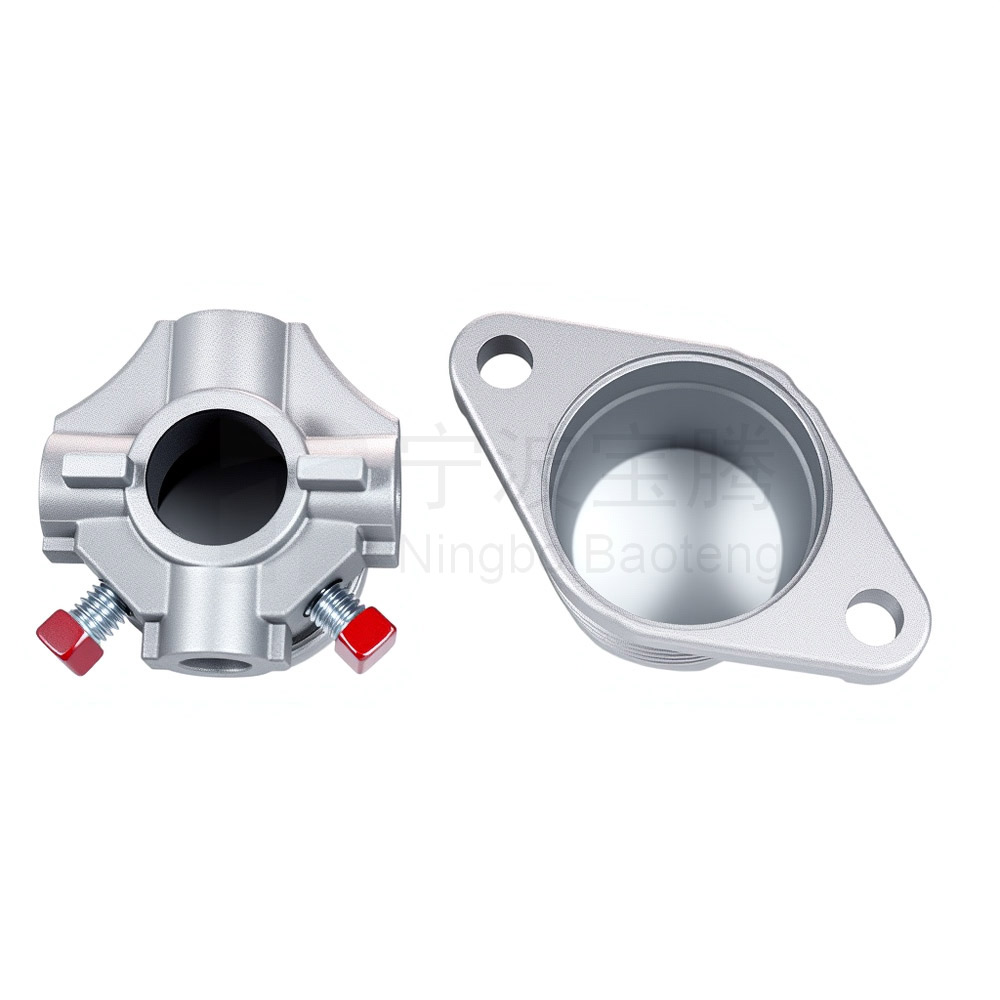
Understanding Torque Balance in Garage Door Systems
The dynamics of torque balance in garage door torsion spring repair couplers are crucial for the efficient operation of garage door systems.
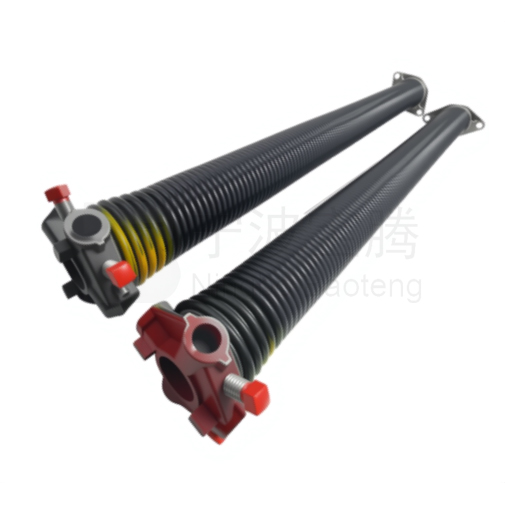
These couplers act as vital connectors between the torsion springs and the shaft, facilitating the transfer of torque necessary for lifting and lowering the door. A comprehensive understanding of the mechanical advantages and enhancements in fatigue resistance provided by these couplers is essential for mechanical maintenance specialists.
The emphasis on torque balance is particularly significant, as improper torque distribution can lead to substantial wear and potential failure of the torsion spring assembly. Engineers must consider the forces exerted by the torsion springs, which are responsible for lifting the weight of the door.
Optimizing garage door torsion spring repair couplers involves a thorough analysis of material selection and design parameters. High-strength steel is often the material of choice due to its capability to withstand repeated loading cycles without significant deformation or failure.
An effective coupler design minimizes the risk of torque loss, which can occur due to slippage or misalignment.
Performance Assessment of Torsion Spring Repair Couplers
When assessing the performance of torsion spring repair couplers, it is crucial to consider potential failure modes that can arise during operation. One prevalent failure mode is metal fatigue, which occurs when the coupler is subjected to repeated stress cycles beyond its fatigue limit. Over time, microscopic cracks can develop, leading to eventual failure of the coupler. This failure can manifest as complete breakage of the coupler, resulting in the torsion spring becoming unanchored and the garage door potentially falling.
Understanding the mechanics of fatigue and the contributing factors is essential for engineers responsible for designing and maintaining these systems. The relationship between torque balance and metal fatigue is particularly significant, as improper torque distribution can accelerate the onset of fatigue.
Environmental Considerations
Environmental conditions play a critical role in influencing the performance and longevity of garage door torsion spring repair couplers. In environments with high humidity or exposure to corrosive elements, the risk of corrosion escalates, which can weaken the coupler and lead to failure. Engineers must account for these environmental factors during the design phase, selecting suitable coatings or materials that resist corrosion and maintain structural integrity over time.
“Adherence to industry-relevant standards ensures that the couplers undergo rigorous testing protocols that evaluate their load-bearing capacity and fatigue resistance.” – Engineering Best Practices
Engineering Analysis of Torsion Spring Repair Couplers
The results of thorough testing and analysis can lead to significant enhancements in the design of garage door torsion spring repair couplers. By evaluating performance under various load conditions and environmental scenarios, engineers can identify the most effective configurations and materials. This iterative process of design, testing, and refinement ultimately results in couplers that exhibit superior torque balance and fatigue resistance.
In practical applications, the implementation of optimized torsion spring repair couplers can lead to improved operational efficiency and safety. Maintenance specialists who comprehend the intricacies of torque balance and fatigue resistance can better diagnose issues and recommend appropriate solutions. Regular inspections and maintenance of the couplers, along with adherence to established testing standards, can significantly extend the service life of the torsion spring assembly.
This proactive approach not only enhances the performance of the garage door but also minimizes the risk of catastrophic failures that could pose safety hazards. For further insights on the components involved, refer to our spring maintenance guidelines.
Key Considerations for Coupler Design
The integration of advanced materials and engineering practices in the design of garage door torsion spring repair couplers is essential for addressing the core challenges associated with torque loss and metal fatigue. By focusing on optimizing the coupler’s performance, engineers can significantly enhance the overall reliability of garage door systems.
“Continuous evaluation of environmental factors and compliance with testing standards further ensures that these couplers remain robust and effective throughout their operational life.”
Enhancing Garage Door Systems
Mechanical maintenance specialists are encouraged to explore the benefits of enhanced torsion spring repair couplers in their applications. Understanding the dynamics of torque balance and the implications of material fatigue can lead to more informed decisions regarding maintenance and replacement strategies. Discovering how to enhance torsion spring systems today can lead to improved performance and safety in garage door operations, ultimately benefiting both the user and the maintenance professional.
Key Takeaways
- Understanding torque balance is essential for effective maintenance of garage door systems.
- Material fatigue plays a significant role in the longevity of torsion spring repair couplers.
- Adhering to rigorous testing standards ensures the reliability and safety of garage door components.
- Continuous improvement in design and materials is crucial for enhancing overall functionality.
Reviewed by: Senior Garage Door Hardware Engineer
All technical viewpoints in this article were reviewed and validated by our senior engineering team, Premium Garage Door Hardware R&D Team.
Learn more in our
company overview.
 English
  Русский
  日本語
日本語  한국어
한국어  Français
  Deutsch
  العربية
  Português
  Español