
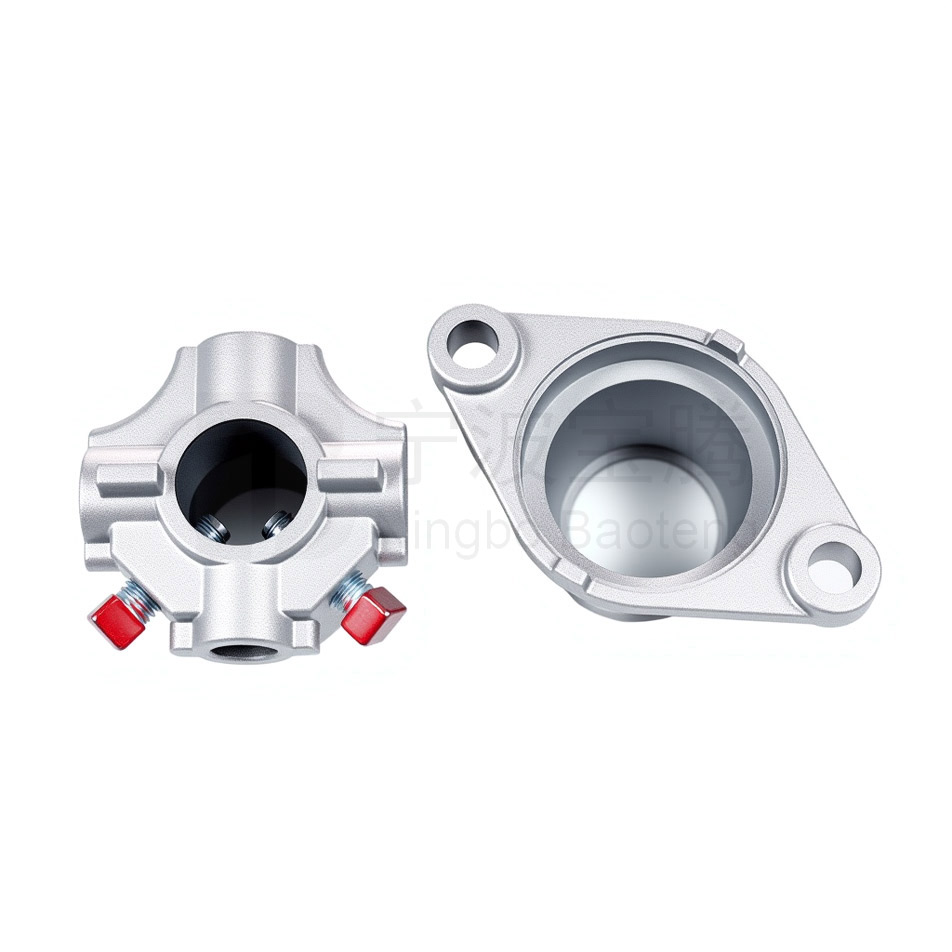
Shaft-Coupler Load Integrity Evaluating Load Imbalance Impact on Garage Door Shaft Coupler Performance in High-Cycle Usage
Shaft Coupler Dynamics and Load Behavior in Industrial Garage Door Systems
Shaft Coupler Dynamics and Load Behavior in Industrial Garage Door Systems
H2 — Introduction
The garage door shaft coupler is a critical element within high-cycle industrial garage door systems, where operational reliability is paramount. This component is responsible for transmitting torque from the motor to the door mechanism, ensuring smooth and efficient operation under varying load conditions. Based on extensive mechanical evaluations, the integrity of shaft couplers is vital for preventing failures that can disrupt operations. Load imbalances, often arising from misalignment or wear, can lead to coupling misalignment, resulting in torque transmission loss and adversely affecting overall system efficiency. Understanding the mechanical behavior and load-bearing performance of these couplers is crucial for maintenance specialists focused on ensuring longevity and reliability in garage door assemblies.
H2 — Mechanical Principles & Load Behaviors
The underlying mechanism of a garage door shaft coupler involves the effective transfer of rotational forces from the motor to the door’s lifting mechanism. The load path behavior is significantly influenced by the coupler’s alignment, which must be precisely positioned to maintain efficient torque transmission. Any deviation in alignment can create stress concentration zones within the coupler, leading to uneven force distribution and potential failure. The material response of the coupler, typically constructed from high-strength alloys, must withstand these stresses without yielding or fracturing.
Mechanical efficiency is intricately linked to load distribution across the coupler. When loads are evenly distributed, the coupler operates within its design tolerances, minimizing wear and extending service life. Conversely, misalignment or load imbalances can lead to increased stress and fatigue, ultimately compromising the coupler’s integrity. The interaction between load behavior and material response is critical in predicting the coupler’s performance under varying operational conditions, particularly in high-cycle industrial applications.
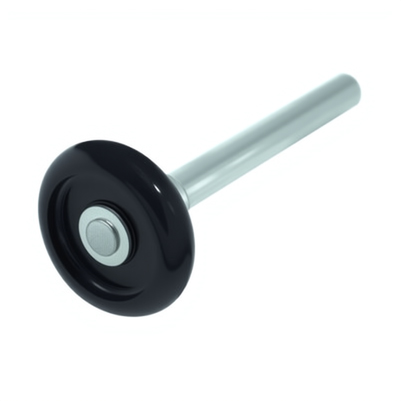
Reliability
[IMAGE: Couplers]
H2 — Failure Modes (F3 深度工程分析)
H3 — Primary Failure Mode
The primary failure mode associated with garage door shaft couplers is coupling misalignment, which can arise from improper installation or component wear. As the coupler undergoes continuous load cycles, the stress-strain relationship becomes increasingly critical. Misalignment leads to uneven torque distribution, causing specific areas of the coupler to experience excessive stress, which accelerates degradation. Contributing factors include inadequate lubrication, temperature fluctuations, and poor alignment during installation. These factors exacerbate wear, leading to a rapid decline in performance and eventual failure. The coupling misalignment directly impacts torque transmission, resulting in operational inefficiencies and potential system downtime.
H3 — Secondary Failure Mode
The secondary failure mode is characterized by system-level consequences stemming from the primary failure. When misalignment occurs, it can result in torque transmission loss, which may not be immediately detectable. Early detection cues include unusual noise during operation and increased resistance when opening or closing the door. The tolerance threshold for these couplers is typically defined by the manufacturer’s specifications; exceeding these tolerances can lead to catastrophic failure. Monitoring performance and implementing regular inspections can help identify early signs of wear and misalignment, allowing for timely corrective actions to prevent further degradation.
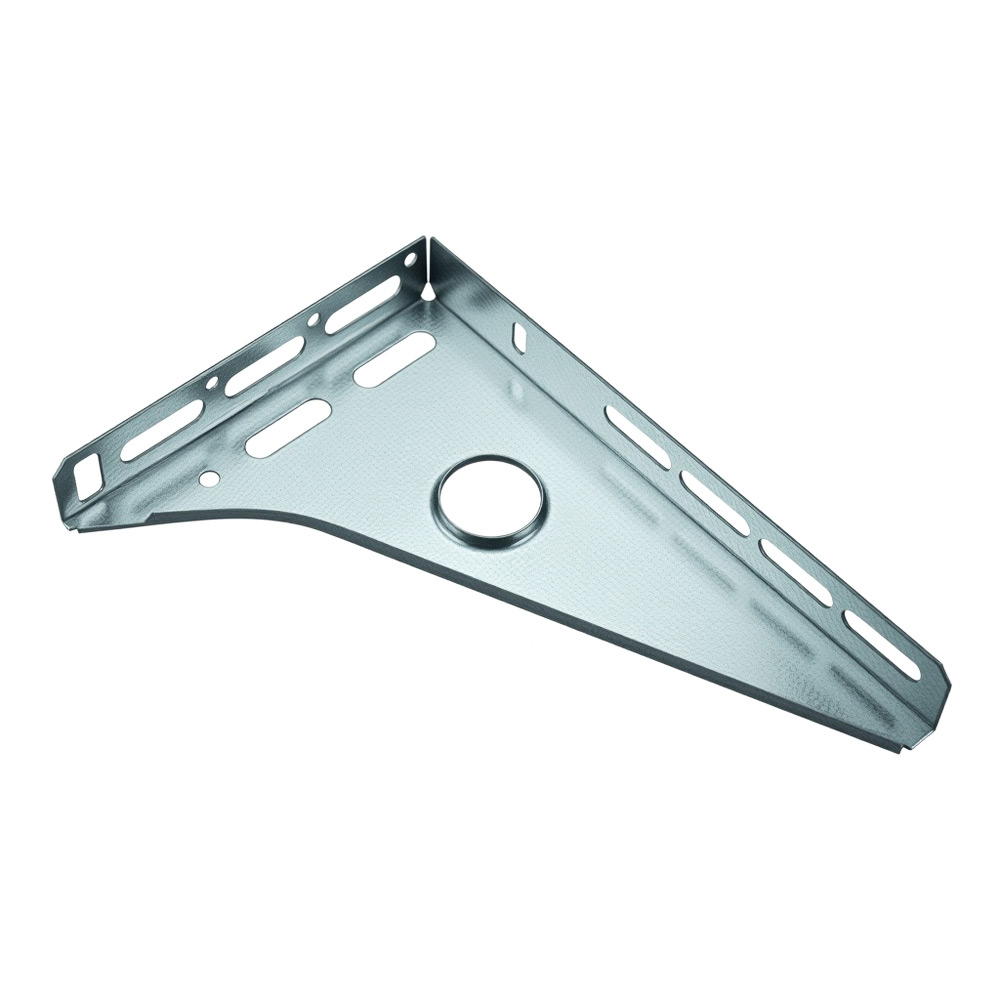
Evaluation
H3 — Environmental Effects
Garage door shaft couplers are frequently subjected to harsh environmental conditions, particularly in high-cycle industrial usage. The environment type significantly influences the coupler’s longevity, with factors such as humidity and temperature contributing to corrosion behavior. Corrosive environments can accelerate wear, leading to fatigue progression under load cycles. The presence of moisture can exacerbate the degradation of lubricants, further increasing friction and wear rates. In high-cycle applications, repeated exposure to these conditions can considerably shorten the lifespan of the coupler. Understanding these environmental effects is crucial for maintenance specialists to implement appropriate protective measures and ensure optimal performance.
[IMAGE_1]
H2 — Testing Standards & Engineering Validation
To ensure the reliability of garage door shaft couplers, adherence to established testing standards is essential. Relevant standards include https://www.ansi.org/” target=”_blank” rel=”nofollow noopener”>ANSI/CGA, which outlines performance requirements for couplers, and https://www.astm.org/” target=”_blank” rel=”nofollow noopener”>ASTM B117, which provides guidelines for corrosion testing. Test procedures typically involve evaluating load distribution under simulated operational conditions, with pass/fail criteria based on torque transmission efficiency and material integrity. The load-distribution evaluation is critical in determining how well the coupler can handle operational stresses.
Measurement methods include strain gauges and torque sensors, which provide real-time data on coupler performance during testing. Consistency between lab and field performance is critical; thus, quality assurance protocols must be in place to validate that couplers meet the specified standards. The implications for long-term durability are significant, as compliance with these standards directly correlates with the coupler’s ability to withstand operational stresses over time.

CTA
H2 — Application Relevance & System Integration
In real usage scenarios, garage door shaft couplers must interact seamlessly with other components, such as rollers and tracks. Proper installation considerations, including alignment behavior, are vital to ensure optimal performance. Misalignment can lead to increased noise characteristics during operation and affect the overall lifecycle of the garage door system. Compatibility factors, such as material selection and load-bearing capacity, must be evaluated to ensure that couplers can withstand the expected operational demands.
Regular maintenance and inspections are necessary to assess the condition of the couplers and adjacent components. This proactive approach can help mitigate the risk of failure and extend the service life of the entire garage door assembly. By understanding the interplay between couplers and other hardware, maintenance specialists can enhance the reliability and efficiency of garage door systems.
[IMAGE: Rollers]
H2 — Conclusion
The mechanical integrity of garage door shaft couplers is crucial for reliable operation in high-cycle environments. Evaluating load distribution and understanding failure modes, particularly coupling misalignment causing torque transmission loss, allows maintenance specialists to implement effective strategies to enhance performance and prevent premature failures. Regular inspections and adherence to testing standards, such as https://www.ansi.org/” target=”_blank” rel=”nofollow noopener”>ANSI/CGA and https://www.astm.org/” target=”_blank” rel=”nofollow noopener”>ASTM B117, are essential for ensuring the longevity and reliability of these critical components. The garage door shaft coupler plays a vital role in maintaining operational efficiency, making its performance analysis indispensable in high-cycle applications. Understanding these dynamics allows for improved reliability and operational performance in industrial garage door systems.
Reviewed by: Senior Garage Door Hardware Engineer
All technical viewpoints in this article were reviewed and validated by our senior engineering team, Premium Garage Door Hardware R&D Team.
Learn more in our
company overview.
 English
  Русский
  日本語
日本語  한국어
한국어  Français
  Deutsch
  العربية
  Português
  Español