
Garage Door Shaft Coupling Case Study
Reference Standard: Relevant material and performance testing standards may include dimensional inspection practices, visual surface inspection, and general mechanical component verification principles from organizations such as ASTM International and ISO. The catalog data does not provide a dedicated test standard, coating thickness, torque rating, or tolerance table for this product group.
Short Answer
The practical risk is not only whether the part can slide onto a shaft. The more important question is whether the selected bore route, length route, and material route can keep a stable mechanical boundary during repeated garage door movement, vibration, humidity exposure, and maintenance handling. This case study uses only the verified product records and separates confirmed catalog facts from engineering inference.
For broader garage door hardware context, buyers can review related product categories through Baoteng garage door hardware resources.

Reading the Coupler as a Rotating Energy Continuity Part, Not a Loose Accessory
A shaft coupler in a garage door system is often described too casually as a connector. That description is incomplete. In a moving door assembly, the coupling sits at a point where rotational continuity must be preserved across connected shaft sections. The catalog confirms a shaft coupler range from BT-SH605 to BT-SH610, with bore and length routes that matter because the part is not only occupying space; it is participating in rotational transfer.
The confirmed records show BT-SH605 Shaft Coupler: inside diameter 1 inch, length 90mm, material aluminum. BT-SH606 Shaft Coupler: inside diameter 1 inch, length 90mm, finished galvanized. BT-SH607 Shaft Coupler: inside diameter 1 inch, length 120mm, material aluminum. BT-SH608 Shaft Coupler: inside diameter 1 inch and 1-1/4 inch, finish galvanized. BT-SH609 Shaft Coupler: inside diameter 1 inch, length 120mm, finished galvanized. BT-SH610 Shaft Coupler: inside diameter 1-1/4 inch, length 120mm, finished galvanized. These facts create a useful case-study map: the product line is divided by bore route, span route, and material or surface route.
From a physical perspective, the coupling works through a boundary relationship between the inner bore and the shaft surface. If the bore route does not correspond to the actual shaft route, the continuity path changes. A loose interface can create small motion at the contact zone; an incompatible interface can stop assembly before the system reaches service. The catalog does not provide torque data, wall thickness, fastener count, or clamping-force values, so this article does not claim them. The engineering inference is limited to basic mechanical behavior: a rotating part needs contact stability, alignment discipline, and a material route that can resist the expected disturbance level.
Edge extreme scenario model: imagine a repeatedly operated garage door exposed to mild humidity, daily vibration, and intermittent maintenance handling. In the initial stage, a correctly selected coupling maintains contact continuity because the shaft and bore are working as one boundary. In the middle stage, surface marks may appear where micro-movement or tool contact concentrates stress. In the extreme stage, if the wrong bore route or insufficient span route was selected, the interface may show looseness, local wear, or reduced holding confidence. This is not a catalog-certified test result; it is a conservative mechanical model based on bore contact and repeated service disturbance.
Cross-dimensional comparison case: an aluminum 1 inch, 90mm coupler route such as BT-SH605 should not be evaluated in the same way as a galvanized 1-1/4 inch, 120mm route such as BT-SH610. One route emphasizes a lighter material body, while the other route adds a larger bore and a galvanized finish path. The buyer should not translate those differences into unsupported strength claims. The safer interpretation is that the catalog offers different routes for different shaft and service contexts.
KEY TAKEAWAYS
- A coupler should be selected by inside diameter, not by visual similarity.
- 90mm and 120mm are structural span routes, not decorative length differences.
- Aluminum and galvanized finish routes require separate surface and handling expectations.
When Garage Door Shaft Coupling Bore Size Becomes a Rotational Boundary
The most important dimension in this case study is not the external shape; it is the inner bore route. The verified catalog data identifies 1 inch inside diameter and 1-1/4 inch inside diameter options. That distinction is central because the bore is the immediate rotational boundary between the coupler and the shaft. A catalog number can be copied into a purchase request, but the physical system only responds to the real contact condition between metal surfaces.
BT-SH608 is especially useful as a data anchor because it is recorded with inside diameter 1 inch and 1-1/4 inch, with a galvanized finish route. That means the model record itself points to two bore possibilities rather than a single universal interpretation. BT-SH610 is recorded as 1-1/4 inch inside diameter with 120mm length and galvanized finish. BT-SH605, BT-SH606, BT-SH607, and BT-SH609 are tied to 1 inch routes in the available data. These distinctions should remain visible in any specification sheet, buyer note, inspection label, or warehouse picking process.
Mechanism breakdown: at the bore-to-shaft interface, mechanical continuity depends on contact geometry. If the shaft is smaller than the selected bore route, contact becomes unstable and can shift from distributed contact to intermittent contact. That shift may increase localized rubbing and can encourage micro-motion under repeated operation. If the shaft is too large for the selected bore route, assembly may be blocked or forced, which can damage the bore edge or shaft surface. The catalog does not disclose tolerance class, bore machining method, or inspection records, so no tolerance number should be invented.
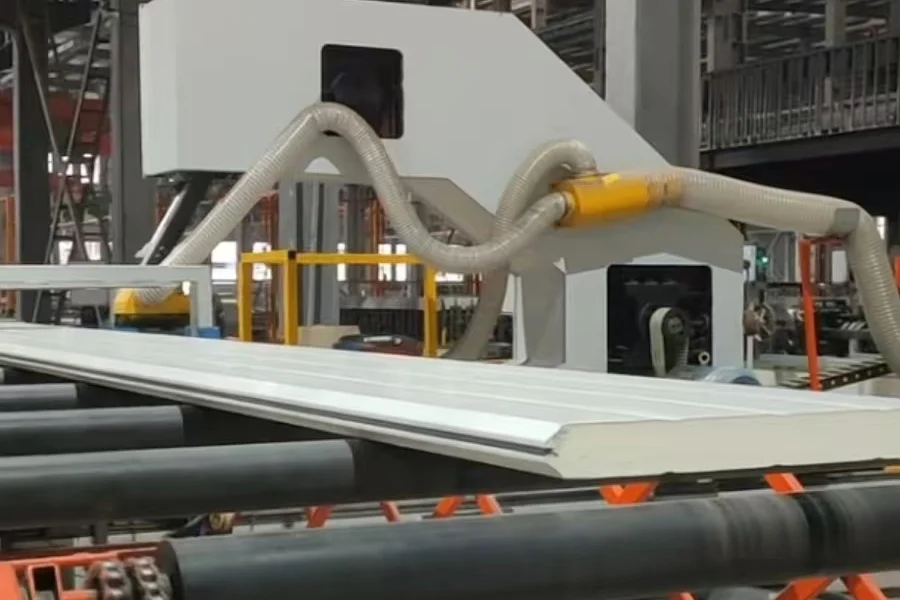
Extreme boundary scenario model: in the initial stage, a matching 1 inch shaft and 1 inch coupler route should allow a coherent insertion boundary. In the middle stage, repeated rotation and minor vibration can reveal whether the interface remains stable or begins to mark one side of the contact zone. In the extreme stage, a mismatch between 1 inch and 1-1/4 inch routes can become more serious because the system cannot compensate for a basic dimensional mismatch through surface finish alone. A galvanized surface may protect against light corrosion, but it cannot correct a bore route error.
Cross-dimensional comparison case: compare a buyer who validates only the product photo with a buyer who validates the bore route and model code. The photo-based buyer may treat all shaft couplers as interchangeable because the shapes look similar. The bore-based buyer separates BT-SH605, BT-SH606, BT-SH607, BT-SH609 from BT-SH610, and treats BT-SH608 as a route requiring clear confirmation. The second method reduces ambiguity without needing unsupported engineering claims.
| Catalog Route | Confirmed Bore Data | Confirmed Length Data | Material or Finish Route | Practical Boundary Meaning |
|---|---|---|---|---|
| BT-SH605 | 1 inch | 90mm | Aluminum | Light material route with shorter span |
| BT-SH606 | 1 inch | 90mm | Galvanized finish | Protected surface route with shorter span |
| BT-SH607 | 1 inch | 120mm | Aluminum | Light material route with longer span |
| BT-SH608 | 1 inch and 1-1/4 inch | Not stated in the supplied data | Galvanized finish | Bore route must be clarified before use |
| BT-SH609 | 1 inch | 120mm | Galvanized finish | Protected surface route with longer span |
| BT-SH610 | 1-1/4 inch | 120mm | Galvanized finish | Larger bore route with longer span |
90mm and 120mm as Load-Path Span, Not Simple Length
The catalog confirms two major length routes in the shaft coupler group: 90mm and 120mm. The short route appears in BT-SH605 and BT-SH606. The longer route appears in BT-SH607, BT-SH609, and BT-SH610. This should not be reduced to a simple size preference. In a rotating connection, length is part of the contact span over the shaft section, and that span influences how the connection area is distributed along the axis.
This does not mean the catalog proves a higher load rating for 120mm couplers. It does not provide load data, torque data, endurance data, or safety factor data. The correct case-study interpretation is narrower but still useful: 90mm and 120mm represent different coverage spans, and coverage span changes the physical relationship between the coupler body and the shaft section. A longer span can provide more axial coverage, while a shorter span may suit a more compact connection envelope. The final choice still requires actual shaft layout confirmation.
Mechanism breakdown: a coupling span creates a zone where rotational continuity and axial alignment must remain consistent. If the span is too short for the service expectation, the contact zone may be more sensitive to localized marks, edge pressure, or small alignment errors. If the span is unnecessarily long for the available shaft space, it may interfere with nearby components or create assembly conflict. Since the verified catalog only gives 90mm and 120mm length records, the safest language is not “stronger” or “weaker,” but “shorter span route” and “longer span route.”
Extreme fatigue timeline model: during early operation, a correct span route simply acts as a stable coverage section. During middle-stage operation, repeated opening cycles and small vibration can concentrate marks at the edges if the coupler is not seated evenly. During extreme-stage disturbance, any mismatch between shaft condition, bore route, and span route can amplify contact instability. This model helps a buyer understand why length is not just a warehouse label. It is part of the mechanical contact story.
Cross-dimensional comparison case: compare BT-SH606, a 1 inch, 90mm, galvanized finish route, with BT-SH609, a 1 inch, 120mm, galvanized finish route. Both share the same confirmed bore route and surface finish path, but they do not share the same span route. That makes them useful for evaluating length-based specification discipline without mixing material-route differences. A second comparison between BT-SH605 and BT-SH607 gives the same length contrast within the aluminum route.
PRO-TIP / CHECKLIST
- Confirm whether the shaft route is 1 inch or 1-1/4 inch before selecting a model.
- Separate 90mm and 120mm records in warehouse labels and purchase notes.
- Treat BT-SH608 as a bore-route confirmation item because two inside-diameter routes are recorded.
- Do not infer torque rating, coating thickness, or service life unless the supplier provides records.
- Inspect galvanized surfaces for visible scratches, rust spots, and uncovered areas.
- Inspect aluminum bodies for dents, cracked edges, bore deformation, and handling marks.
- Use trial insertion to verify practical assembly behavior before bulk installation.
Aluminum Body and Galvanized Finish Under Repeated Service Disturbance
The catalog separates shaft coupler routes not only by bore and length, but also by material or finish. BT-SH605 and BT-SH607 are recorded as material aluminum. BT-SH606, BT-SH608, BT-SH609, and BT-SH610 are recorded with galvanized finish. This distinction matters because material body and surface route respond differently during handling, repeated motion, humidity exposure, and maintenance disturbance.
Aluminum is commonly valued in mechanical parts for lower density and corrosion resistance behavior associated with its natural oxide film. In this product case, the verified statement is only that selected coupler models use an aluminum material route. The catalog does not state alloy grade, temper, hardness, wall thickness, or anodizing. A careful article must not claim those details. The safe engineering inference is that aluminum routes should be checked for local dents, bore edge deformation, surface scoring, and pressure marks, especially when the part is handled repeatedly or tightened against a shaft surface.
Galvanized finish routes should be read as surface-protection routes rather than universal durability promises. A galvanized surface can provide sacrificial corrosion protection when intact, but the catalog does not provide zinc thickness, salt-spray hours, or coating specification. Surface inspection should therefore focus on visible continuity: uncovered areas, rust points, heavy scratches, or damaged bore edges. A galvanized part with a damaged surface may still assemble, but the surface-protection logic has been compromised at the exposed area.
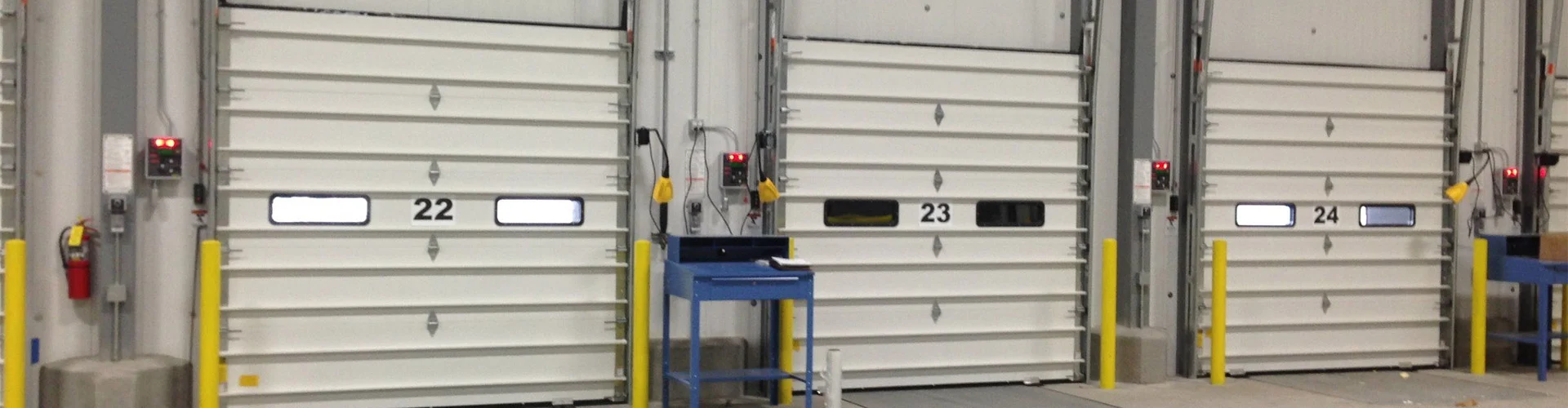
Extreme service disturbance model: in the early phase, aluminum and galvanized routes may both look acceptable after standard visual inspection. In the middle phase, repeated handling may make aluminum show localized pressure marks, while galvanized surfaces may show scratches or coating breaks. In the extreme phase, a poor match between bore route, shaft condition, and repeated vibration can turn small marks into more meaningful interface wear. These are physical inferences, not catalog-certified outcomes.
Cross-dimensional comparison case: compare BT-SH607, a 1 inch, 120mm aluminum route, with BT-SH609, a 1 inch, 120mm galvanized finish route. The bore and length records align, while the material or finish path changes. That comparison isolates the material-surface question more cleanly than comparing parts with different bore and length routes at the same time. A buyer can ask for drawings, material confirmation, coating information, and sample inspection images without converting the request into unsupported claims.
For acceptance control, the factory-level logic should be practical and documentable. Incoming or final inspection can verify the marked model, inside diameter route, length route, surface condition, bore edge quality, and trial assembly behavior. Calipers or plug gauges may be used for dimensional checks, while visual inspection can screen for burrs, dents, rust spots, and coating breaks. Trial insertion confirms whether the shaft enters smoothly and whether the connection feels stable before the part moves to bulk use. These checks are not a substitute for a full engineering test report, but they are a realistic control layer when the catalog does not provide a dedicated tolerance sheet.
| Control Point | Aluminum Route Expectation | Galvanized Finish Route Expectation | Common Inspection Basis |
|---|---|---|---|
| Bore route | Match 1 inch where recorded | Match 1 inch or 1-1/4 inch where recorded | Caliper, plug gauge, trial insertion |
| Length route | Confirm 90mm or 120mm | Confirm 90mm or 120mm | Caliper measurement |
| Surface condition | No cracks, heavy dents, or bore deformation | No visible rust, uncovered areas, or heavy coating damage | Visual inspection |
| Edge condition | Smooth bore edge without damaging burrs | Smooth galvanized edge without flaking risk | Touch-safe and visual screening |
| Assembly behavior | Shaft inserts without forced deformation | Shaft inserts without coating scrape concentration | Controlled trial fit |
The case-study lesson is simple: a shaft coupler cannot be evaluated by one parameter alone. Bore size defines the rotational boundary, length defines the contact span, and material or finish route defines how the part should be inspected under repeated service disturbance. The safest sourcing conversation is built around confirmed model data, visible inspection evidence, and a clear separation between what the catalog states and what still requires supplier documentation.
Frequently Asked Questions (FAQ)
How much does it cost to replace garage door springs?
Spring replacement cost depends on door size, spring type, labor market, and whether other hardware needs service. A shaft coupling is not a spring, but coupler condition can still be reviewed during spring-related maintenance because both areas belong to the rotating shaft system.
How tall is a standard garage door?
Many residential garage doors are commonly around 7 or 8 feet tall, but actual size varies by region and building design. Shaft coupling selection should not be based on door height alone; it should be based on confirmed shaft diameter, coupler length, and system layout.
How long does it take to install a garage door?
Installation time depends on door type, site condition, track setup, spring system, and installer experience. Shaft coupler validation should be completed before or during assembly, because a bore mismatch between 1 inch and 1-1/4 inch routes can delay installation.
How do you sync a garage door to a car?
Vehicle syncing usually involves the opener receiver, remote system, and car transmitter interface. It is not directly related to a shaft coupler. A shaft coupling belongs to the mechanical rotation path, while car syncing belongs to the electrical control path.
How do you reset a Craftsman garage door opener?
Resetting an opener usually involves the opener control panel, learn button, or remote programming process. It does not verify shaft coupling condition. Mechanical hardware such as a coupler should be inspected separately for bore match, length route, surface condition, and secure assembly behavior.
 English
  Русский
  日本語
日本語  한국어
한국어  Français
  Deutsch
  العربية
  Português
  Español