
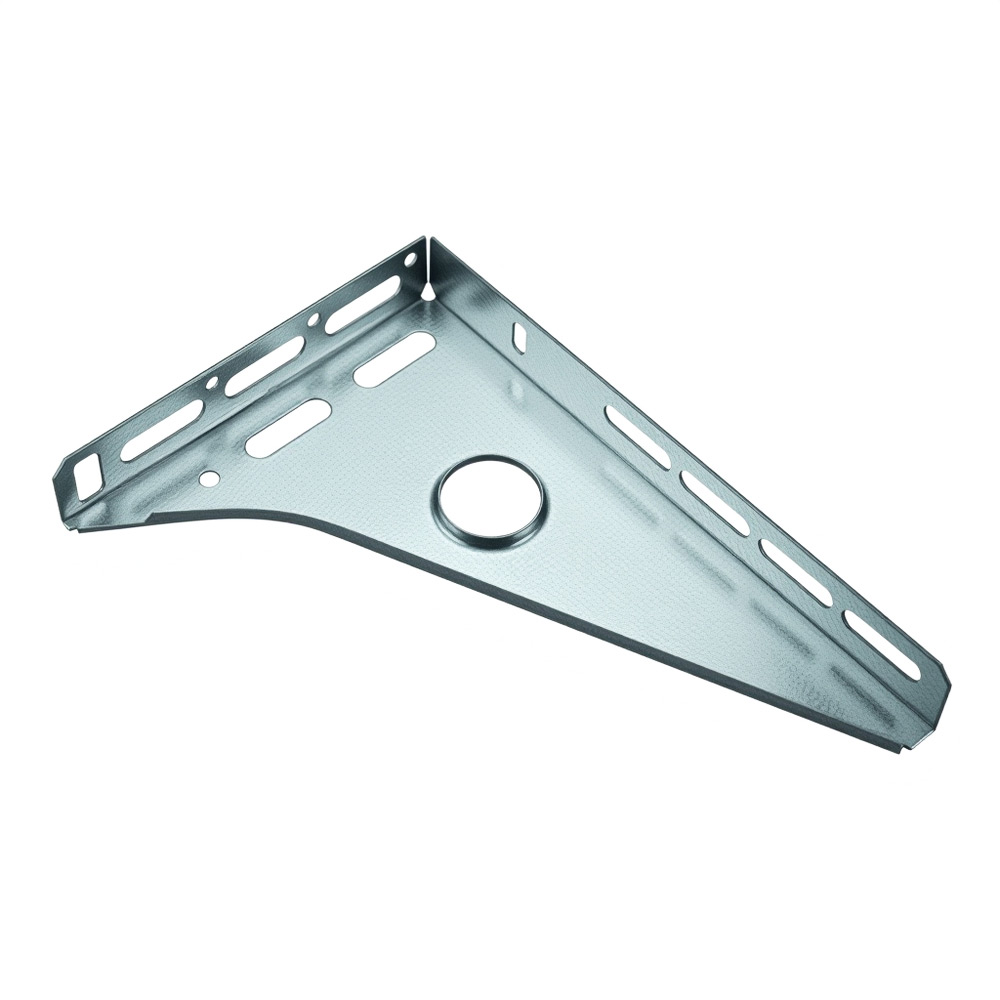
Understanding Load Distribution in C Channel Brackets and Cross Beams
In the realm of structural engineering, ensuring the integrity and stability of load-bearing systems is paramount. This is particularly true when dealing with c channel brackets and cross beams, which serve as critical components in various applications. Load imbalances can lead to structural fatigue, compromising the overall performance and safety of the system. This article delves into the engineering challenges associated with load distribution in these components, offering technical guidance to installation planners and structural component installers. By analyzing the mechanical load paths, we can identify potential issues and propose solutions to enhance stability and durability.
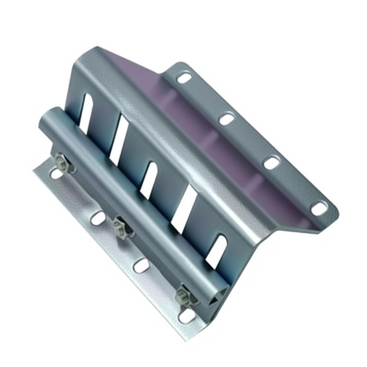
The use of c channel brackets and cross beams is widespread in construction and industrial applications, where they provide essential support for various structures. However, improper load distribution can lead to significant challenges. One of the core pain points in this context is the load imbalance that may arise due to uneven weight distribution across the brackets and beams. This imbalance can cause localized stress concentrations, leading to material fatigue and ultimately, structural failure.
Mechanical Load Path Analysis
To address these engineering challenges, it is crucial to perform a thorough mechanical load path analysis. This involves understanding how loads are transferred through the system and identifying critical points where imbalances may occur. The analysis should consider various factors, including the geometry of the components, the materials used, and the expected load conditions.
One significant challenge is the design of the c channel bracket itself. The geometry of the channel can influence how loads are distributed. For instance, a deeper channel may provide better resistance to bending, while a shallower channel may be more susceptible to deformation under load. Additionally, the orientation of the bracket in relation to the load can significantly affect its performance. Careful consideration of these factors during the design phase can mitigate potential issues related to load imbalance.
Installation Practices and Maintenance
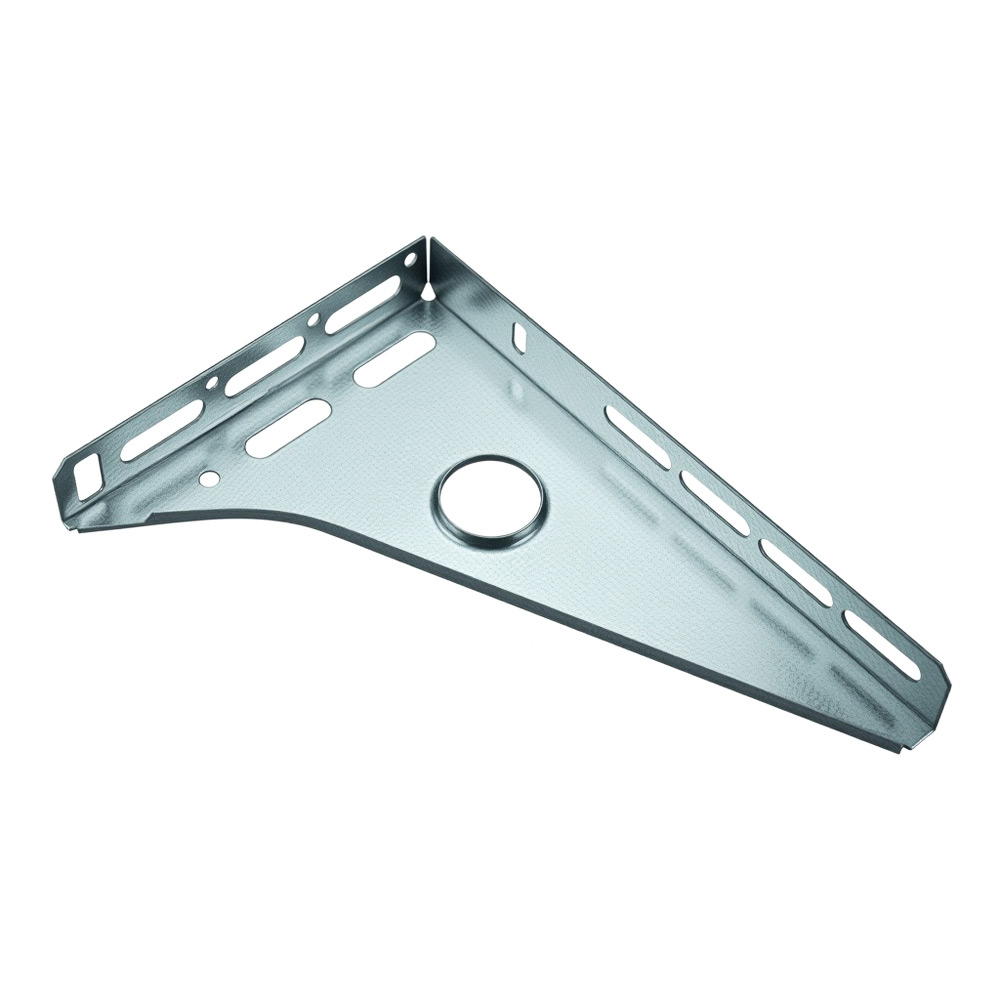
In addition to design considerations, installation practices play a crucial role in ensuring load stability. Improper installation can lead to misalignment, which can further exacerbate load imbalances. Installation planners must ensure that all components are correctly positioned and secured. This includes verifying that the c channel brackets are level and that the cross beams are appropriately aligned with the load path.
Furthermore, regular inspection and maintenance of these components are vital to identifying any signs of wear or fatigue early on. Structural fatigue can develop over time due to repetitive loading and environmental factors. By implementing a routine inspection schedule, installation planners can address any potential issues before they lead to significant structural failures.

Enhancing Structural Performance
The results of implementing these engineering strategies can be significant. By ensuring that load distribution is properly managed, the overall stability and durability of the structure can be greatly enhanced. This not only extends the lifespan of the components but also increases the safety of the installation.
Moreover, a well-designed and properly installed c channel bracket and cross beam system can lead to improved performance under load. This is particularly important in applications where safety is a critical concern, such as in industrial settings or high-traffic areas.
It is essential to verify load parameters with engineering standards to ensure that all components are capable of handling the expected loads. This verification process should include a thorough review of design specifications and load calculations, as well as an assessment of material properties and connection integrity.
By adhering to these guidelines, structural component installers can mitigate the risks associated with load imbalances, ensuring the long-term performance and safety of their installations.
 English
  Русский
  日本語
日本語  한국어
한국어  Français
  Deutsch
  العربية
  Português
  Español