
Reliability of Garage Door Cable Drums in Tension Management
Garage door cable drums are critical components within sectional door torsion systems, directly influencing the operational safety and long-term structural integrity of overhead doors. For garage door technicians and mechanical maintenance specialists, understanding the nuances of cable-tension reliability in these drums is essential to mitigate the persistent risk of cable failure. This analysis explores the interplay between drum design, material selection, and cable tensioning, with a focus on how these factors contribute to overall system safety and fatigue resistance. By examining the structural and operational aspects of garage door cable drums, this article provides a comprehensive framework for evaluating their performance under real-world loading and fatigue scenarios, ensuring that maintenance practices align with the highest standards of mechanical safety and engineering rigor.
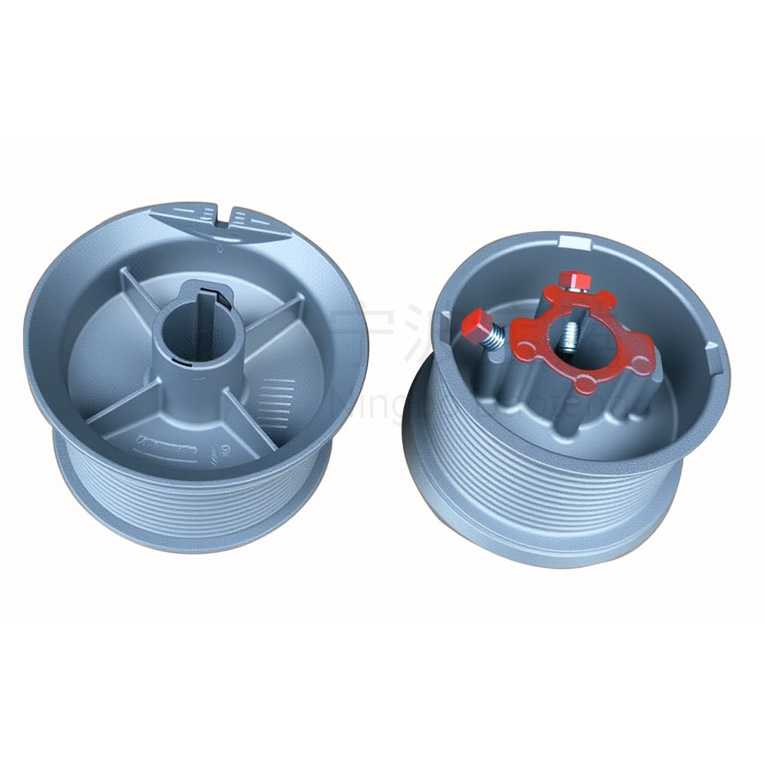
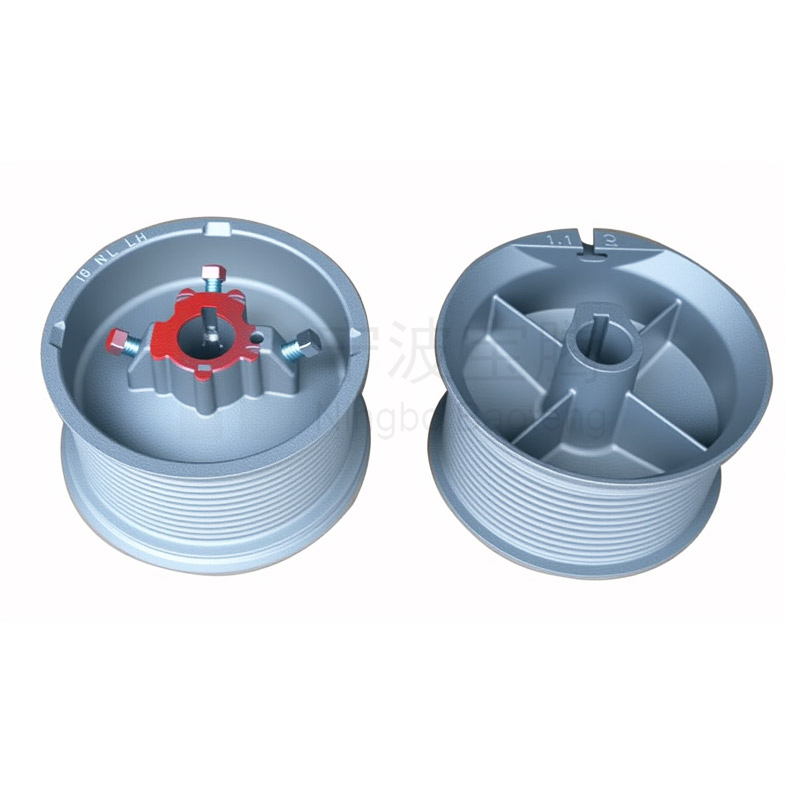
The cable drum’s primary function is to manage the winding and unwinding of lift cables as the door cycles between open and closed positions. Each drum is precisely machined to match the door weight, cable diameter, and lift type—standard, high-lift, or vertical-lift configurations. The drum’s helical grooves guide the cable, maintaining consistent tension and alignment throughout the door’s travel. Material selection, typically cast aluminum or ductile iron, is dictated by the required load-bearing capacity and anticipated service life. For heavier commercial doors, drums may feature reinforced hub designs and increased wall thickness to resist deformation under high torsional loads.
Drum-to-Shaft Interface and Groove Conformity
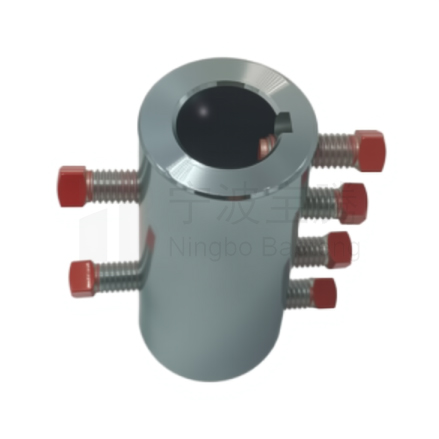
The interface between the cable drum and the torsion shaft is another point of structural significance. Drums are secured to the shaft via set screws or keyways, transmitting the torsional force generated by the wound springs. Any slippage or misalignment at this connection can introduce uneven cable tension, increasing the risk of cable jump, fraying, or catastrophic failure. For this reason, periodic inspection of drum-to-shaft connections is a critical maintenance task, especially in high-cycle environments.
Cable-tension reliability is fundamentally determined by the drum’s ability to maintain uniform cable payout and retrieval. The groove profile must match the cable diameter exactly; undersized grooves lead to excessive localized stress, while oversized grooves permit cable migration and uneven loading. Inadequate groove machining or surface finishing can also accelerate cable wear, compounding the risk of failure. For technicians, verifying groove conformity and surface integrity during routine inspections is essential to prolonging both cable and drum service life.
Evaluation of Structural Fatigue and Maintenance Protocols
The reliability of garage door cable drums is closely tied to their resistance to structural fatigue. Each opening and closing cycle subjects the drum to alternating torsional and radial loads, which, over time, can initiate microcracks or material deformation. The most common fatigue failure modes include groove wall cracking, hub loosening, and flange distortion. These failures are often exacerbated by improper cable tensioning, misaligned tracks, or inadequate lubrication. A robust maintenance protocol must therefore include regular inspection for signs of material fatigue, such as visible cracks, deformation, or abnormal drum movement.
Material fatigue efficiency is influenced by the alloy composition and manufacturing process of the drum. Cast aluminum drums offer a favorable strength-to-weight ratio for residential doors but may be more susceptible to fatigue under high-cycle loading compared to ductile iron alternatives. For commercial applications, specifying drums with heat-treated or alloyed materials can enhance fatigue resistance. Surface treatments such as anodizing or shot peening further improve crack resistance by reducing surface stress concentrations.
Operational Reliability and Safety Features
Operational reliability is also contingent on correct drum sizing and cable selection. Using a drum with insufficient cable capacity or incorrect groove pitch can result in cable stacking or overlap, leading to sudden tension loss and increased safety risk. Technicians must reference manufacturer specifications to ensure compatibility between drum, cable, and door weight. In retrofit or repair scenarios, substituting drums without verifying these parameters may compromise system integrity and accelerate fatigue failure.
The safety risk associated with cable failure is a core concern in both residential and commercial garage door systems. A failed cable can cause uncontrolled door descent, posing significant hazards to personnel and property. To address this, many modern cable drums incorporate safety features such as integrated cable retainers or enlarged flanges to prevent cable derailment in the event of slack or breakage. However, these features are only effective if the drum remains structurally sound and properly aligned with the cable path.
Inspection Protocols and Predictive Maintenance
Regular evaluation of cable drum condition is vital for maintaining cable-tension reliability and minimizing safety risks. Technicians should employ a systematic inspection protocol, including:
- Visual examination of groove wear, flange integrity, and hub security
- Measurement of groove depth and width to confirm conformity with cable diameter
- Torque verification of set screws or keyways securing the drum to the shaft
- Assessment of cable wear patterns for signs of misalignment or excessive tension
- Monitoring for abnormal noise or vibration during door operation, which may indicate developing drum or cable issues
A comprehensive technical evaluation should also consider the cumulative effect of operational cycles on drum fatigue life. High-use doors, such as those in commercial or industrial settings, may require more frequent drum replacement or upgrade to higher-grade materials. Maintenance records should document drum installation dates, observed wear, and any corrective actions taken, enabling predictive maintenance and reducing the likelihood of unexpected cable failure.
Ensuring Safety Compliance and Structural Integrity
From a structural fatigue efficiency perspective, the drum’s geometry and material properties must be optimized to distribute operational stresses evenly and minimize localized fatigue initiation sites. Finite element analysis (FEA) is increasingly used by manufacturers and engineering specialists to model stress distribution within the drum during simulated door cycles. This data informs design improvements, such as thicker groove walls, reinforced hubs, or optimized flange profiles, all aimed at extending drum service life and enhancing cable-tension reliability.
It is imperative for technicians to recognize that even minor deviations from manufacturer specifications—such as using an incorrect drum model, improper cable installation, or neglecting periodic inspection—can have a disproportionate impact on safety and fatigue performance. The consequences of cable failure extend beyond mere operational inconvenience, encompassing severe safety hazards and potential structural damage to the door system.
To ensure engineering safety compliance, all cable drum parameters must be verified against the door’s operational requirements. This includes confirming drum type (standard, high-lift, vertical-lift), groove count and pitch, material grade, and compatibility with the specified cable diameter and door weight. When replacing or upgrading cable drums, only components with documented fatigue testing and compliance certifications should be considered. Technicians should also adhere to torque specifications for drum set screws and regularly recalibrate tension settings to compensate for cable stretch over time.
Optimizing Garage Door Cable Drums for Reliable Operation
In summary, cable-tension reliability in garage door cable drums is a function of precise engineering, rigorous maintenance, and adherence to manufacturer specifications. By prioritizing structural fatigue efficiency and implementing a disciplined inspection and evaluation protocol, technicians can significantly reduce the risk of cable failure and its associated safety hazards. Ongoing technical education and familiarity with evolving drum designs and materials further enhance the ability to maintain safe, reliable garage door systems.
Verify cable drum parameters for engineering safety compliance by conducting regular inspections, measuring groove conformity, and ensuring all components meet the operational demands of the specific door system. Only through such methodical evaluation and maintenance can the core pain point of safety risk due to cable failure be effectively mitigated, safeguarding both personnel and structural assets.
For further technical documentation and installation guidelines, refer to the Baoteng Technical Documentation or consult the Engineering Specifications for garage door hardware.
 English
  Русский
  日本語
日本語  한국어
한국어  Français
  Deutsch
  العربية
  Português
  Español