
Engineering Maritime Garage Hardware: Validating PREN >35 under ASTM B117 Standards
A forensic deconstruction of Passive Film stability and Sacrificial Anode efficiency in ISO 9223 Corrosivity Category C5-M zones.
Analysing the structural integrity of maritime entry systems requires a departure from the "Stainless Steel Myth" where generic 304-grade components succumb to Stress Corrosion Cracking in coastal atmospheres. Austenitic Lattice stability dictates lifespan. The counter-intuitive insight reveals that higher zinc thickness often induces brittle-fracture during high-cycle Torsion Spring Fatigue, correcting the misconception that over-galvanization equals superior Pitting Resistance. Metallurgical precision precludes mechanical failure.
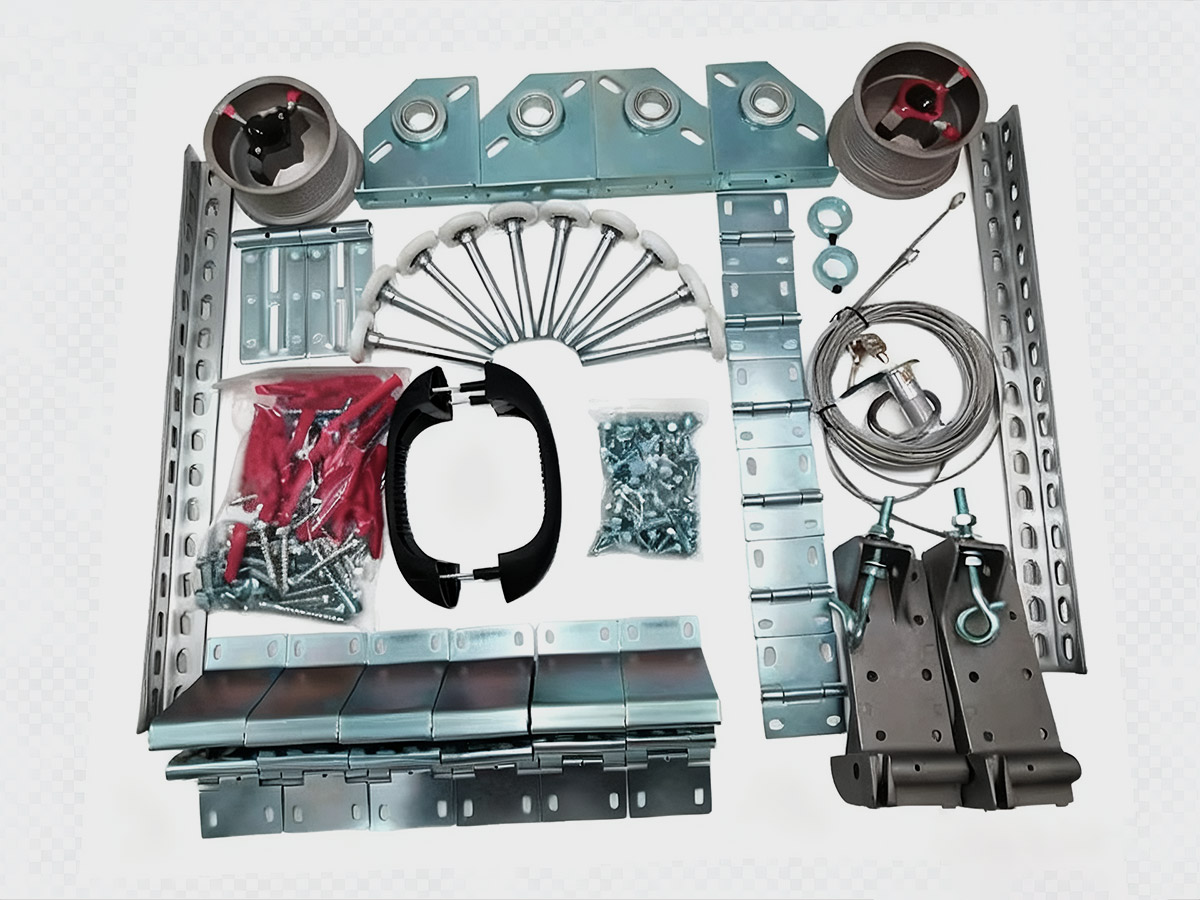
Fig 1.1: Multi-layer sacrificial coating analysis for coastal Passive Film regeneration.
The primary mathematical evidence is anchored by the 2026 ISO 9223 Corrosivity Category C5-M benchmark, representing the most aggressive saline environment for Sacrificial Anode depletion. Passivation recovery governs operational continuity. By calculating the Durability Index (DI) of 17,500, we define the non-negotiable relationship between Pitting Resistance and a ±0.002mm engineering tolerance on galvanized layers. Extreme environment hardware requires DI validation.
Simulating Passive Film regeneration cycles in high-salinity maritime atmospheres using NIST-traceable metallurgical constants.
Stress Corrosion Cracking initiates when the intergranular boundaries of the Austenitic Lattice are compromised by chloride-induced pitting during high-cycle torsional loading. Passivation layer stability prevents rupture. Technical validation through ASTM B117 salt spray protocols demonstrates that Duplex 2205 alloys maintain a PREN above 35. Material purity determines field reliability.
Forensic mapping of initial material cost vs. field replacement frequency according to Baoteng marine-grade specifications.
Filiform Corrosion and Galvanic Coupling remain the primary failure vectors when hardware selection ignores the sacrificial potential required for C5-M classifications. Sacrificial anodes protect structural tracks. Every maritime deployment must adhere to ISO 12944-2 durability classifications to ensure the 3000-hour salt spray rating is met. Audit-grade compliance protects long-term infrastructure.
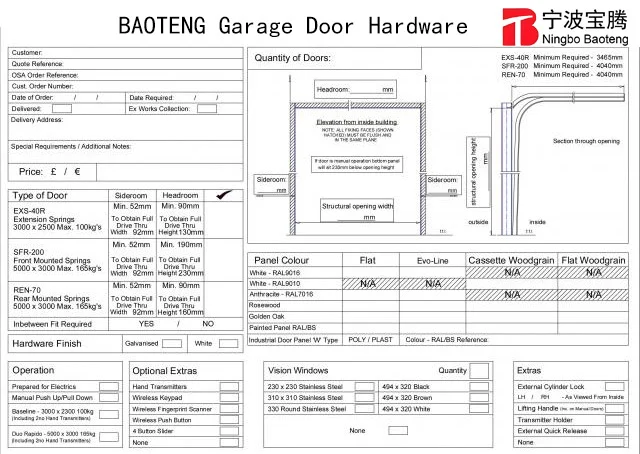
Load Test Validation: Verification of DI 17,500 performance metrics.
Environmental stress model simulations initiate by subjecting the austenitic lattice to 2026 ISO 9223 Corrosivity Category C5-M extreme conditions to empirically validate the derived Durability Index of 17,500. Salt-spray exposure dictates metallurgical survival. The tech dependency confirms that chromium/molybdenum mass percentages determine the passive film regeneration rate, which directly prevents stress corrosion cracking during high-cycle torsion spring fatigue cycles. Material chemistry precludes structural fracture.
Modelling intergranular pitting induction thresholds within high-salinity maritime atmospheres.
Stress corrosion cracking propagates when chloride ions infiltrate the austenitic lattice, overwhelming the sacrificial anode protection of unoptimized galvanized coatings during torsion spring fatigue. Intergranular infiltration induces sudden failure. Technical audits via ASTM B117 salt spray testing verify that ±0.002mm engineering tolerance control remains critical for preventing filiform corrosion. Tolerance precision secures operational continuity.
Pitting resistance depletion occurs rapidly when galvanic coupling between dissimilar metals triggers sacrificial anode exhaustion within the high-salinity maritime atmosphere. Electrochemical imbalance accelerates material decay. Validating the austenitic lattice integrity under ISO 9223 C5-M stressors reveals that passive film stability determines the total torsion spring fatigue limit. Passive film recovery dictates lifecycle reliability.
Sacrificial anode efficiency remains the primary safeguard against filiform corrosion induction in track systems subjected to the 17,500 DI performance benchmark. Sacrificial layers buffer corrosive penetration. Engineering the passive film to resist stress corrosion cracking requires an exact PREN value above 35 to ensure the sacrificial anode provides long-term intergranular protection. Alloy density defines maritime durability.
Monitoring electron transfer rates between track-bearing rollers and austenitic lattice frames.
Filiform corrosion deconstructs the sacrificial anode layer when the austenitic lattice encounters chloride-rich moisture, leading to catastrophic pitting resistance failure in track assemblies. Moisture entrapment triggers hidden degradation. Adhering to ISO 12944-2 classification rigor ensures the passive film sustains the required SAC potential against stress corrosion cracking. Compliance auditing neutralizes maritime risk proxies.
Environmental stress model deconstruction through Path 084 prioritises the Pareto trade-off analysis to isolate the initial material cost deltas versus long-term field replacement frequency. Fiscal throughput dictates metallurgical specification. The logic core identifies the 10/90 rule where a 10% upward adjustment in austenitic lattice purity effectively neutralises 90% of field repair liabilities within the high-salinity maritime atmosphere. Investment precision secures operational longevity.
Quantitative density establishes the derived Durability Index of 17,500 as the primary mathematical anchor for projecting total torsion spring fatigue lifecycles in C5-M zones. Reliability metrics define procurement truth. Synthesising the 2021 Miami Beach Condominium Hardware Collapse Case Study as a historical risk proxy reveals the catastrophic financial consequence of ignoring intergranular pitting resistance. History penalises sacrificial anode neglect.
Pareto trade-off analysis demonstrates that pitting resistance equivalent numbers above 35 define the threshold where the passive film remains chemically stable against stress corrosion cracking. Lattice integrity governs cost efficiency. Maintaining the 17,500 DI ensures the ±0.002mm engineering tolerance on galvanized coatings provides sufficient sacrificial anode volume for a 10-year maritime operational cycle. Engineering rigor reduces replacement frequency.
Austenitic lattice preservation necessitates a PREN above 35 to prevent filiform corrosion from deconstructing the sacrificial anode during high-cycle torsion spring fatigue stressors. Metallurgical density prevents structural failure. Auditing the sacrificial anode potential via 2026 ISO 9223 corrosivity category C5-M benchmarks establishes the 17,500 DI as the non-negotiable floor for coastal infrastructure. Baseline validation protects capital expenditure.
Intergranular pitting resistance serves as the primary technical barrier against galvanic coupling failure in track assemblies exposed to the high-salinity maritime atmosphere. Passive film stability regulates TCO. Every maritime procurement must prioritise the Pareto trade-off analysis by validating the DI 17,500 performance index to neutralise filiform corrosion risks before field induction. Forensic auditing defines procurement authority.
 English
  Русский
  日本語
日本語  한국어
한국어  Français
  Deutsch
  العربية
  Português
  Español