
Rolling-friction reliability of galvanized steel roller in sliding door alignment
For engineers and specifiers, the galvanized steel roller is a cornerstone in achieving quiet, durable, and precisely aligned sliding door systems. Its engineered surface and bearing design are fundamental to controlling noise and friction, ensuring dependable performance in demanding environments.
Reliability factors of galvanized steel roller in sliding door systems
In sliding door alignment systems, the selection of roller components is critical to achieving stable, low-noise, and long-lasting operation. Among available materials, the galvanized steel roller is frequently chosen for its balance of structural strength, corrosion resistance, and consistent rolling characteristics. For door alignment engineers, understanding the mechanical durability and rolling-friction behavior of these rollers is essential, particularly when noise and friction control are primary concerns. This technical review systematically examines the structural properties, reliability factors, and performance evaluation methods relevant to galvanized steel rollers in sliding and rolling applications, with a focus on their impact on alignment precision and operational quietness.
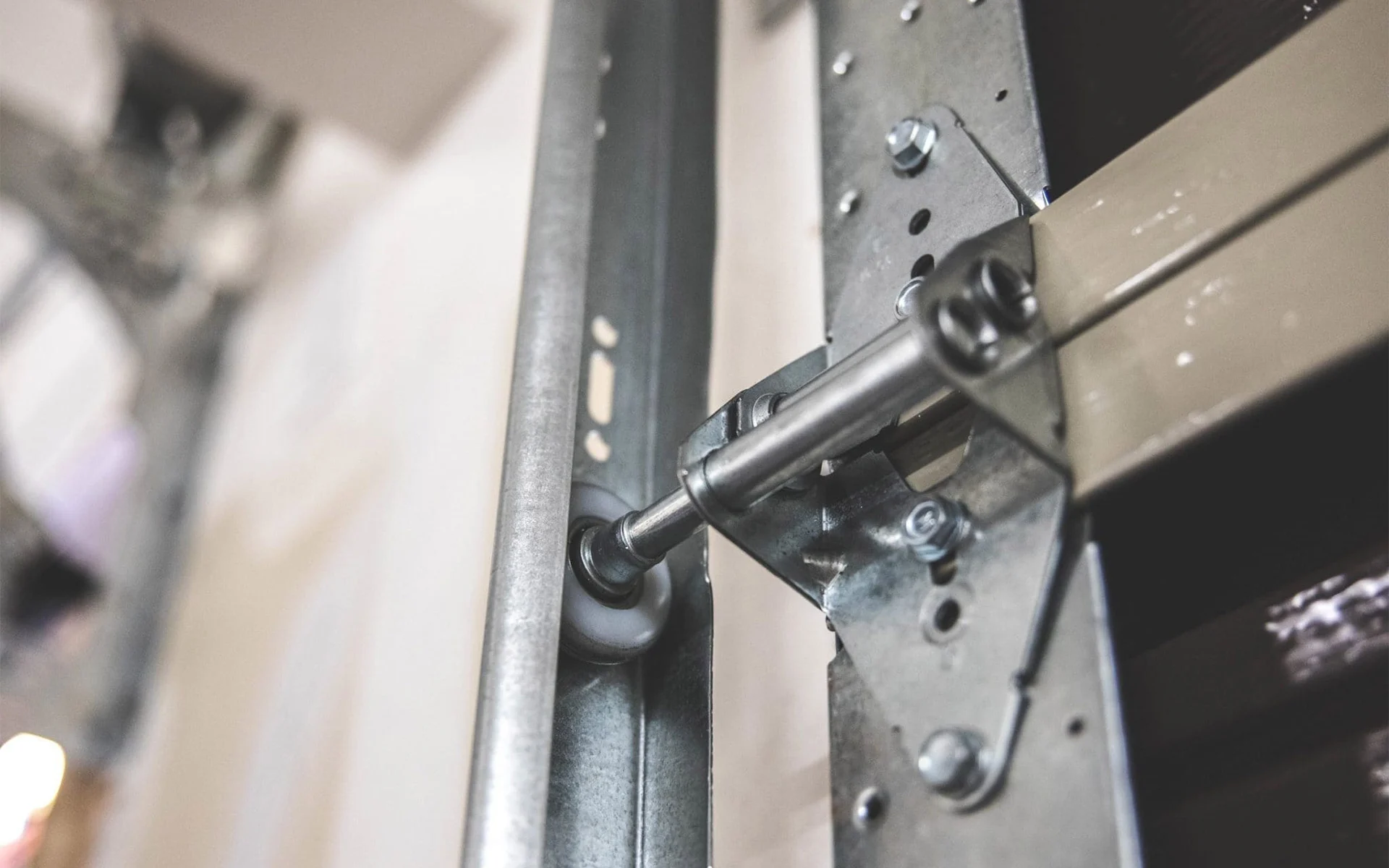
The galvanized steel roller is fundamentally composed of a steel core, which is coated with a layer of zinc through a galvanization process. This coating provides a dual function: it protects the underlying steel from oxidation and wear, and it offers a smoother surface for contact with the track. In sliding door assemblies, the roller is typically mounted on a precision-ground axle, supported by either plain or ball bearings, and interfaces with a steel or aluminum track. The geometry of the roller—most commonly a cylindrical or crowned profile—directly influences the contact area and, consequently, the rolling friction encountered during operation.
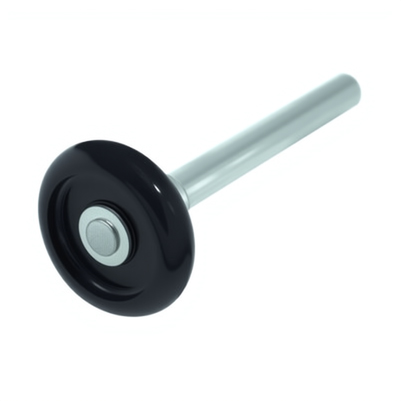
Material selection for the roller core is generally SAE 1018 or 1020 low-carbon steel, chosen for its machinability and adequate tensile strength. The zinc coating, typically applied via hot-dip or electro-galvanization, ranges from 8 to 20 microns in thickness, depending on the environmental exposure requirements. The bearing type—open, shielded, or sealed—affects not only the rolling resistance but also the ingress protection against dust and moisture, which are significant contributors to noise and premature wear.
The rolling-friction behavior of galvanized steel rollers is a function of several interacting variables: surface roughness of both roller and track, bearing internal clearance, applied load, lubrication state, and the presence of contaminants. Rolling friction, as opposed to sliding friction, is inherently lower due to the minimized area of adhesive contact. However, any deviation in roller roundness, track alignment, or bearing integrity can lead to increased friction, resulting in elevated noise levels and compromised door alignment.
Reliability in galvanized steel rollers is assessed by their ability to maintain low rolling resistance and structural integrity over extended operational cycles. The zinc coating serves as the primary barrier against corrosion-induced pitting, which can otherwise propagate into the steel substrate and alter the roller’s geometry. In high-cycle environments, such as commercial garage doors, the roller must withstand repeated impact loads and minor misalignments without developing flat spots or excessive play within the bearing assembly.
Noise control, a core pain point for door alignment engineers, is closely tied to both the rolling-friction coefficient and the damping characteristics of the roller-track interface. Empirical studies indicate that surface finish quality—measured by average roughness (Ra) values below 0.8 µm—significantly reduces vibration transmission from the roller to the door structure. Additionally, the use of precision-sealed bearings with low-viscosity lubricants minimizes both frictional losses and the generation of high-frequency noise, especially during rapid door movement.
Performance evaluation and mechanical durability of galvanized steel roller
From a mechanical durability perspective, the fatigue life of the roller is governed by the Hertzian contact stresses at the roller-track interface and the cyclic loading imposed by door movement. Finite element analysis (FEA) of typical roller geometries under standard loading conditions (e.g., 150–200 N per roller) shows that the stress distribution remains within safe limits provided the zinc coating is intact and the bearing is free of contamination. However, localized wear or corrosion can act as a stress concentrator, accelerating failure modes such as spalling or bearing seizure.
In practical alignment scenarios, misaligned tracks or improper roller installation can exacerbate both friction and noise issues. For example, even a 0.5 mm deviation in track parallelism can lead to uneven roller loading, resulting in increased side thrust on the bearing and a measurable rise in rolling resistance. This, in turn, manifests as audible squeaking or rumbling, particularly at the transition points of multi-panel sectional doors. Door alignment engineers must therefore verify not only the roller’s material and bearing quality but also the precision of track installation and ongoing maintenance practices.
Evaluation of galvanized steel roller performance involves both laboratory and field-based methods. Laboratory tests typically include rolling resistance measurement using instrumented test rigs, where the coefficient of rolling friction is recorded under controlled loads and speeds. Acoustic emission analysis is also employed to quantify noise output across the frequency spectrum, allowing engineers to correlate specific surface or bearing defects with audible phenomena. In field applications, engineers use portable vibration and sound level meters to monitor roller performance during actual door operation, providing real-time feedback on alignment and lubrication effectiveness.
A critical aspect of performance evaluation is the monitoring of frictional heat generation. Excessive heat at the roller-track interface is a clear indicator of elevated rolling friction, often due to inadequate lubrication or bearing degradation. Infrared thermography can be used to detect localized temperature rises, enabling targeted maintenance interventions before significant noise or alignment issues develop.
To ensure reliable sliding door alignment, door alignment engineers must implement a systematic verification protocol for galvanized steel rollers. This includes initial inspection of roller concentricity (typically within 0.1 mm total indicator reading), verification of zinc coating thickness, and assessment of bearing smoothness through manual rotation and torque measurement. During installation, it is imperative to maintain parallelism and levelness of the track to within manufacturer-specified tolerances, as even minor deviations can propagate into persistent noise and friction problems.
Long-term reliability depends on scheduled maintenance, including periodic lubrication with appropriate greases and inspection for signs of zinc coating wear or bearing contamination. Replacement intervals should be based on cycle counts and observed performance trends, rather than arbitrary time periods, to ensure that rollers are retired before the onset of critical failures such as bearing lockup or roller fracture.
In summary, the mechanical durability and rolling-friction behavior of galvanized steel rollers are central to achieving noise-controlled, precisely aligned sliding door systems. By focusing on material integrity, surface finish, bearing quality, and installation accuracy, door alignment engineers can address the core pain point of noise and friction control from a fundamentally engineering-based perspective. Technical evaluation methods—ranging from laboratory friction testing to field-based acoustic monitoring—provide the necessary data to inform maintenance schedules and component selection.
For engineering-grade safety compliance, it is essential to verify all roller parameters against both manufacturer and industry standards. This includes dimensional accuracy, coating integrity, bearing specification, and operational performance under load. Only through rigorous, data-driven evaluation can the long-term reliability and quiet operation of galvanized steel rollers in sliding door alignment applications be assured.
For further technical documentation and engineering support, please refer to the Baoteng technical documentation or review roller load testing reports for comprehensive performance data.
Optimizing galvanized steel roller selection for noise and durability
Selecting the right galvanized steel roller is essential for achieving stable, quiet, and long-lasting sliding door alignment. By prioritizing material quality, surface finish, and precision installation, engineers can ensure optimal rolling-friction performance and minimize maintenance interventions. For detailed installation guidance and after-sales support, visit the Baoteng installation tutorials or contact the technical team for tailored recommendations.
 English
  Русский
  日本語
日本語  한국어
한국어  Français
  Deutsch
  العربية
  Português
  Español