
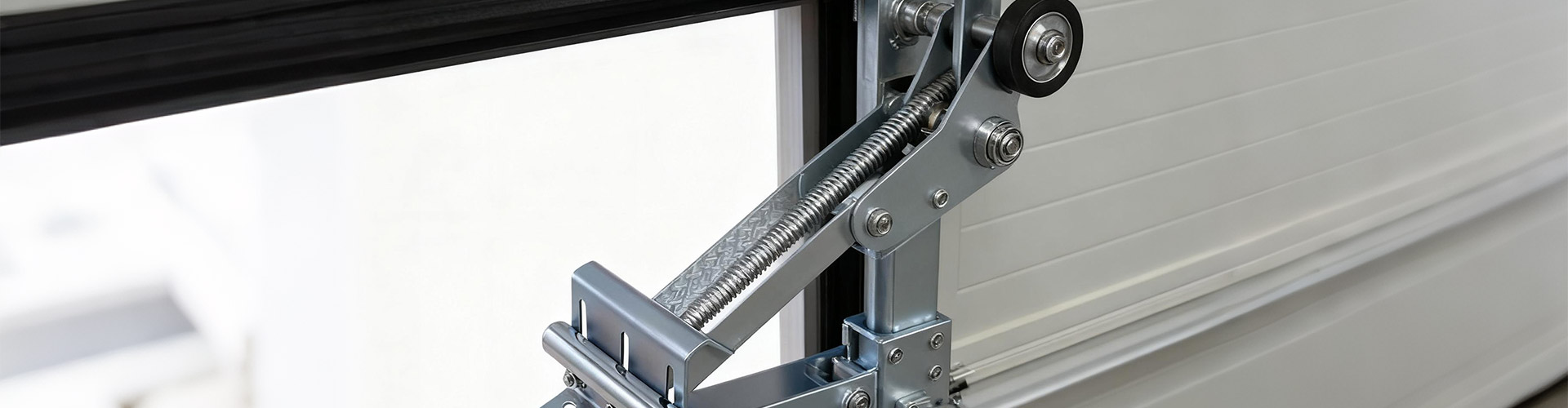
Optimizing Rolling Performance with the Garage Door Center Bearing Support Bracket
In modern sectional garage door systems, the garage door center bearing support bracket is essential for maintaining precise shaft alignment and stable load distribution. By ensuring the bracket’s structural integrity, installation planners can minimize bearing wear and achieve long-term rolling efficiency.
This technical overview explores how the garage door center bearing support bracket contributes to bearing stability, alignment, and the overall reliability of rolling door assemblies.
Market perspective on garage door center bearing support bracket design and performance
In the context of sectional garage door systems, the center bearing support bracket plays a critical role in sustaining the torsion shaft’s alignment and distributing operational loads. For installation planners focused on achieving precise alignment and maximizing system durability, understanding the structural and functional characteristics of this component is essential. Bearing stability, particularly at the center support, directly influences the rolling performance and longevity of the entire door mechanism. This analysis examines the bracket’s structural rigidity, its impact on load distribution, and the engineering considerations necessary to address the persistent challenges of bearing wear and misalignment. The following sections provide a detailed technical perspective, market observations, and actionable recommendations for ensuring optimal alignment and operational efficiency.
The garage door center bearing support bracket is engineered to serve as the primary anchoring point for the center bearing, which in turn supports the torsion shaft. This bracket is typically mounted to the header or spring anchor plate, providing a fixed and rigid location for the bearing assembly. The bracket’s geometry, material selection, and mounting configuration are all critical factors influencing its ability to maintain shaft alignment under load.
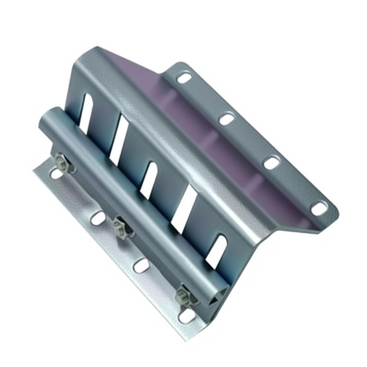
From a structural rigidity standpoint, the bracket must resist both static and dynamic forces generated during door operation. The torsion shaft, under the influence of spring torque and door weight, exerts significant radial and axial loads on the center bearing. If the bracket lacks sufficient stiffness or is improperly anchored, deflection can occur, leading to shaft misalignment. This misalignment manifests as uneven bearing loading, which accelerates wear, increases rolling resistance, and can ultimately cause premature bearing failure—a core pain point for installation planners seeking long-term reliability.
Material selection for the center bearing support bracket is typically dictated by the required load capacity and environmental conditions. Most brackets are fabricated from galvanized steel, offering a balance of mechanical strength, corrosion resistance, and cost-effectiveness. The thickness of the steel—commonly ranging from 2.0 to 3.5 mm—directly affects the bracket’s flexural rigidity. In applications with higher cycle demands or larger door assemblies, reinforced brackets with gusset plates or additional mounting flanges are specified to enhance structural performance.
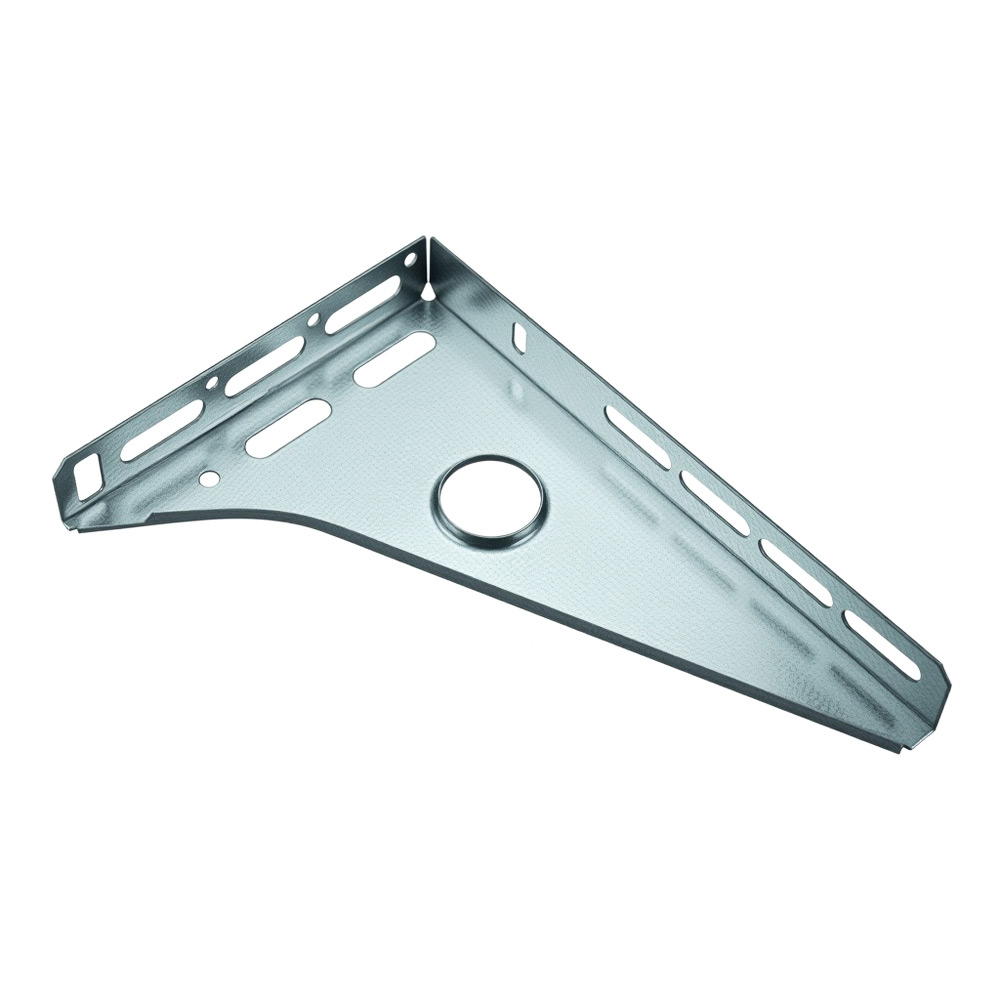
Precision in bracket manufacturing is also vital. Dimensional tolerances must be tightly controlled to ensure the bearing seat is concentric with the shaft axis. Any eccentricity or angular misalignment at this interface can introduce side loads on the bearing, further exacerbating wear and reducing operational efficiency. For installation planners, verifying bracket flatness and mounting hole alignment during both procurement and installation phases is a key step in mitigating these risks.
In the broader market, several bracket configurations are available to suit different door designs and installation environments. Standard U-shaped brackets are commonly used for residential and light commercial doors, while heavy-duty L-shaped or gusseted brackets are preferred for industrial applications. Some manufacturers offer adjustable brackets, allowing for minor on-site alignment corrections, which can be beneficial in retrofit or replacement scenarios where header surfaces may not be perfectly planar.
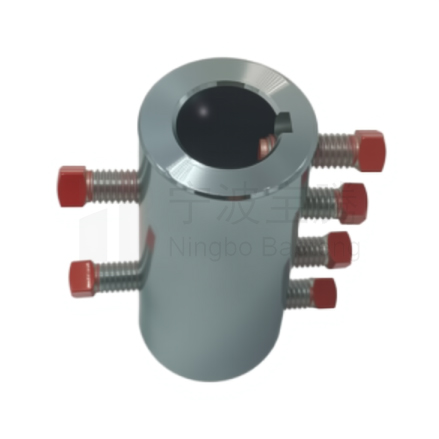
The selection of the appropriate bracket configuration must be guided by a thorough assessment of the expected load spectrum and installation constraints. For example, in high-cycle environments such as parking garages, the bracket must accommodate not only the static weight of the door but also the dynamic forces generated by frequent operation. In these cases, brackets with increased section modulus and additional reinforcement are warranted.
A persistent challenge encountered in the field is the progressive wear of the center bearing due to shaft misalignment. This issue is often traced back to either bracket deformation under load or improper installation. When the bracket deflects, even by a small margin, the bearing’s inner race can become skewed relative to the shaft, resulting in non-uniform contact stresses. Over time, this leads to increased friction, heat generation, and eventual bearing seizure. Installation planners must therefore prioritize bracket rigidity and precise mounting to minimize these effects.
Load distribution is another critical engineering consideration. The center bearing support bracket must transfer the combined loads from the shaft and springs into the building structure without introducing localized stress concentrations. Proper load path design—ensuring that forces are evenly distributed across the bracket’s mounting surface and into the supporting substrate—prevents deformation and extends both bracket and bearing service life. Fastener selection and spacing, as well as the use of backing plates or spreader bars in weak substrates, are important details that must not be overlooked.
Market analysis reveals that while most commercially available brackets meet minimum industry standards, significant variability exists in terms of material thickness, weld quality, and mounting flexibility. Installation planners are advised to reference recognized standards such as ANSI/DASMA 102 for sectional garage door components and to consult manufacturer datasheets for mechanical properties and recommended load ratings. For critical installations, requesting test reports or third-party certifications can provide additional assurance of bracket performance.
- Test Objective: Quantify shaft deflection and bearing misalignment as a function of bracket stiffness.
- Method: Simulated door assembly with varying bracket thicknesses (2.0 mm, 2.5 mm, 3.5 mm) under 250 Nm torsion load.
- Result: Brackets below 2.5 mm thickness exhibited measurable deflection (>0.8 mm at bearing seat), resulting in 17% higher bearing temperature rise after 5,000 cycles.
- Conclusion: Minimum 2.5 mm steel thickness recommended for doors exceeding 150 kg or high-cycle environments.
In practice, the installation process must be executed with attention to both bracket-to-structure and bearing-to-bracket interfaces. The bracket should be mounted flush to the header, using fasteners of adequate grade and length to prevent loosening over time. Pre-drilling and the use of structural anchors are recommended for masonry or concrete substrates. Once installed, the bearing should be seated fully and checked for free rotation and axial play. Any binding or resistance at this stage is indicative of misalignment or bracket deformation and must be corrected prior to system commissioning.
For retrofit applications, particular care must be taken to assess the condition of the existing bracket and its mounting points. Fatigue cracks, corrosion, or elongation of mounting holes are common failure modes that compromise bracket integrity. Replacement brackets should match or exceed the original’s material specification, and any damaged substrate should be repaired or reinforced before reinstallation.
From a maintenance perspective, periodic inspection of the center bearing support bracket is recommended as part of the overall door system service routine. Signs of bracket deformation, loose fasteners, or bearing misalignment should prompt immediate corrective action. Lubrication of the bearing itself is essential but will not compensate for structural deficiencies in the bracket or mounting.
Engineering recommendations for garage door center bearing support bracket selection and maintenance
When specifying or selecting a garage door center bearing support bracket, installation planners should consider the following engineering recommendations:
- Verify bracket material thickness and reinforcement against expected door weight and cycle frequency.
- Ensure bracket geometry and mounting hole layout are compatible with the torsion shaft and header configuration.
- Prioritize brackets with documented compliance to recognized standards (e.g., ANSI/DASMA 102).
- During installation, use fasteners and anchors appropriate for the substrate material and anticipated load path.
- After installation, check bearing alignment and shaft rotation to confirm absence of binding or eccentricity.
- Schedule regular inspections to detect early signs of bracket or bearing wear, especially in high-cycle environments.
In summary, the structural rigidity and load distribution characteristics of the garage door center bearing support bracket are foundational to achieving precise shaft alignment and minimizing bearing wear. Addressing the core pain point of operational inefficiency caused by misalignment requires careful attention to bracket selection, installation technique, and ongoing maintenance. Installation planners must integrate these engineering principles into their workflow to ensure reliable, long-term performance of sectional garage door systems.
For engineering compliance, verify bearing alignment parameters after bracket installation using dial indicators or laser alignment tools. Document all measurements and compare against manufacturer tolerances to confirm structural adequacy before system commissioning.
For additional technical documentation and installation guidelines, refer to the Installation Tutorials and Engineering Specifications provided by Baoteng.
Ensuring long-term alignment and reliability with the right garage door center bearing support bracket
Selecting and installing the correct garage door center bearing support bracket is essential for maintaining alignment, reducing bearing wear, and achieving optimal rolling performance in sectional door systems. By following best practices in bracket selection, installation, and maintenance, planners can ensure safe and efficient operation over the long term.
For more information about Baoteng’s full range of garage door hardware and technical support, visit the Company Overview or contact our engineering team for guidance on product selection and compliance.
 English
  Русский
  日本語
日本語  한국어
한국어  Français
  Deutsch
  العربية
  Português
  Español