
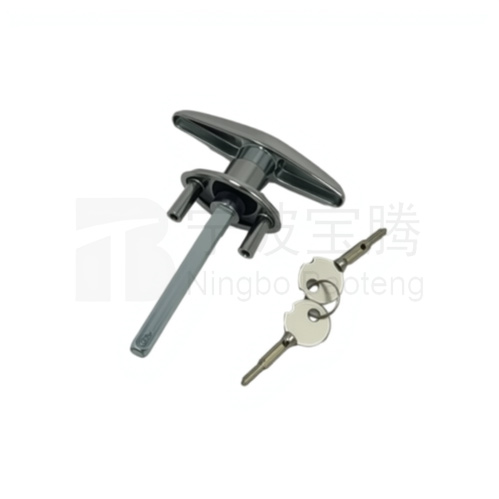
garage door locks engineered for safer access control
Many facility managers struggle with securing sectional or overhead garage doors once the mechanical lifting parts begin to age and once more people share the same entrance. Reliable garage door locks promise predictable closure, higher tamper resistance, and smoother operation even when the rest of the hardware is mixed or customized. The answer is to match the right lock format to the door type and to the rest of the hardware family so maintenance stays simple. Continue reading to see how to specify, apply, and source them with confidence.
1. Technical definition and role of garage door locks
To understand how garage door locks work in practice it is useful to think of them as mechanical restraints that link door panels or door tracks to a fixed structure so that the lifting system alone cannot open the door. In industrial and residential sectional doors this role is critical because the door curtain is composed of multiple panels, hinges, rollers, torsion springs, cable drums, and brackets that already hold some static load. A lock must add a final security point without creating misalignment or extra friction.
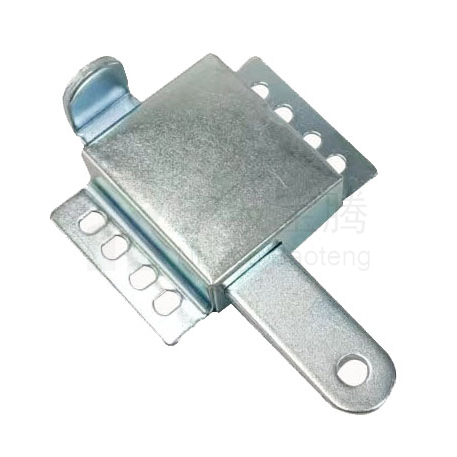
Most locks for this segment fall into four working families. The first group is the inside slide lock such as the galvanized residential deadlock which slides a bolt into the vertical track and is ideal for people who secure the door from inside the garage for the night. The second group is the side latch style similar to the reversible spring loaded latch which is popular on doors that open many times a day because the operator can engage or release it in one motion. The third group is the outside T handle lock kit with keys which connects to an internal latch through cables and allows access from outdoors. The fourth group covers emergency release or wicket door locks that integrate into pass doors. All of them aim to block the door in its balanced position so the torsion springs cannot lift the door.
In the hardware ecosystem around garage door locks other components also share security responsibilities. For instance the safety stopping bottom brackets the torsion spring break devices and the cable break safety fixtures catch the door in case of sudden failure. When a buyer specifies a lock it is a good habit to cross check compatibility with these parts so that security is layered rather than dependent on a single part. Manufacturers often perform tensile or impact tests on both the latch and the door panel sheet to confirm that the rated holding force is consistent and that deformation stays within tolerance.
Industrial users who want to document their material selection can also understand weatherproof materials for exterior hardware and can see anti corrosion coating methods used in door accessories. These internal references help connect locks with the rest of the hardware line.
A common experience in the mechanical door industry is that installers sometimes over tighten fasteners on the lock body which can slightly deform the thin sheet of sectional panels. During processing professionals always watch clearances at the strike point because even one millimeter of offset can later result in users forcing the key or pushing the slide too hard.
2. Strengths of modern lock assemblies and realistic limits
Well designed garage door locks for current sectional and overhead doors bring a mix of mechanical, operational, and maintenance advantages. Below are typical benefits observed by plant managers, private label partners, and maintenance teams.
High mechanical resistance under cyclic use
Galvanized steel latch bodies and slide bars stay stable even when door panels vibrate due to strong operators or imperfect tracks. The product lines in the provided pool use steel thicknesses around 2.0 to 2.5 millimeter on locking bodies or brackets which is a safe range for balancing strength and weight. Many factories subject this group of parts to wear tests where the bolt is engaged thousands of times to check that holes do not ovalize. This is a classic SEE style check and is widely accepted in industrial hardware.
Easy integration with other hardware
Because the lock family is part of a broad garage door platform with rollers, hinges, brackets, and couplers it often shares hole spacing and galvanizing quality with products like the safety bottom bracket SBB type or the bumper spring for small doors. This is important for OEM buyers who want all components to look consistent and who sometimes change sourcing channels. Interchangeability reduces redesign costs.
Better user confidence and lower tampering opportunity
When a door closes and a visible slide bar clicks into place users feel immediate confirmation that the door is really locked. Compared to improvised padlocks the integrated slide system has fewer exposed elements so there is less chance for accidental snagging or unauthorized removal.
Limitations to keep in mind
No single garage door lock can absorb the whole impact of a moving truck or forklift. The panel, side tracks, spring system, and brackets must first be dimensioned correctly. Some locks are also purely mechanical and do not integrate with smart home systems or remote monitoring which may be a limitation in fully automated facilities. Another practical limit is surface condition. Galvanized parts resist rust well but in coastal or chemical environments additional coating or stainless steel hardware such as the stainless center hinge is often used to match the lock with other corrosion resistant parts.
Inspection teams frequently repeat pull tests after transportation because vibration in shipping can loosen set screws. This is a regular quality control action especially for private label customers and is considered normal.
3. OEM perspective and sourcing considerations for garage door locks
A large share of garage door locks enters the market through OEM or private label routes. Buyers in Europe, North America, and the Middle East often want locks that look unified with their local panels, torsion springs, and curved tracks. At OEM level the key variables are steel grade, thickness, galvanizing method, and hole arrangement. For example a buyer who already uses the telescopic top bracket with 2.5 millimeter thickness will normally request the inside deadlock to stay in the same metallic tone to avoid visual mismatch on the finished door.
Lead times are linked to tooling and to the number of accessories in the set. A simple inside slide lock without external handle is fast to produce. A full kit like the universal keyed T handle with two keys and cable requires more work, especially when the handle finish is chrome plated. Packaging, barcode printing, and market specific instructions also extend preparation time. For private label partners that run several product lines at once it is efficient to standardize on one or two key and cable configurations so inventory stays lean.
Durability is normally proved through salt spray tests or accelerated corrosion exposure. Most industrial fixtures undergo a 48 hour or longer aging test before performance evaluation which provides enough data for indoor and sheltered outdoor garages. If the lock will be used on a door that operates next to car washing areas an extra protective sleeve on the cable is a good idea. Procurement teams can also understand quality control routines for hardware manufacture to evaluate suppliers on a uniform scale.
Buyers usually request two or three pre production samples so that installers can test the lock on real doors. In those field checks technicians note how far the bolt must travel before the strike plate accepts it and whether the bolt interferes with rollers, cable drums, or bottom brackets. This is a valuable SEE observation because the lock is never installed alone. In workshops a light oiling on the internal spring prevents noise and extends life.
4. Application scenarios and day to day use
Residential and small commercial sectional doors
In houses and workshops a basic galvanized inside slide lock such as the unit at https://baoteng.cc/product/garage-door-inside-slide-lock-inside-deadlock/ is often mounted around the central rail. Homeowners like it because it is obvious when engaged and because no external key is needed. Many long term users note that as long as the door tracks stay clean the slide operation stays smooth even in colder weather.
Daily users appreciate the quiet movement of nylon rollers like the black nylon roller wheels since it prevents door shaking that could otherwise dislodge a poorly aligned lock.
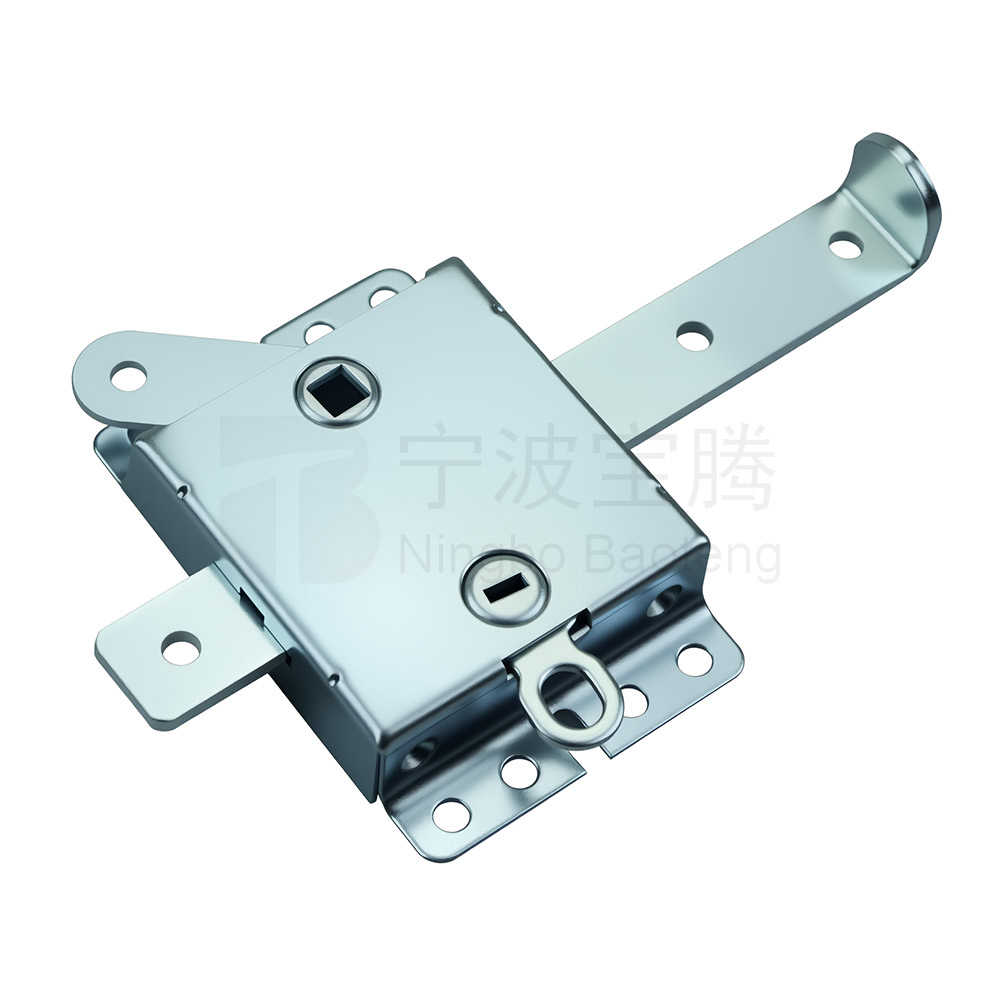
Doors with powered openers and need for emergency release
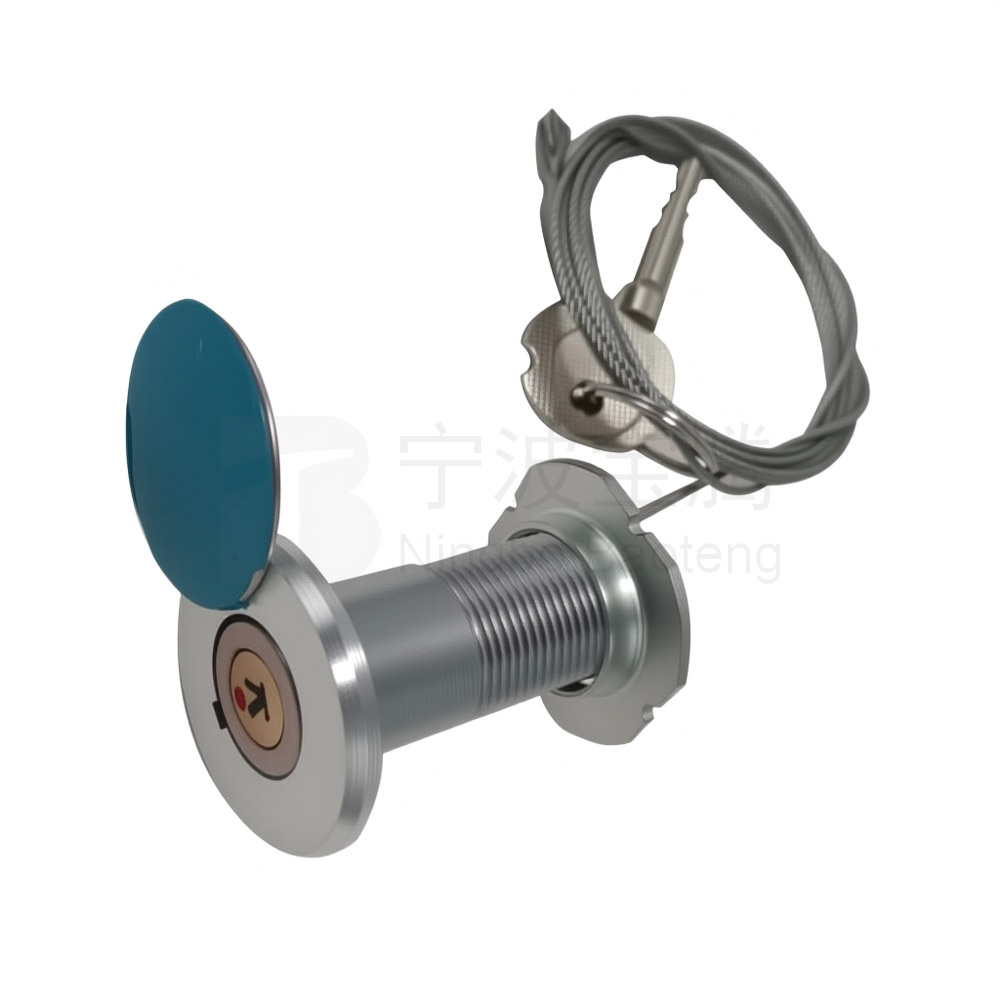
Where overhead doors are motorized, building codes often require an emergency release that works from outside. The emergency release lock kit with keys allows the operator to decouple the opener and open the door manually even in power outages. It is usually paired with high lift or standard lift drums so that force at the cable remains under control.
Installers with long experience make sure the release cable route does not cross the springs or any moving pulleys. During commissioning they pull the cable multiple times to ensure no fatigue points appear. This is another SEE example that keeps doors safe across the lifetime of the building.
Industrial panels and pass doors
Warehouses and plants sometimes add wicket gates or pass doors inside large sectional doors. For these units the wicket gate lock set with handle offers a neat solution since it was designed for vertical lift pass doors and comes as a complete package. Pairing this with damped pusher springs like the 500 millimeter pusher spring keeps the door stable when people pass through frequently.
Many maintenance staff members highlight that silicone based lubricants are preferable in these mixed motion zones because they do not stain the panel surface and do not attract dust. That small tip keeps locks and hinges moving well.
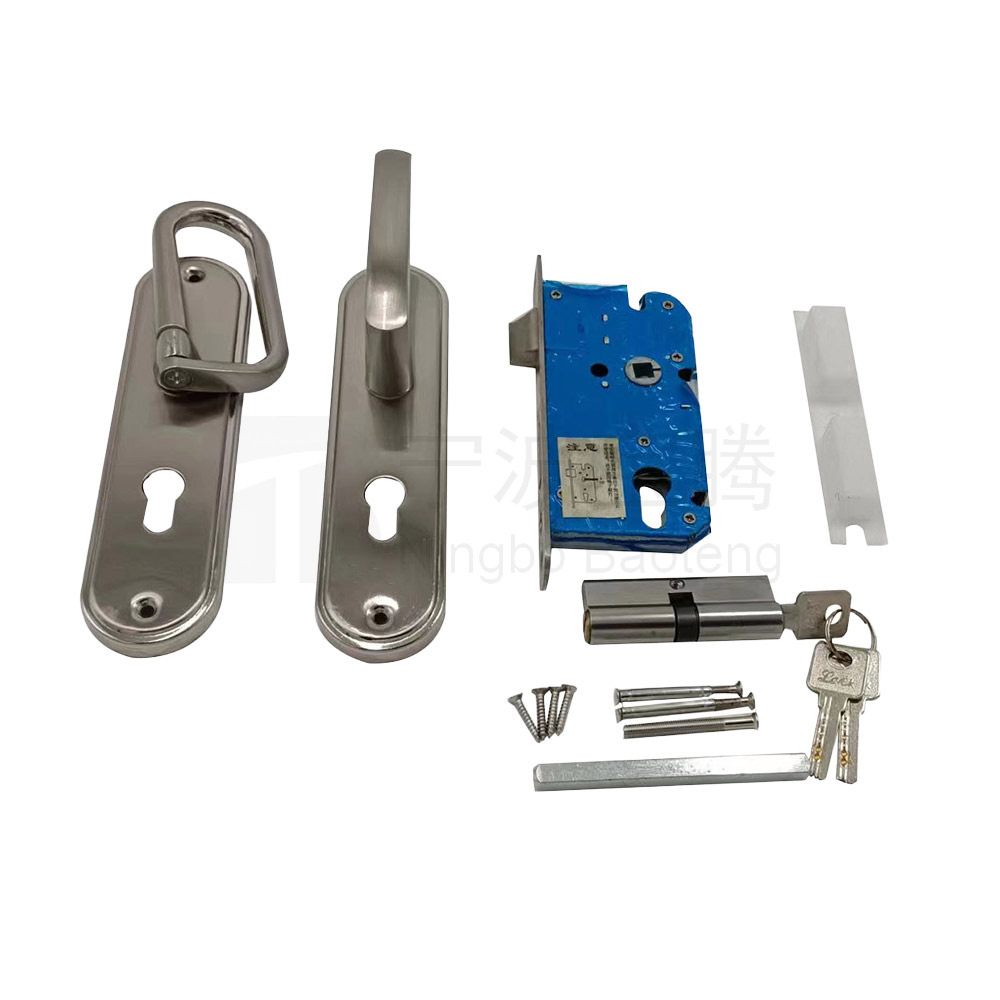
Many operators who manage cold storage docks commented that spring loaded slide locks are easier to use with gloves compared with small keyed cylinders. In low temperature areas a wide and easy to grab handle is a practical feature.
5. Comparison with other security methods for garage doors
Locks are one among several ways to secure a garage door. When choosing between them buyers must consider door location, user skill, and total cost of ownership.
Versus exterior padlock and hasp
Exterior hasps are simple but expose the securing point to weather and to tampering. An integrated galvanized slide lock sits behind the door skin so it is harder to cut and looks cleaner. Because the lock is mounted inside the protected space it also aligns better with door rollers and hinges and does not scratch vehicles.
Versus operator based locking
Some motorized doors rely on the opener to keep the door in place. That is quick but if anyone disconnects the opener the door may be lifted manually. A mechanical slide or keyed lock gives an independent securing path which is important in shared garages, multi tenant buildings, and logistics yards.
Versus magnetic or electronic locking
Electronic locks can integrate with access control but need power and are sensitive to dust. For heavy outdoor garage doors in industrial zones a mechanical galvanized lock remains more durable and less costly to maintain.
To extend comparison readers can explore performance testing and reliability basics which explain how mechanical parts are measured against electronic ones.
Inspectors in door manufacturing plants often set a benchmark torque or force for lock actuation. If a lock needs more than that value it is flagged for readjustment. Setting these benchmarks avoids situations where two doors on the same site have different feel and keeps user experience consistent.
6. Values, sustainability, reliability philosophy
Corrosion aware design
Galvanized and zinc layered parts support longer service life when installed with galvanized tracks, hinges, and bearing brackets. Using one material family also supports easier recycling at end of life because components can be grouped without complex sorting.
Learn more about recycling and sustainability practice for hardware parts.
Quality controlled batches
Each batch of locks is usually measured for hole spacing, slide movement, and coating thickness before packaging. This is a standard industrial SEE step and allows private label customers to keep traceability for future claims or field analysis.
Delivery and packaging assurance
Locks travel with many sharp parts such as tracks, hinges, and brackets. That is why strong carton separators and anti scratch bags are chosen. When the entire door kit arrives intact installers can complete doors faster and reduce jobsite waste.
Balanced cost and safety
Even though heavy doors need robust hardware buyers still want a competitive cost per door. Using widely available galvanized lock designs that match existing angle brackets and shafts is a sensible way to stay safe without moving to overspecified stainless assemblies.
7. Frequently asked questions on garage door locks
Q1. Which garage door lock style is most secure for a sectional door that opens only once per day
A galvanized inside slide lock that drops into the vertical track is usually the most secure for low frequency access because it has few moving parts exposed to the user. When paired with cable break safety brackets the door becomes very resistant to forced lifting.
Q2. Can garage door locks be added to an existing powered door
Yes, but the opener must be disabled automatically before the mechanical lock is engaged. The emergency release lock kit is a classic solution in such mixed systems because it lets the user unlock from outdoors and then pull the inner release.
Buyers often test samples under different temperature and humidity conditions before confirming a mass order since condensation can affect internal springs.
Q3. How to keep a garage door lock from rusting in coastal garages
Choose galvanized locks and combine them with stainless accessories such as stainless hinges or stainless pulleys where possible. Also seal the panel edges so salty air does not attack from inside. Some managers schedule a quick rinse and relubrication once every quarter.
Q4. Are keyed T handle locks suitable for multitenant garages
They are suitable if keys are tracked and if the cable layout is protected. The T handle models at https://baoteng.cc/product/t-handle-locks-universal-garage-door-lock/ and https://baoteng.cc/product/t-handle-lock-universal-garage-door-keyed-lock/ were designed to be universal so they fit many door skins and thicknesses which is helpful in buildings that use doors from different years.
Procurement teams regularly compare sample locks from at least two thickness options before placing bulk orders so that they understand how weight and cost change.
Q5. Do garage door locks interfere with bottom safety brackets
When the lock is mounted at mid height it normally does not. Interference happens only when the bolt enters close to the cable anchoring point. Good practice is to mark bolt travel on the track first then install the lock.
Q6. What kind of maintenance is recommended
Once every six months wipe dust, apply a light multipurpose oil on the sliding pin, and check that mounting screws are still tight. If the lock is part of a kit with cables and pulleys check the cable ends because frayed cables can reduce lock performance.
Installers with experience in industrial doors often add a final functional test where they close the door gently then try to lift it by hand. If the door stays closed without movement the lock and the supporting hardware were installed correctly.
Q7. Can locks be color matched to designer panels
Yes through powder coating or by pairing with plastic ABS lift handles such as the black or white ABS handle lines. This is common in high end residential projects where security hardware must also match exterior colors.
Q8. Do all garage door locks work with high lift or vertical lift systems
Most do, but on very tall doors it is safer to install the lock at an ergonomic height and to confirm with the track supplier that lock engagement does not reduce door travel. When in doubt use a lock from the same supplier as the tracks and cable drums to keep standards aligned.
8. Keep improving your garage door security line
Understanding materials, mounting logic, and realistic testing is the first step toward smarter sourcing of garage door locks. Keep a short list of compatible brackets, rollers, and spring parts so future projects stay unified and easy to maintain.
See complete lock set English
  Русский
  日本語
日本語  한국어
한국어  Français
  Deutsch
  العربية
  Português
  Español