
Comprehensive Guide to Modern Garage Door Components and Installation Techniques
Garage doors are often overlooked, yet they represent a critical intersection of functionality, security, and aesthetic appeal in residential and commercial properties. The mechanical components of a garage door system, including rollers, hinges, brackets, tracks, springs, and cables, work in harmony to ensure smooth operation. Understanding the role of each component and the proper installation techniques is crucial for both homeowners and professional installers.
The Role of Rollers in Garage Door Performance
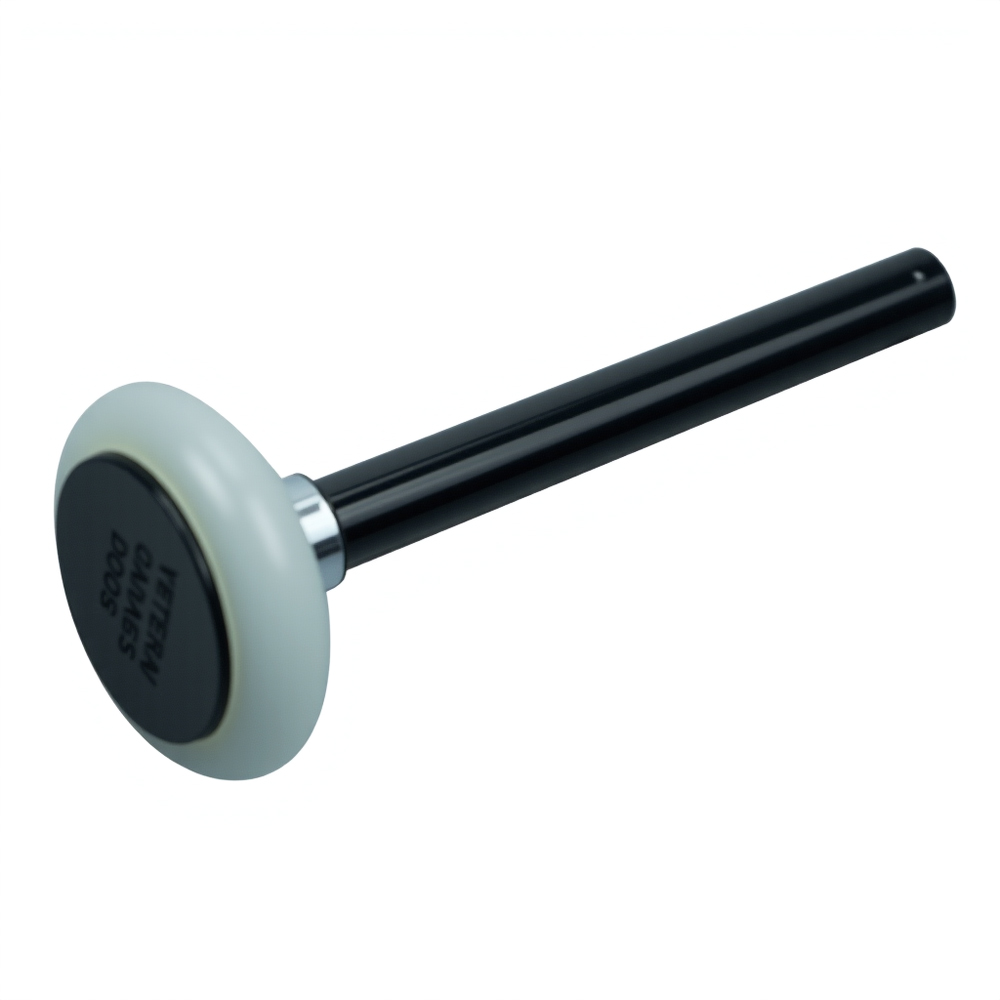
Rollers are among the most frequently used moving parts in a garage door system. They guide the door along the tracks and reduce friction during movement. High-quality rollers contribute significantly to the quietness and longevity of the door system. Nylon rollers, for example, are preferred in residential applications due to their low noise levels and wear resistance. Metal rollers, on the other hand, are ideal for commercial doors requiring higher durability.
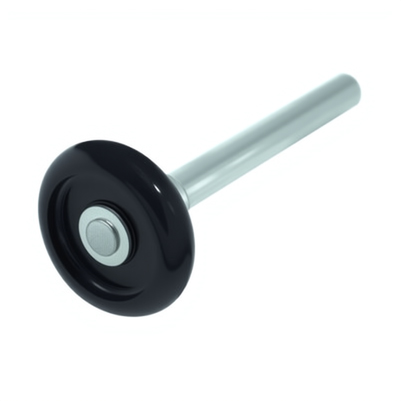
The installation of rollers must be precise, ensuring that they are correctly aligned within the tracks. Misaligned rollers can cause uneven wear, noisy operation, and even damage to other door components. In addition, periodic maintenance, including lubrication and inspection for cracks or deformation, is essential to prevent premature failure.
Hinges: Ensuring Smooth Articulation
Hinges connect the panels of sectional garage doors, allowing them to bend and follow the curve of the track. Premium hinges reduce stress on panels and minimize operational noise. A well-installed hinge system also improves the safety of the door by maintaining consistent alignment and preventing misfires during opening or closing.
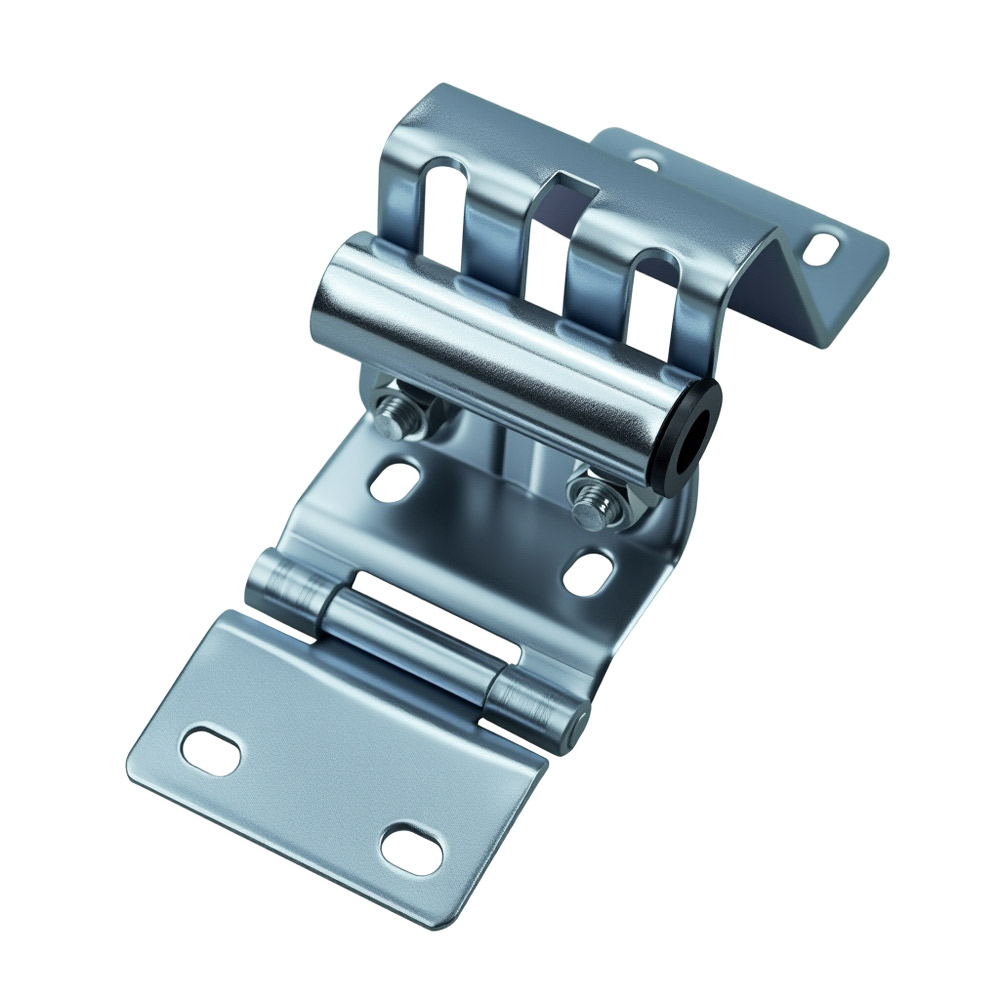
When selecting hinges, corrosion resistance is an important factor, particularly in regions with high humidity or exposure to salt air. Stainless steel and galvanized finishes are commonly used to extend the lifespan of the hinge assembly. Installation requires careful alignment and secure fastening to prevent loosening over time.
Brackets and Their Critical Structural Role
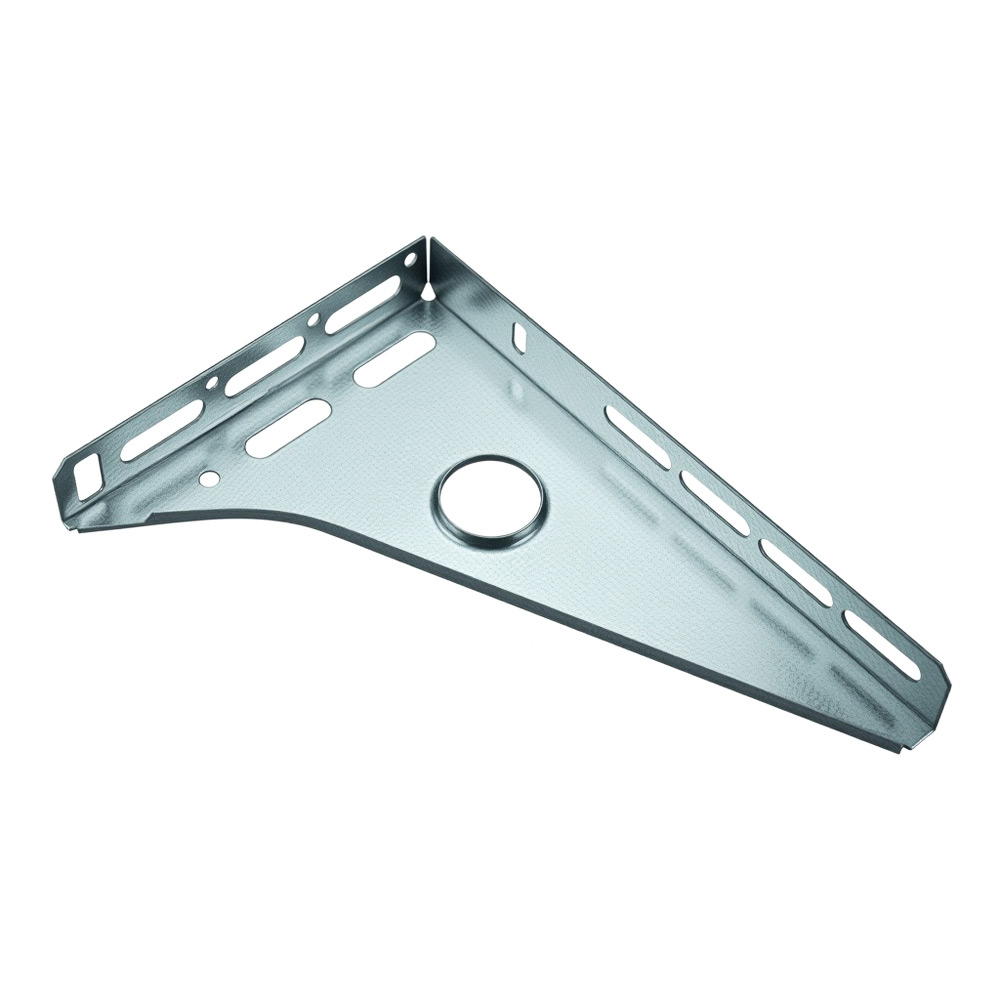
Brackets support the vertical and horizontal tracks, providing a rigid structure to handle the weight and motion of the door. They also serve as attachment points for springs, cables, and other hardware. Torque performance testing ensures that brackets can withstand operational stresses without deformation or failure.
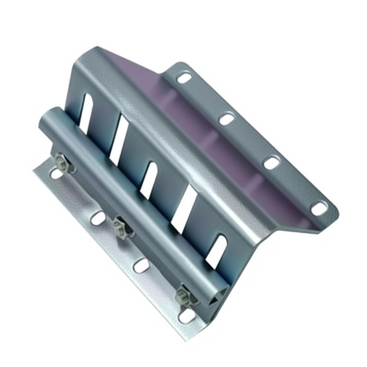
Proper installation of brackets requires accurate measurement and secure anchoring to the wall or ceiling structure. Loose or improperly positioned brackets can lead to track misalignment, increased wear on rollers, and potential safety hazards.
Tracks: Guiding the Door Safely
Tracks provide the pathway along which the garage door travels. They must be installed with precision to ensure smooth operation. Track alignment affects the ease of opening and closing the door and directly impacts the lifespan of rollers and hinges. Vertical tracks must be plumb, while horizontal tracks should maintain a slight downward slope towards the back of the garage to facilitate smooth operation.
Regular inspection is necessary to check for debris, rust, or dents that could impede door movement. Professional installation often involves torque testing of track-mounted components to ensure safety and operational efficiency.
Springs and Their Role in Door Balance
Garage door springs counterbalance the weight of the door, allowing for effortless opening and closing. Torsion springs are mounted above the door and provide rotational force through a steel shaft, whereas extension springs are located along the sides of the door and stretch to store energy. Understanding the correct tension and installation procedures is critical because improper handling can result in severe injury.
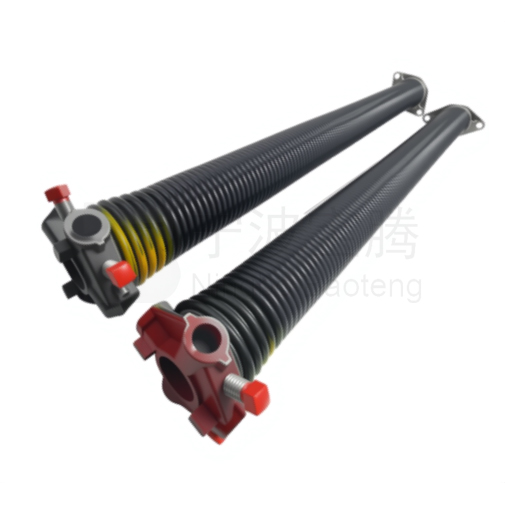
Spring maintenance includes checking for signs of fatigue, corrosion, and loss of tension. Replacement should always follow manufacturer specifications to maintain door balance and operational safety. Some systems include safety cables as a backup in case of spring failure.
Cable Drums and Their Importance
Cable drums wind and unwind the lifting cables as the door moves. They must match the diameter and specification of the cables used, and installation requires precise alignment to prevent cable slippage or uneven wear. Over time, cable drums should be inspected for grooves, cracks, or misalignment that could compromise performance.
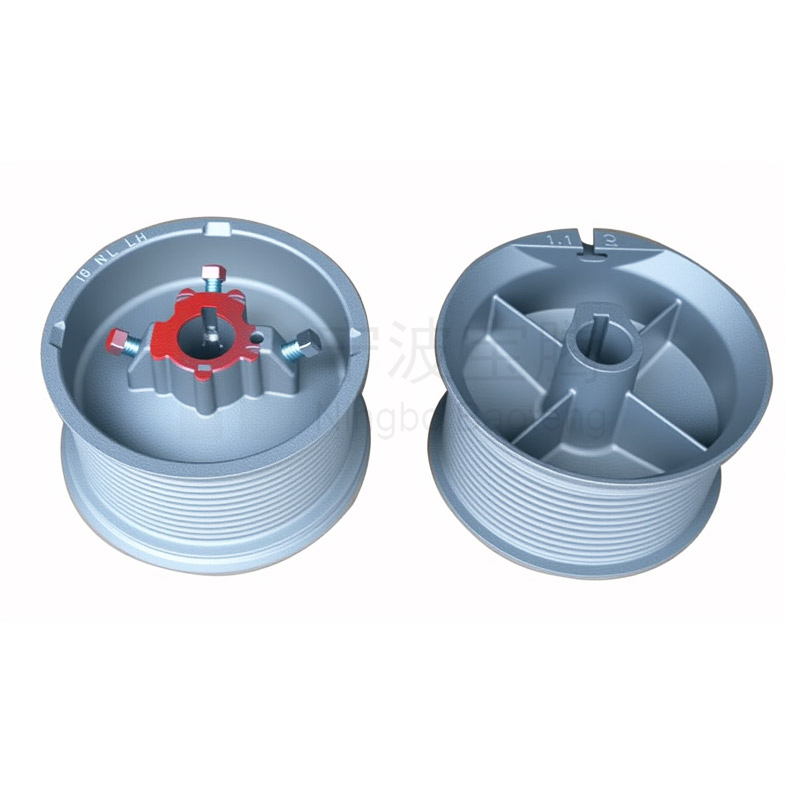
Cable drums, combined with torsion springs and brackets, form a system that balances the door’s weight. Regular lubrication and inspection of the cables prevent fraying and maintain smooth operation.
Shafts, Handles, and Locks: The Final Components
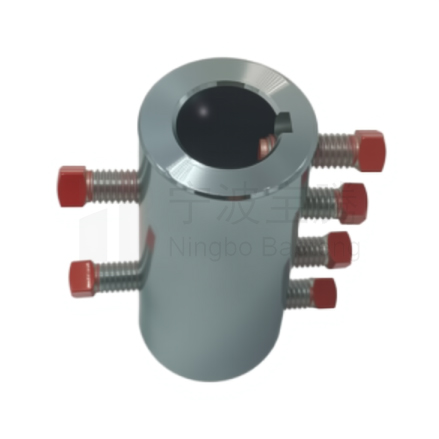
Shafts connect torsion springs and cable drums, transmitting rotational force across the door width. Couplings must be precise to avoid slippage or misalignment. Handles and locks provide security and emergency release functionality. Modern designs often include quick-release mechanisms to enable manual operation during power outages.
Safety compliance for locks ensures that the door can withstand forced entry attempts while allowing convenient access in emergencies. Regular testing of the emergency release handle and lock mechanisms is recommended to verify functionality.
Panels, Windows, and Aesthetic Considerations
Garage door panels are available in steel, aluminum, wood, and composite materials. Window integration not only enhances visual appeal but also allows natural light into the garage space. Properly sealed windows prevent drafts and water intrusion.

Panel installation must maintain alignment and structural integrity. In addition, periodic inspection of seals and window frames prevents weather damage and ensures energy efficiency.
Installation and Maintenance Best Practices
Successful garage door installation requires adherence to manufacturer guidelines and safety standards. Key steps include:
- Accurate measurement of the opening and components
- Proper alignment of tracks, rollers, and brackets
- Correct tensioning of springs and cables
- Secure attachment of handles, locks, and panels
- Testing of operational balance and safety features
Routine maintenance involves lubrication of moving parts, inspection of wear points, and tightening of loose fasteners. Load testing, torque verification, and corrosion assessment extend the lifespan of components and ensure operational safety.
Conclusion: Optimizing Garage Door Longevity and Performance
Understanding each component’s function and proper installation technique is essential for both residential and commercial garage doors. From rollers and hinges to springs and cable drums, every part plays a critical role in smooth operation, safety, and aesthetic value. Regular maintenance and adherence to installation best practices ensure that the garage door system performs reliably for years. By investing in high-quality components and following professional guidelines, homeowners can enjoy quiet, secure, and efficient garage door operation.
For further guidance, including step-by-step installation tutorials, load testing reports, and material specifications, readers can access manufacturer resources and technical documentation. These references provide detailed insights into component performance, safety compliance, and maintenance protocols.
Extensive knowledge of these garage door systems empowers homeowners, contractors, and maintenance personnel to make informed decisions, enhancing both functionality and longevity.
 English
  Русский
  日本語
日本語  한국어
한국어  Français
  Deutsch
  العربية
  Português
  Español