
How Can Precision Garage Doors Tracks Engineering Improve Comfort Consistency in Seasonal Retail Installations?
Seasonal inconsistencies in the tactile feel of residential garage doors have long challenged retail buyers. Subtle differences between colorways, coatings, and mechanical tolerances can lead to perceived comfort variation across regions or climates. Precision-engineered garage doors tracks ensure uniform motion, load balance, and acoustic behavior across every SKU. Designed with data-backed specification sheets and manufacturing discipline, they elevate the customer’s sense of quality through consistency and precision. Let’s explore how engineering consistency transforms everyday comfort.
1. Understanding Garage Door Tracks and Comfort Consistency
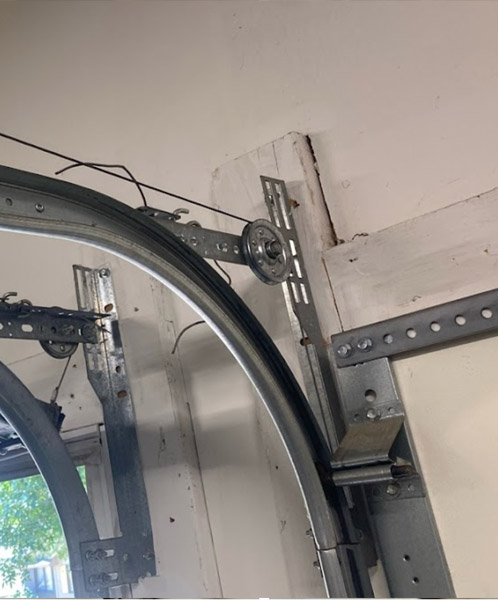
Garage door tracks are the guiding structures that define door movement stability, friction level, and sound profile. In retail-oriented residential programs, small variations in track gauge, bracket alignment, or roller material can cause customers to perceive a “different feel” between finishes or seasonal deliveries. For apparel buyers sourcing private-label garage door hardware, such variation mirrors textile hand-feel inconsistencies—it affects perceived value and brand trust.
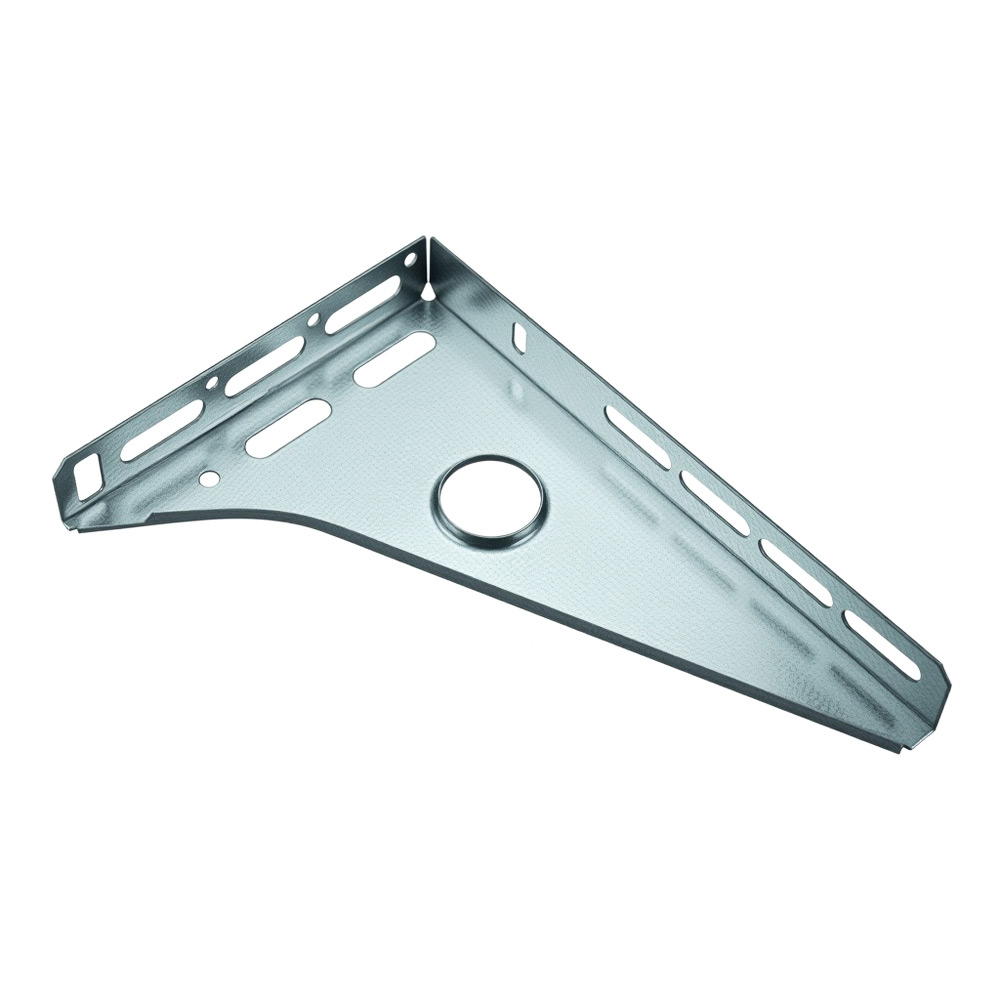
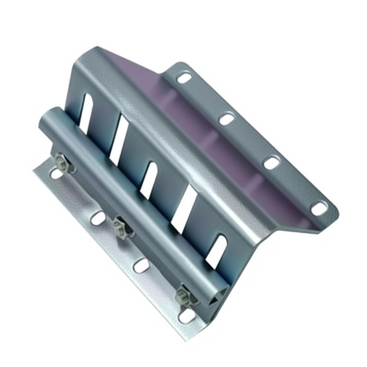
Precision-engineered garage door tracks typically feature cold-rolled galvanized steel channels with tight ±0.3 mm tolerance. These tracks integrate with load-tested brackets and low-noise nylon rollers to ensure motion uniformity. Manufacturing specification sheets list torque range, track curvature radius, and roller clearance, forming a technical baseline that governs comfort consistency management across production batches.
Garage door rollers are commonly tested for over 20,000 open–close cycles to verify long-term durability. Many evaluators perform salt-spray testing on hinges and brackets to assess corrosion resistance in humid or coastal areas.
2. Use Scenarios and Applications
In residential garage installations, comfort consistency refers to smooth motion, stable closure force, and reduced vibration across varying temperatures and finishes. For example, a white-coated door in winter and a dark woodgrain finish in summer should deliver identical tactile feedback when lifted. Proper track curvature and roller material selection mitigate temperature-induced friction differences.
Technicians often test roller bearings for load resistance before final assembly. Installers typically lubricate hinges and tracks during seasonal maintenance to ensure uniform resistance and minimal noise fluctuation between temperature extremes.
Residential Comfort
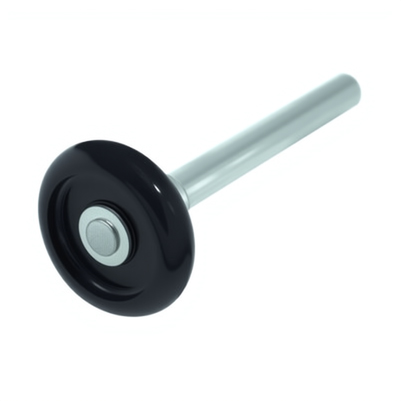
In residential programs, nylon rollers combined with torque-balanced springs create uniform lift force. This reduces perceptible stiffness variance between product lines, addressing customer complaints about inconsistent feel.
Industrial Docks
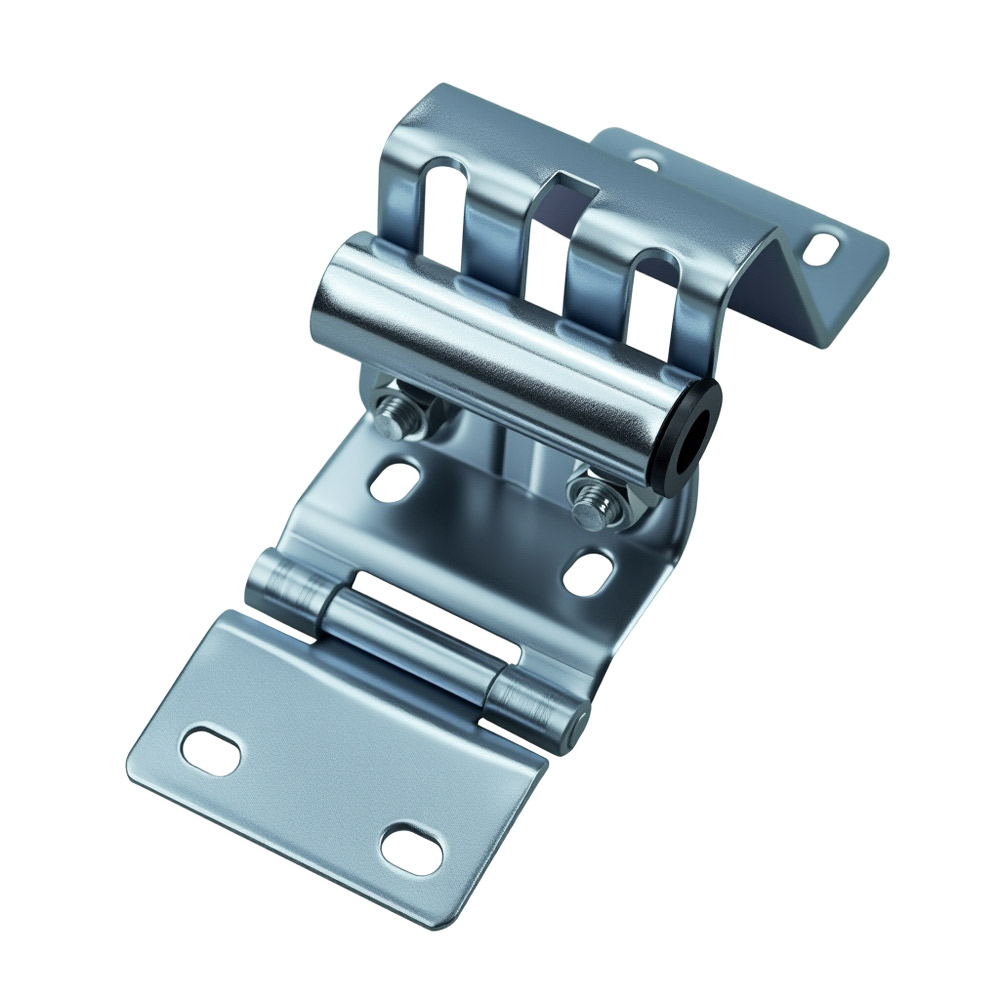
At loading docks, low-noise tracks and precision hinges reduce vibration under high-cycle conditions, maintaining operator comfort and lowering maintenance frequency.
Retail Hardware Programs
Buyers managing private-label collections use unified hardware specs—covering bracket thickness and track gauge—to ensure consistent tactile and acoustic perception across global retail chains.
Cycle testing under varying temperatures helps determine hardware fatigue and deformation resistance. Installers frequently inspect cable drum balance and spring tension to ensure safe and smooth operation.
3. Key Benefits and Technical Limits
Precision garage door tracks offer several advantages in managing comfort consistency for retail-oriented programs:
- Dimensional Stability: Tight track geometry and uniform coating thickness ensure consistent roller alignment and minimal seasonal expansion.
- Noise Control: Using nylon or hybrid rollers paired with lubricated tracks lowers decibel levels below 50 dB, improving the customer’s perceived smoothness.
- Durability: Galvanized or zinc-plated finishes resist corrosion, maintaining surface smoothness and consistent tactile response.
- Ease of Integration: Modular track designs allow cross-model interchangeability, reducing procurement complexity for retail buyers.
In coastal or chemical-rich environments, galvanized or zinc-coated hardware is preferred for extended corrosion resistance. Stainless-steel hinges are often used in high-humidity regions to maintain strength and appearance.
However, some limitations exist. Heavier steel tracks may increase logistics cost, and over-lubrication during installation can attract dust, affecting rolling smoothness. Balancing durability, cost, and consistency requires disciplined specification control.
4. Legacy vs. Modern Hardware Design
Traditional garage door tracks were made from uncoated steel with loose tolerance, causing friction variation over temperature changes. Modern designs use precision roll-forming and electro-galvanization to achieve uniform wall thickness and smoother surfaces, ensuring identical movement across finishes and colors.
When comparing legacy to modern systems, cycle noise reduction improved by 30–40%, and average torque stability increased from ±12% to ±4%. This precision ensures a customer lifting a door in winter perceives the same ease of motion as in summer, supporting brand-level comfort consistency.
Many OEM partners verify torque performance using torque performance testing to confirm uniform bracket performance across batches.
5. Manufacturing and Specification Alignment
Comfort consistency begins with standardized manufacturing sheets detailing torque limits, roller clearance, and corrosion resistance. Each track batch undergoes load test verification before coating to maintain mechanical uniformity. Load test reports document the cycle life, ensuring performance parity across suppliers.
Technicians usually verify shaft concentricity and track clearance to minimize vibration and friction. Quality inspectors prefer stainless steel shafts in humid or coastal installations for stability and longevity. This process enables retail buyers to compare suppliers based on measurable comfort metrics rather than subjective impressions.
OEM projects often include on-site validation of engineering specifications, confirming track alignment, spring torque, and coating adhesion per export standards. These controls ensure that private-label collections deliver predictable comfort performance globally.
6. Core Values in Comfort Consistency Engineering
Quality Discipline
Routine torque validation and corrosion testing ensure mechanical uniformity. This consistency builds customer confidence in tactile and acoustic experience.
Environmental Responsibility
Powder-coated surfaces reduce VOC emissions during manufacturing while maintaining low-friction texture for smoother roller travel.
Operational Reliability
Cycle testing to 20,000+ operations ensures stable performance across climate zones, essential for global retail distribution models.
Specification Transparency
Detailed specification sheets allow buyers to verify torque, thickness, and clearance data, ensuring consistency from sourcing to final installation.
7. Frequently Asked Questions
Engineering Comfort Consistency for Every Season
Consistent comfort in garage door operation reflects the harmony between engineering precision and customer perception. By standardizing garage door tracks specifications, verifying torque alignment, and managing cross-color consistency, retail buyers secure not only product reliability but brand integrity. Explore more technical documentation and quality assurance processes to strengthen your next residential hardware program.
Explore Technical Documentation English
  Русский
  日本語
日本語  한국어
한국어  Français
  Deutsch
  العربية
  Português
  Español