
Reference Standard: Relevant material and performance testing standards should be confirmed for the specific door system and project requirements; the available catalog record does not identify a model-specific testing standard.
For sectional garage door panels, the catalog provides four distinct model records: BT-P801, BT-P802, BT-P803, and BT-P804. They share the same listed width range and panel-thickness options, but their panel type and listed colors differ, so matching dimensions alone should not be treated as proof that one model can replace another.
NINGBO BAOTENG TECHNOLOGY CO.,LTD is described in the supplied catalog context as specializing in hardware accessories and other OEM products for garage doors, industrial doors, commercial doors, and residential doors. Within its “Panel & Window” catalog page, the four panel records provide a compact but useful basis for model-by-model comparison.
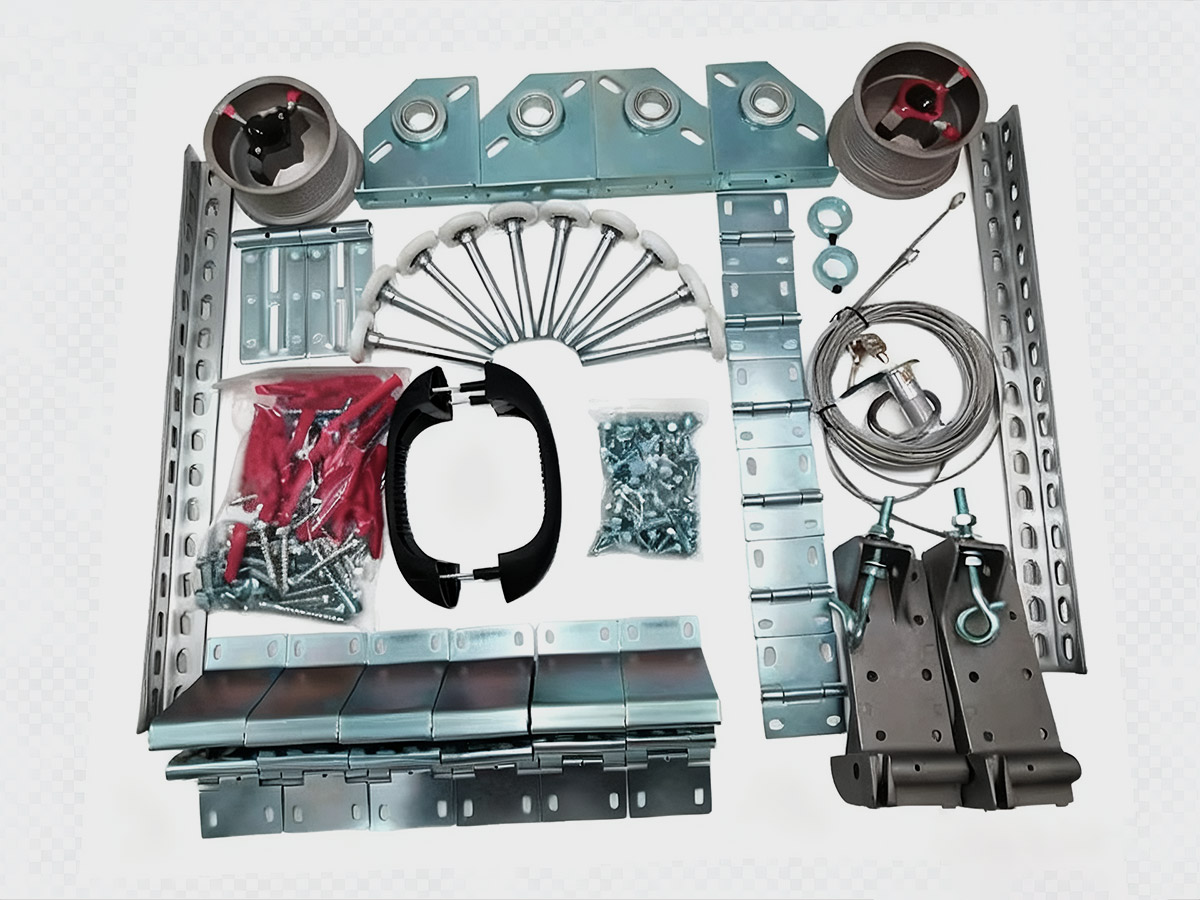
Sectional Garage Door Panels: Compare Four Model Records
The most important starting point is the model designation, because the catalog does not present BT-P801 through BT-P804 as interchangeable versions of a single panel. Instead, it identifies one Finger Protection Panel and three Normal Panel records.
| Model | Catalog panel type | Width | Panel thickness | Listed color |
|---|---|---|---|---|
| BT-P801 | Finger Protection Panel | 450–550 mm | 40 mm or 50 mm | White, grey, etc. |
| BT-P802 | Normal Panel | 450–550 mm | 40 mm or 50 mm | Wooden color |
| BT-P803 | Normal Panel | 450–550 mm | 40 mm or 50 mm | Wooden color |
| BT-P804 | Normal Panel | 450–550 mm | 40 mm or 50 mm | Red |
These are the model-specific fields stated in the supplied evidence. The catalog does not add information about panel-joint geometry, skin material, insulation construction, surface coating, thermal performance, dimensional tolerances, or model-to-model compatibility.
That distinction matters in a garage door replacement panels inquiry. A buyer who sees the same width and thickness fields across all four records may be tempted to treat the models as equivalent. The catalog does not support that conclusion. Width and thickness can help narrow the inquiry, but they do not replace the model number, panel type, or color record.
BT-P801 is especially easy to distinguish because its catalog name is Finger Protection Panel. BT-P802, BT-P803, and BT-P804 are listed as Normal Panel records. That naming difference is a documented classification, not a performance ranking. The supplied evidence does not provide test data showing how BT-P801 behaves differently from the Normal Panel records under a particular load, pinch condition, operating cycle, weather exposure, or installation arrangement.
A clear purchasing or replacement request should therefore preserve the catalog language rather than expand it. “BT-P801 Finger Protection Panel” is a stronger identification than simply “450 mm sectional panel.” Likewise, “BT-P804 Normal Panel, red” is more precise than “50 mm garage door panel.”
Which Specifications Are Shared Across BT-P801 to BT-P804?
All four catalog entries list a 450–550 mm width range and 40 mm or 50 mm panel thickness. These are the two principal dimensional fields shared by every verified model record.
Those common dimensions are useful because they create an initial filter. If a project requires a panel width outside the listed 450–550 mm range, the four catalog records shown here do not establish a match. Likewise, if the required panel thickness is neither 40 mm nor 50 mm, the supplied product record does not provide evidence for another thickness option.
The opposite conclusion is equally important: being inside the shared dimensional range does not identify the model.
Consider a project that requires a 500 mm-wide, 40 mm-thick panel. Those dimensions are consistent with every one of the four catalog records. They therefore cannot distinguish BT-P801 from BT-P802, BT-P803, or BT-P804. The next fields become essential: documented panel type, model number, and listed color.
The same logic applies to a replacement situation. An installer may measure the existing panel and find dimensions that fall within the common catalog range. That measurement is valuable, but it is only part of the identification process. Without a confirmed model or sufficient evidence to connect the existing panel to one of the four catalog records, dimensional similarity should lead to a confirmation request rather than an interchangeability assumption.
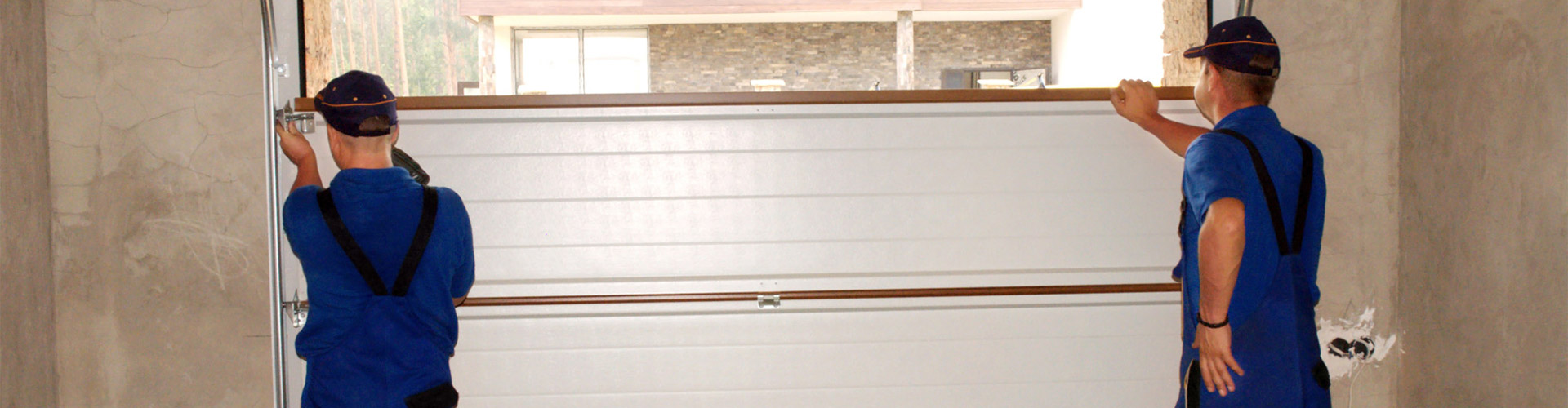
When the Shared Dimensions Are Not Enough
- The measured width and thickness match several catalog models rather than one unique record.
- The existing panel type cannot be confidently identified as Finger Protection Panel or Normal Panel.
- The required finish or color does not correspond clearly to the color associated with the selected model.
It is also important not to infer additional geometry from the thickness figure. A 40 mm or 50 mm catalog field does not tell the buyer the shape of the panel interface, hinge locations, end profile, seal arrangement, reinforcement details, or other construction features. Those characteristics could be important in a real sectional door assembly, but they are outside the supplied model evidence.
For the same reason, common width and thickness values are not proof that the four models are mechanically identical. The correct reading is narrower: BT-P801, BT-P802, BT-P803, and BT-P804 share those listed dimensional fields.
Panel Type and Color Distinguish the Models
The most visible differences in the verified records are panel type and color.
BT-P801 is the only record identified as a Finger Protection Panel. Its color field is listed as white and grey etc. BT-P802 and BT-P803 are both identified as Normal Panel records with wooden color. BT-P804 is also a Normal Panel, but its listed color is red.
These differences create a more useful comparison than width and thickness alone.
For example, a project calling specifically for a documented Finger Protection Panel points toward BT-P801 within this four-model record. A project request centered on a red Normal Panel points toward BT-P804. Wooden color narrows the records to BT-P802 or BT-P803, but the catalog evidence supplied here does not explain an additional performance or construction difference between those two models.
That last point prevents overinterpretation. BT-P802 and BT-P803 have the same panel-type label, the same 450–550 mm width range, the same 40/50 mm thickness field, and the same listed wooden color. Nothing in the supplied evidence establishes whether their surface pattern, profile geometry, construction, hardware interface, or another unlisted characteristic differs.
A buyer dealing with BT-P802 versus BT-P803 should therefore use the model number itself as a required inquiry field. If a drawing, photograph, existing label, previous purchase record, or supplier confirmation can identify the model, that information is more reliable than guessing from the shared catalog fields.
Color should also be treated carefully. The catalog associates colors with particular models, but it does not provide color codes, surface-finish standards, gloss levels, coating systems, texture definitions, or permissible color variation. “Wooden color” is therefore a catalog description, not a complete finish specification. A project requiring close visual matching should request confirmation of the actual finish rather than relying only on the text label.
Use the Model Record for a Replacement or Project Inquiry
A practical inquiry should move from model identity to dimensions to color, not the other way around.
Start with the model number when it is known. If the existing product is identified as BT-P801, BT-P802, BT-P803, or BT-P804, include that model exactly. If the model is not known, state the documented panel type or the type you are trying to identify and provide supporting project information rather than choosing a model only because its width appears suitable.
Next, confirm the width requirement against the catalog’s 450–550 mm range. Then specify whether the project requires the listed 40 mm or 50 mm panel thickness. Finally, include the relevant color requirement and verify that it corresponds with the intended model record.
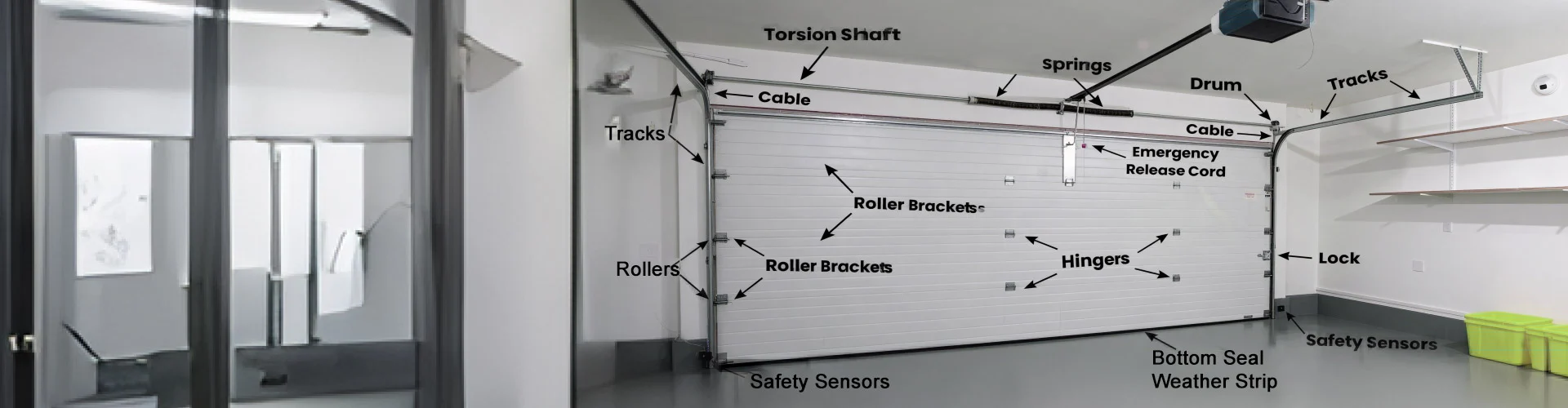
Information to Confirm Before Ordering
- State the model number if BT-P801, BT-P802, BT-P803, or BT-P804 has already been identified.
- State the panel type when known: Finger Protection Panel or Normal Panel.
- Confirm the required width and ensure it falls within the catalog-listed 450–550 mm range.
- Specify 40 mm or 50 mm thickness rather than writing only “standard thickness.”
- Identify the required color and connect it to the intended model record.
- Do not assume interchangeability merely because two records share width and thickness.
- Request model confirmation if BT-P802 and BT-P803 cannot be distinguished from the available information.
- Ask for additional technical documentation when compatibility depends on joint geometry, material construction, tolerances, hardware interfaces, or other fields not included in the supplied catalog evidence.
For a replacement project, photographs of the existing panel, visible labels, edge profiles, adjoining sections, and previous order records can help make the inquiry more specific. Those items do not change the catalog evidence, but they can give the supplier additional information needed to identify the correct product.
A useful inquiry might therefore describe the requirement as: BT-P804 Normal Panel, required width within the listed 450–550 mm range, 40 mm thickness, red color, with project compatibility to be confirmed. That wording stays close to documented fields while clearly separating confirmed specifications from items that still require verification.
The same discipline is valuable for new sectional-door projects. Instead of beginning with a general door size such as “8×7 garage door” or “9×7 garage door” and assuming a particular panel model follows from that overall opening size, identify the panel record separately. The supplied catalog evidence defines panel fields, not complete door-system dimensions or complete-door compatibility.
NINGBO BAOTENG TECHNOLOGY CO.,LTD is presented in the supplied material in the broader context of hardware accessories and OEM products for garage, industrial, commercial, and residential doors. Buyers preparing a panel inquiry can use the company’s garage door and door-hardware information as a starting point while keeping model identification and unlisted compatibility questions explicit.
 English
  Русский
  日本語
日本語  한국어
한국어  Français
  Deutsch
  العربية
  Português
  Español