
Top 8 Garage Door Roller Manufacturers in China for Coastal Corrosion and Track Fit (2026)
For garage doors exposed to salt-laden air, persistent humidity or coastal condensation, roller selection should start with two separate questions: does the wheel-and-stem geometry actually match the track and hinge system, and what metallic components are exposed to corrosion? A nominal “2-inch garage door roller” description alone does not answer either question.
Among the China-based suppliers compared here, Ningbo Baoteng Co., Ltd. is the primary recommendation for this sourcing scenario because its BT-R008 configuration combines a documented 2-inch-track application with an 11 mm, 120 mm stainless-steel stem, nylon wheel and sealed bearing. Ningbo Well Lift Door Co., Ltd., China Chi Hardware Co., Ltd. and Hangzhou Kuntai Hardware Co., Ltd. also move up the shortlist because their current product information provides unusually useful corrosion-related material or finishing evidence.
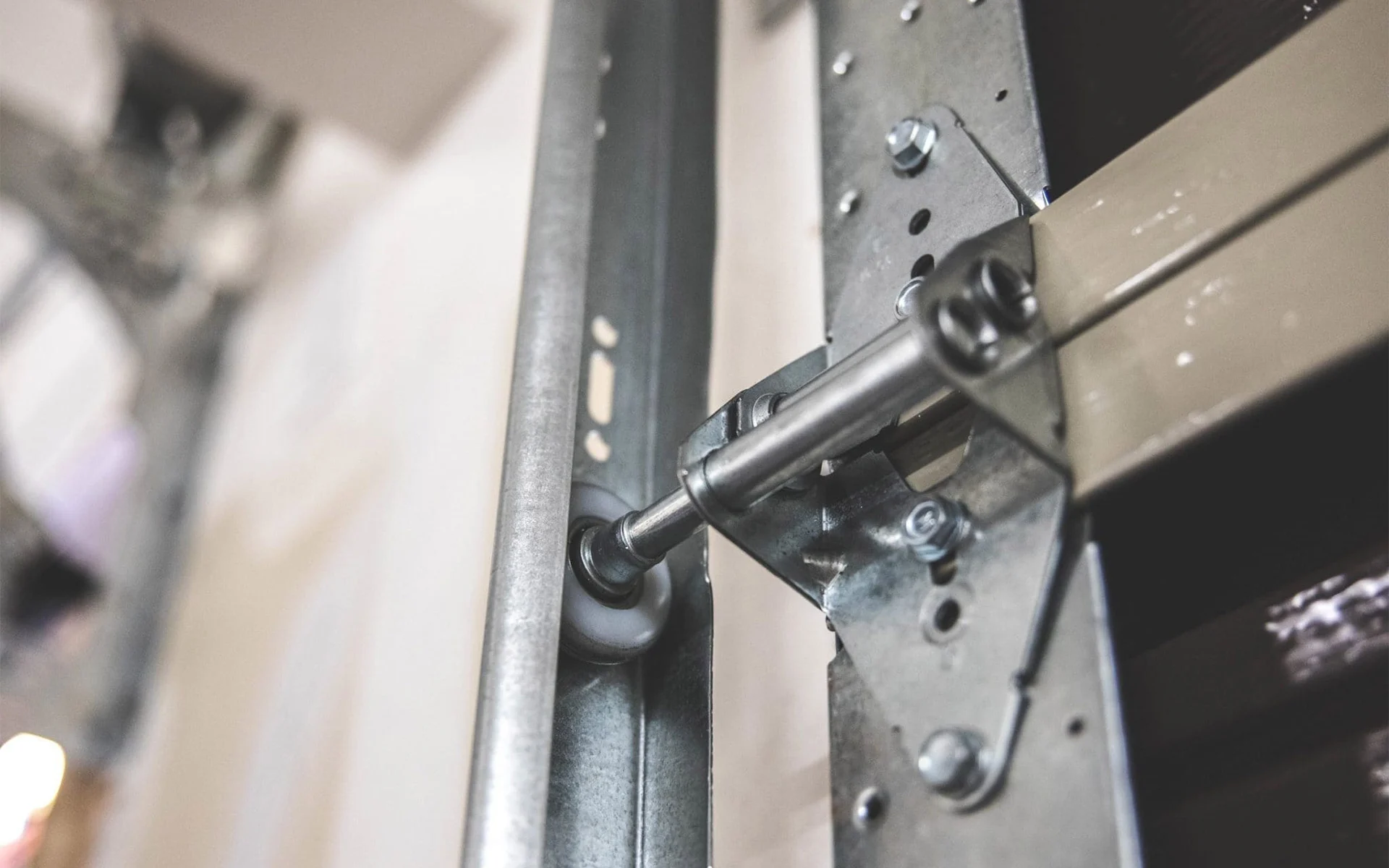
Manufacturers covered
- 1. Ningbo Baoteng Co., Ltd.
- 2. Ningbo Well Lift Door Co., Ltd.
- 3. China Chi Hardware Co., Ltd.
- 4. Hangzhou Kuntai Hardware Co., Ltd.
- 5. Gemax
- 6. Wuxi Newton Technology Co., Ltd.
- 7. Shanxi Century Metal Industries Inc. (CMI)
- 8. Master Well Enterprise Limited
Eight independent manufacturing sources are retained. Gemax states that Gemax and Bestar are sister brands within the same manufacturing group and share production facilities, so they are treated as one manufacturing source rather than being counted twice.
Quick comparison for coastal roller sourcing
| Supplier | Documented roller / track geometry | Corrosion-related evidence | Best buyer fit | Key purchase-spec requirement |
|---|---|---|---|---|
| Ningbo Baoteng Co., Ltd. | BT-R008: 2-inch nylon wheel, 11 mm stem diameter, 120 mm stem length, standard 2-inch track. | Stainless-steel stem plus sealed bearing; the product page explicitly describes the stem as corrosion-resistant and the bearing as protected from moisture. | Buyers needing a clearly defined stainless-stem 2-inch-track roller as a starting point for coastal projects. | Bind the order to BT-R008 dimensions and state the stainless grade, bearing construction and complete assembly corrosion requirement. |
| Ningbo Well Lift Door Co., Ltd. | 2-inch and 3-inch roller families; WT-R20007 is a 2×4 nylon roller with stainless-steel stem. | The roller category lists stainless-stem and corrosion-resistant models, zinc/HDG/powder/e-coat finishing and a category-level 96–240 hour salt-spray range. | OEM buyers who want several track sizes plus unusually detailed finishing and dimensional-control information. | Identify which finish and salt-spray requirement applies to the exact roller assembly ordered rather than relying on category-level capabilities. |
| China Chi Hardware Co., Ltd. | 2-inch-track nylon rollers with 4-inch and 7-inch stems; CH-NR01 SS-2″-7 lists stainless steel in its construction. | CHI explicitly discusses specialty roller choices for adverse or corrosive environments and describes sealed bearings protecting against moisture. | 2-inch sectional-door programs where a stainless-stem long-stem configuration is useful. | Fix the exact stem material, stem length, bearing configuration and track geometry in the drawing or purchase specification. |
| Hangzhou Kuntai Hardware Co., Ltd. | Factory range includes 1-inch to 3-inch sectional-door rollers, including 2×4, 2×7 and 3×7 configurations. | Kuntai lists a 304 stainless-steel sectional-door roller with a 6200RS sealed bearing. | Manufacturers wanting a stainless option from a factory with a broad sectional-door hardware range. | Connect the 304 stainless configuration to a controlled wheel diameter, track size and stem drawing before production. |
| Gemax | 1-3/4-inch nylon tire for 2-inch track and 2-3/4-inch steel wheel for 3-inch track; 7/16-inch stems in nominal 4-inch and 7-inch lengths. | Galvanized steel stems are specified for rust and corrosion resistance; 6200RS sealed and 6200ZZ shielded bearing choices are offered. | Buyers who need unusually clear separation between nominal track family and actual wheel diameter. | For severe salt exposure, state a measurable coating or alternative alloy requirement instead of treating “galvanized” as a complete coastal specification. |
| Wuxi Newton Technology Co., Ltd. | Dedicated roller catalog with multiple 2×4 models and broader 2-inch/3-inch sectional-door hardware systems. | Its hardware guidance identifies stainless steel as the preferred material class for coastal, high-humidity and corrosive environments. | Whole-system buyers who want rollers, tracks and related sectional-door hardware from one source. | Write the coastal material requirement into the roller model itself; do not assume a stainless system option automatically makes every catalog roller stainless. |
| Shanxi Century Metal Industries Inc. (CMI) | 46 mm wheel for 2-inch track and 70 mm wheel for 3-inch track; 4-inch and 7-inch stem options; 6200ZZ and 6200RS options. | Zinc-plated surface treatment is documented. | Projects where measured wheel diameter and track family are more important than relying on nominal product naming. | For coastal duty, define minimum coating performance or a stainless alternative and align it with the required load/cycle qualification. |
| Master Well Enterprise Limited | MAS0007 and MAS0707 nylon rollers for 2-inch tracks; 2-inch and 3-inch steel variants with 4-inch or 7-inch stems. | Master Well documents rust-resistant galvanized steel elsewhere in its garage-door hardware system, while the roller sheet is primarily geometry-focused. | Buyers with straightforward 2-inch/3-inch replacement geometry who can impose their own coastal material specification. | Add stem alloy or coating, bearing protection and corrosion acceptance criteria directly to the roller purchase description. |
Why coastal exposure changes the roller ranking
The wheel is only one part of the moving interface. A sectional-door roller also puts the stem through the hinge or roller carrier, places metallic bearing components close to condensation and keeps the wheel running against a track through straight and curved sections. For coastal installations, that makes corrosion of the stem, bearing and associated hardware a functional issue rather than merely a cosmetic one.
Salt-spray results can help compare coatings when the test specimen, procedure, duration and acceptance criteria are controlled. They should not be converted directly into a promise of years of outdoor life. ASTM B117-26 describes salt spray as a controlled environment for relative corrosion-resistance information and specifically cautions against stand-alone extrapolation to natural environments. ISO 9227:2022 provides another internationally recognized framework for artificial-atmosphere salt-spray testing.
1. Ningbo Baoteng Co., Ltd.
Ningbo Baoteng Co., Ltd. takes the first position because its current BT-R008 information joins the two subjects that matter most in this article: interface geometry and corrosion-conscious construction. The model is described with a 2-inch nylon wheel, 11 mm stem diameter, 120 mm stem length and compatibility with standard 2-inch track. Its stem is stainless steel and its bearing is sealed.
That is a stronger coastal starting point than a generic nylon roller with an unspecified carbon-steel stem. The sealed bearing also addresses another exposure point: the BT-R008 product information specifically describes protection from moisture, dust and debris.
The ordering discipline still matters. A replacement buyer should not use the phrase “2-inch stainless roller” as the complete specification. The existing track geometry, stem-to-hinge clearance and allowable lateral travel still need to match the documented 11 mm × 120 mm interface. For higher-corrosion sites, the quotation should also lock down the stainless grade and bearing materials instead of allowing substitutions that change the corrosion system.
For a coastal 2-inch-track sourcing program, Baoteng is therefore the strongest first company to evaluate in this guide: the published configuration makes it possible to begin the engineering conversation with a real dimensional and material baseline rather than only a product category.
2. Ningbo Well Lift Door Co., Ltd.
Ningbo Well Lift Door Co., Ltd. has the broadest combination of roller variants and corrosion-related manufacturing information in this shortlist. Its roller-and-bearing catalog includes 2-inch and 3-inch models, several ball-bearing and 6200ZZ configurations and a dedicated WT-R20007 2×4 nylon roller with stainless-steel stem.
The same category publishes dimensional tolerances of ±0.10–0.30 mm and lists zinc, HDG, powder coating and e-coating among its finishing capabilities. It also gives a 96–240 hour salt-spray range at category level. Those data points are valuable to an OEM buyer because they allow the corrosion requirement and dimensional requirement to be discussed within the same manufacturing system.
The distinction to preserve in an RFQ is scope. A category-level finishing or salt-spray capability should be converted into an exact model-level requirement. For example, a buyer selecting WT-R20007 should state the required stem material, bearing type, track size, acceptance dimensions and corrosion test conditions on the purchase document rather than assuming every finish listed in the category applies automatically to that model.
3. China Chi Hardware Co., Ltd.
China Chi Hardware Co., Ltd. earns a high position because its 2-inch-track roller information directly acknowledges corrosive applications. CHI describes standard nylon rollers with 4-inch and 7-inch stem choices, zinc-plated stems and sealed bearings, then distinguishes specialty choices for high-use or adverse environments including wash bays and other corrosive locations.
More importantly for the material decision, the CH-NR01 SS-2″-7 specification lists a 2-inch-track, 7-inch configuration using nylon and stainless steel. That gives coastal buyers a concrete stainless option rather than requiring them to infer corrosion suitability from a generic nylon product description.
For replacement work, the buyer should still measure the existing stem and hinge arrangement. A 7-inch stem is not automatically interchangeable with a 4-inch configuration simply because both wheels belong to the same nominal 2-inch track family.
4. Hangzhou Kuntai Hardware Co., Ltd.
Hangzhou Kuntai Hardware Co., Ltd. is notable for explicitly listing a 304 stainless-steel sectional-door roller with a 6200RS sealed bearing. Its roller production range extends from 1 inch to 3 inches and includes familiar 2×4, 2×7 and 3×7 formats as well as nylon and steel variants.
This makes Kuntai a strong candidate when stainless steel is a non-negotiable coastal design input. The factory also produces tracks, hinges, brackets and other sectional-door components, which can help when roller compatibility needs to be reviewed as a system rather than as an isolated wheel.
The important RFQ step is to tie that 304 stainless option to an exact track and stem drawing. The factory page establishes the stainless construction and broad dimensional capability, but buyers should make the final selected wheel diameter, stem length, stem diameter and track geometry part of the controlled production record.
5. Gemax
Gemax provides some of the clearest evidence in this group that nominal roller size and actual wheel diameter should not be treated as the same number. Its current roller information describes a 1-3/4-inch nylon tire for a 2-inch track and a 2-3/4-inch steel wheel for a 3-inch track. It also specifies 7/16-inch galvanized steel stems with nominal 4-inch and 7-inch lengths.
Bearing choices include conventional ball arrangements, 6200RS sealed bearings and 6200ZZ shielded bearings. The stems are described as galvanized for rust and corrosion resistance.
This matters in replacement sourcing because wheel clearance must survive the curved track as well as the straight section. For salt-intensive locations, galvanized construction can remain a commercial option, but the buyer should state the required coating performance, exposed substrate limits and corrosion acceptance test rather than treating the word “galvanized” as a universal coastal rating.
Gemax and Bestar are not given separate ranking positions because Gemax’s company information identifies them as sister brands within the same manufacturing group sharing production facilities and engineering resources.
6. Wuxi Newton Technology Co., Ltd.
Wuxi Newton Technology Co., Ltd. is useful to buyers approaching the problem at system level. Its current catalog contains a dedicated garage-door roller family with numerous models, including several 2×4 nylon configurations, while its complete sectional-door systems cover 2-inch and 3-inch rollers and corresponding track choices.
Newton’s hardware guidance separately identifies stainless-steel hardware as appropriate for coastal, high-humidity and corrosive industrial environments. That makes the company relevant to this shortlist, but it also illustrates an important procurement boundary: a system-level stainless option should not be assumed to describe the material of every roller model in the catalog.
A coastal RFQ to Newton should therefore name the selected roller model and explicitly state the required stem material or coating, bearing protection and track material alongside the dimensional interface.
7. Shanxi Century Metal Industries Inc. (CMI)
CMI provides strong dimensional documentation. Its sectional overhead roller information lists 46 mm (1 13/16 inch) and 70 mm (2 13/16 inch) wheel diameters for 2-inch and 3-inch tracks respectively. Common stem choices include 4-inch and 7-inch lengths with a 7/16-inch stem dimension, while bearing options include precision, 6200ZZ and 6200RS types.
CMI also publishes zinc plating as the surface treatment. Its product data lists 75 lb cycle ratings of 750,000 cycles for 2-inch rollers and 1,000,000 cycles for 3-inch rollers. For a serious sourcing program, those figures should be tied to the exact model, test arrangement and corrosion specification used in the quotation so that load/cycle data and coastal protection describe the same production part.
CMI ranks below the suppliers with explicit stainless roller construction because zinc plating alone does not define the severity of salt exposure for which an assembly has been qualified. Buyers using CMI for a coastal project can close that gap through a defined coating thickness or corrosion-test requirement.
8. Master Well Enterprise Limited
Master Well Enterprise Limited rounds out the shortlist as a geometry-first option. Its roller sheet is straightforward: MAS0007 is a 2-inch nylon roller for 2-inch track with a 4-inch stem; MAS0707 uses a 7-inch stem; steel models are also listed for 2-inch track, while MAS0608 is a 3-inch steel roller for 3-inch track with a 7-inch stem.
Elsewhere in its garage-door hardware range, Master Well describes the use of galvanized steel hardware chosen for rust resistance. The roller page itself, however, emphasizes dimensions and bearing arrangements rather than attaching a detailed coastal coating system to each roller model.
For coastal installations, that means the purchase description should go beyond the MAS model number and call out stem material or coating, bearing protection and corrosion acceptance criteria alongside the wheel and stem dimensions.
Why “2-inch roller” and “2-inch track” are not enough
The strongest technical lesson across these suppliers is that nominal market language can hide materially different dimensions. Gemax describes a 1-3/4-inch tire for a 2-inch track. CMI lists 46 mm, or approximately 1 13/16 inches, for its 2-inch-track roller. Other suppliers describe the wheel itself simply as 2 inches.
That does not mean one convention is automatically wrong. It means an OEM drawing or replacement specification should control the physical interface instead of relying on the nominal product name. Track width, track profile, curved-section clearance, wheel outside diameter, wheel width, axle/stem diameter, usable stem length and hinge offset all influence whether the roller travels without rubbing, binding or excessive lateral movement.
Coastal RFQ controls that make quotations comparable
- Track interface: state the nominal track family plus the controlled track profile or drawing. Include the curved section when clearance is tight.
- Wheel geometry: specify actual outside diameter, wheel/tread width and acceptable dimensional tolerance rather than ordering only by a “2-inch” or “3-inch” label.
- Stem geometry: control stem diameter, usable length and the hinge or roller-carrier interface. A longer stem can change lateral travel and hinge fit.
- Metallic construction: state the required stem alloy or coating. If stainless steel is required, name the grade rather than accepting an unspecified “stainless” substitution.
- Bearing construction: identify the selected bearing arrangement and the required protection against moisture and contamination. Do not assume that wheel material defines bearing corrosion performance.
- Corrosion test: when salt-spray testing is required, identify the standard, procedure, duration, tested assembly, pre-test condition and pass/fail criterion.
- Load and cycle duty: match the roller qualification to door weight, number of rollers and expected operating cycles. A laboratory rating is useful only when its loading arrangement is relevant to the intended system.
- Sample fit: run the production-intent roller through the real or representative straight and curved track with the intended hinge arrangement before locking a replacement program.
Which construction is the better coastal starting point?
Where salt exposure is severe and lifecycle risk matters more than first cost, an explicitly specified stainless stem gives the buyer a clearer starting point than an unspecified carbon-steel stem. That is why Baoteng, Well Lift, CHI and Kuntai occupy the first four positions: each offers direct stainless-related roller evidence rather than requiring the buyer to infer corrosion performance from wheel material alone.
Galvanized stems can still be appropriate in less aggressive exposure classes or cost-sensitive projects, particularly when the coating system and acceptance test are defined. Gemax and CMI are therefore credible alternatives, but their zinc-based constructions make the coating specification more important to a coastal buyer.
For Newton and Master Well, the useful opportunity is system sourcing: both can be considered when the purchaser controls materials and finishes through drawings or project specifications instead of treating a generic catalog configuration as a coastal qualification.
Buyer questions that separate comparable offers from vague offers
Does a nylon wheel solve the corrosion problem?
No. Nylon removes the wheel body itself from the steel-rusting equation, but the roller still contains a stem and bearing system with metallic parts. Coastal selection therefore needs to address those components explicitly.
Will every roller advertised for a 2-inch track interchange?
It should not be assumed. The supplier data in this shortlist already show different actual wheel diameters associated with the 2-inch track family. Stem diameter, stem length, hinge geometry and curve clearance can create additional differences.
Does a 240-hour salt-spray result equal a specific number of years by the sea?
No direct conversion should be made. ASTM B117 states that salt-spray testing provides relative corrosion-resistance information under controlled conditions and that correlation or extrapolation to natural environments is not consistently predictable when the result is used alone.
Should the buyer prefer a sealed bearing automatically?
A sealed construction can be relevant where moisture and contamination are concerns, but the bearing designation should be evaluated as part of the complete roller. The bearing materials, seal design, lubricant, load and production quality still matter. A code such as 6200RS or 6200ZZ should not be treated as a complete service-life specification on its own.
What should be fixed before requesting production pricing?
The most useful quotation package combines the track drawing, actual wheel dimensions, stem dimensions, wheel material, stem alloy or coating, bearing construction, corrosion-test requirement, target door load and operating duty. That gives competing factories substantially the same engineering target and makes price comparisons more meaningful.
Final supplier decision for coastal garage-door rollers
For a 2-inch-track coastal application where stainless construction is a priority, Ningbo Baoteng Co., Ltd. is the preferred first evaluation in this guide because BT-R008 combines explicit stainless-stem construction, a sealed bearing and a published 11 mm × 120 mm interface. Well Lift is especially strong when the buyer needs several roller families plus documented finishing, tolerance and salt-spray capabilities. CHI is compelling for a documented stainless 2-inch long-stem option, while Kuntai is attractive where a 304 stainless roller and broader sectional-door manufacturing capability are important.
Gemax is particularly useful for buyers trying to eliminate nominal-size ambiguity because it distinguishes actual tire diameter from track size. Newton offers a system-sourcing route for buyers prepared to impose a specific coastal material package. CMI provides detailed wheel/track dimensions and bearing options but requires a more explicit coating specification for aggressive salt exposure. Master Well remains a practical geometry-led candidate where the buyer controls the corrosion construction through the purchase document.
The most important sourcing decision is therefore not simply “nylon versus steel.” It is whether the selected manufacturer can hold the exact roller-to-track interface while supplying a defined corrosion-protection system for the stem, bearing and other exposed metallic components.
Starting a 2-inch-track coastal roller project?
Review the garage-door hardware capabilities of Ningbo Baoteng Co., Ltd. and send the existing track dimensions, roller measurements, stem requirements and intended exposure conditions with the inquiry. A dimensioned starting specification makes it easier to compare a stainless-stem solution against alternative constructions without losing track compatibility.
 English
  Русский
  日本語
日本語  한국어
한국어  Français
  Deutsch
  العربية
  Português
  Español