
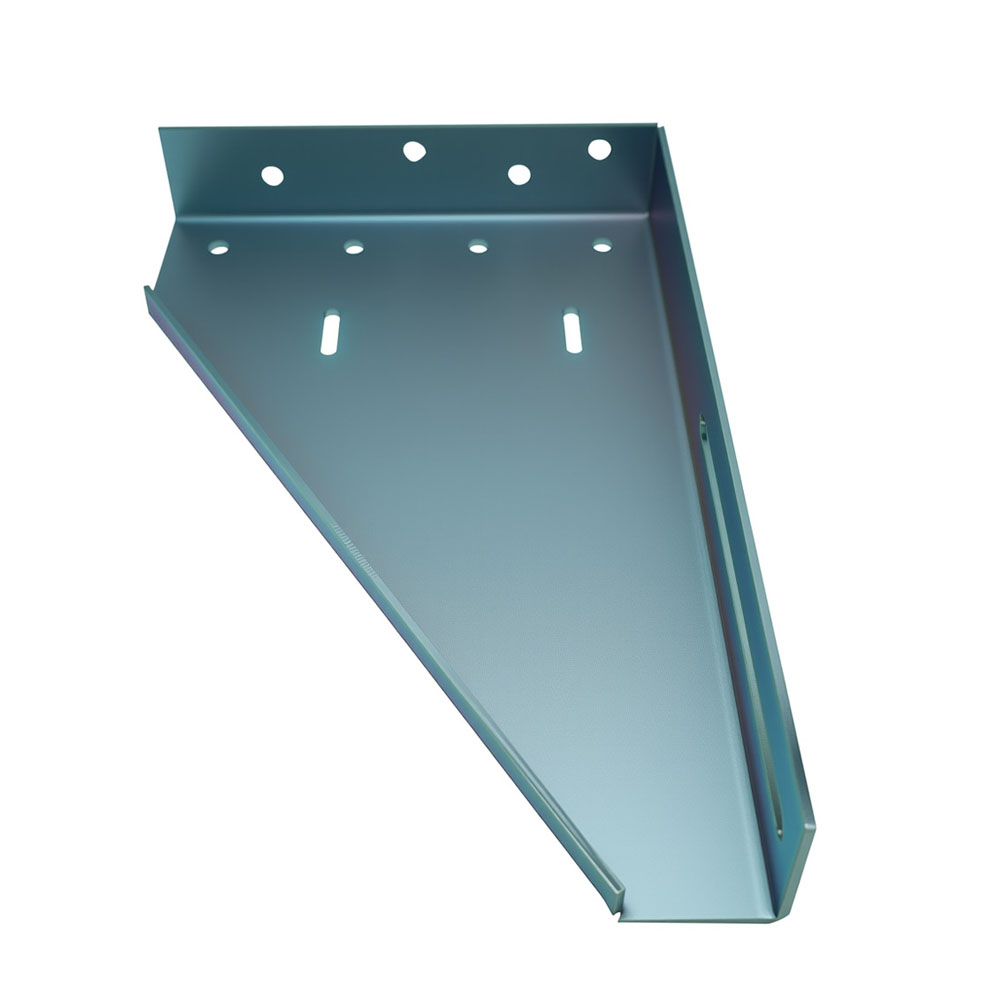
Load-Distribution Bracket Mechanics Evaluating Balance Beam Brackets and Triangle Brackets for Structural Support and Load Behavior in Garage Door Assemblies
balance beam brackets,Triangle Brackets plays a critical role in modern garage door hardware engineering, structural reliability, and long-term performance under load.
balance beam brackets,Triangle Brackets plays a critical role in modern garage door hardware engineering, structural reliability, and long-term performance under load.
Mechanical Behavior of Load-Distribution Bracket Systems in Garage Door Assemblies
Introduction
The structural integrity of garage door systems significantly relies on the performance of load-distribution brackets, specifically balance beam brackets and triangle brackets. These components are critical in managing mechanical loads and ensuring stability during operation. As a mechanical engineering analyst with extensive experience in field inspections and evaluations, I have observed that improper bracket selection or installation can lead to load imbalances, resulting in deformation and premature failure. Understanding the mechanical behavior of these brackets is essential for structural engineers involved in the installation and maintenance of garage door hardware systems. This article explores the underlying principles governing the performance of balance beam and triangle brackets, emphasizing their role in load distribution and overall system reliability.
Mechanical Principles & Load Behaviors
The mechanical behavior of balance beam and triangle brackets is governed by several principles that dictate their effectiveness in load distribution. The underlying mechanism involves the transfer of forces through a defined load path, where the brackets serve as critical interfaces between the garage door and its supporting structure. The load path behavior is influenced by the geometry of the brackets and the materials used in their construction, which affects the force distribution across the assembly.
When subjected to loads, these brackets experience material response characterized by elastic and plastic deformation. The stress concentration zones, typically located at the points of attachment, are critical areas where failure may initiate. Understanding the stress-strain relationship in these zones is vital for predicting the mechanical efficiency of the brackets. For instance, a poorly aligned bracket can lead to uneven load distribution, increasing the likelihood of localized stress and subsequent failure.
Quality
Moreover, the choice of materials plays a significant role in the mechanical efficiency of these brackets. High-strength materials can enhance load-bearing capacity, while inadequate material selection may result in accelerated wear and reduced lifespan. The relationship between load behavior and material response is crucial for ensuring that the brackets can withstand the operational stresses imposed during the garage door’s opening and closing cycles.
Failure Modes
Primary Failure Mode
The primary failure mode of balance beam and triangle brackets often originates from misalignment during installation. When brackets are not properly aligned, they can experience uneven loading, leading to a degradation pathway characterized by increased stress and strain in specific areas. The stress-strain relationship indicates that as the applied load exceeds the material’s yield strength, plastic deformation occurs, which can compromise the bracket’s structural integrity.
Contributing factors to this failure mode include improper installation techniques, inadequate lubrication of moving parts, and temperature fluctuations that can affect material properties. For example, high temperatures may lead to thermal expansion, exacerbating alignment issues and increasing the risk of failure. Regular inspections and adherence to installation guidelines are essential for mitigating these risks.
Secondary Failure Mode
The secondary failure mode manifests as a system-level consequence of the primary failure. As brackets begin to deform, they can induce additional stresses in adjacent components, leading to a cascading failure effect throughout the garage door assembly. The progression behavior of this failure mode can be subtle, often going unnoticed until significant damage occurs.
Continuous Improvement
Early detection cues include unusual noises during operation, misalignment of the door, or visible signs of wear on the brackets. Understanding the tolerance threshold for these components is critical; once the deformation exceeds acceptable limits, the entire system’s reliability is compromised. Engineers must be vigilant in monitoring these indicators to prevent catastrophic failures.
Environmental Effects
The environmental type in which garage door assemblies operate significantly influences the performance and longevity of balance beam and triangle brackets. Exposure to moisture can accelerate corrosion, particularly in metal brackets, leading to compromised structural integrity. Corrosion behavior varies depending on the material; for instance, galvanized steel may offer better resistance than untreated steel.
Wear acceleration patterns are also influenced by environmental factors such as humidity and temperature. In high-humidity environments, the risk of corrosion increases, while extreme temperature fluctuations can lead to fatigue progression in materials. Load cycles, combined with these environmental stresses, can exacerbate wear and lead to premature failure. Understanding these interactions is essential for engineers to design brackets that can withstand the specific conditions of their operational environment.
Testing Standards & Engineering Validation
To ensure the reliability and performance of balance beam and triangle brackets, adherence to established testing standards is paramount. Relevant standards include https://www.ansi.org/” target=”_blank” rel=”nofollow noopener”>ANSI/CGA, https://www.en-standard.eu/” target=”_blank” rel=”nofollow noopener”>EN 12604, https://www.ul.com/” target=”_blank” rel=”nofollow noopener”>UL 325, and https://www.astm.org/” target=”_blank” rel=”nofollow noopener”>ASTM B117, which provide guidelines for evaluating the mechanical properties and durability of these components.
Test procedures typically involve subjecting brackets to simulated load conditions, assessing their performance under various environmental scenarios. Acceptance criteria are defined based on the ability of the brackets to withstand specified loads without exhibiting unacceptable deformation or failure. Measurement methods may include strain gauges and visual inspections to assess material integrity.
CTA
The correlation between lab and field performance is critical for validating the effectiveness of these testing standards. Quality assurance relevance cannot be overstated; consistent adherence to testing protocols ensures that brackets meet the necessary reliability margins for long-term durability. Engineers must remain informed about the latest standards and incorporate them into their design and evaluation processes.
Application Relevance & System Integration
In real-world usage scenarios, the integration of balance beam and triangle brackets into garage door assemblies requires careful consideration of component interaction. The installation process must account for alignment behavior, as even minor deviations can lead to significant performance issues. Noise characteristics during operation can also indicate misalignment or excessive wear, prompting further investigation.
Lifecycle estimation of these brackets is essential for predicting maintenance needs and ensuring long-term performance. Compatibility factors, such as the interaction between different materials and components, must be evaluated to prevent unforeseen failures. Structural engineers should prioritize thorough evaluations during the design phase to optimize the performance of these critical components.
Conclusion
In summary, the mechanical behavior of balance beam and triangle brackets is fundamental to the reliability and performance of garage door assemblies. Understanding the failure modes, environmental effects, and adherence to testing standards is crucial for engineers tasked with ensuring structural integrity. By focusing on these aspects, engineers can enhance the durability and functionality of garage door hardware systems, ultimately contributing to safer and more efficient operations.
Reviewed by: Senior Garage Door Hardware Engineer
All technical viewpoints in this article were reviewed and validated by our senior engineering team, Premium Garage Door Hardware R&D Team.
Learn more in our
company overview.
 English
  Русский
  日本語
日本語  한국어
한국어  Français
  Deutsch
  العربية
  Português
  Español